Introductionمقدّمة
Huang Bai, scientifically known as Phellodendron amurense, is a deciduous tree native to eastern Asia, particularly China and Korea. It belongs to the Rutaceae family and is known for its potential medicinal properties. Huang Bai has a history of use in traditional Chinese medicine (TCM) and is recognized for its therapeutic effects. شجرة هوانغ باي، واسمها العلمي Phellodendron amurense، هي شجرة نفضية موطنها شرق آسيا، وخاصة الصين وكوريا. تنتمي إلى الفصيلة السذابية (Rutaceae) وتُعرف بخصائصها الطبية المحتملة. لشجرة هوانغ باي تاريخ طويل في الطب الصيني التقليدي، وهي معروفة بفوائدها العلاجية.
Categoryالفئة
• Potential antimicrobial
• Potential anti-inflammatory
• Traditional use for gastrointestinal health• مضاد محتمل للميكروبات
• مضاد محتمل للالتهابات
• الاستخدام التقليدي لصحة الجهاز الهضمي
Habitatالموطن
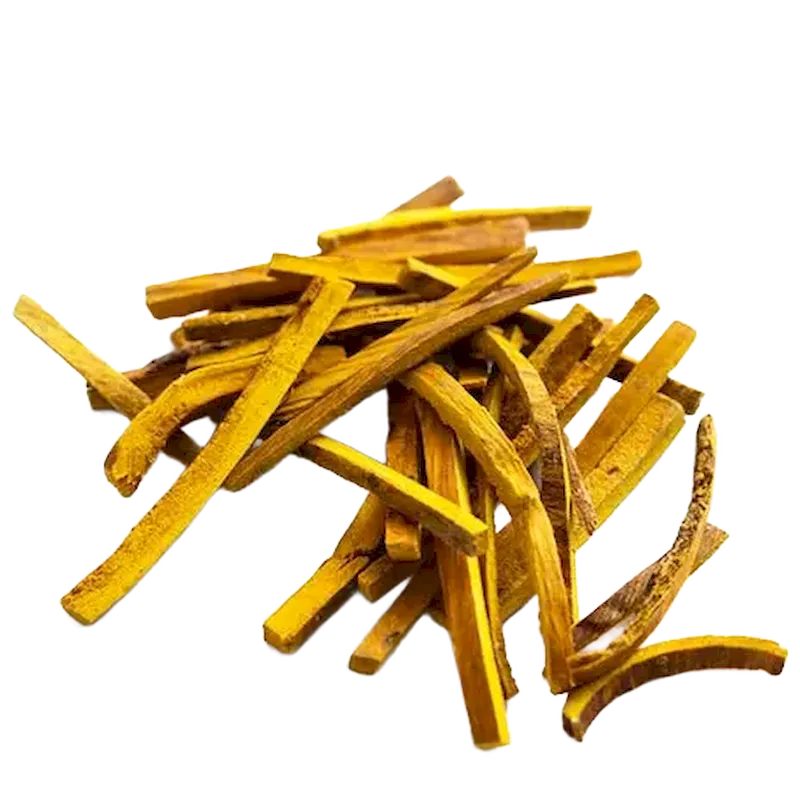
Huang Bai is typically found in temperate regions of China and Korea. It is cultivated for its bark, which is used in traditional herbal medicine. The bark is harvested for its key constituents and potential health benefits. Huang Bai is traditionally used in TCM for its properties.ينمو نبات هوانغ باي عادةً في المناطق المعتدلة من الصين وكوريا. ويُزرع من أجل لحائه، الذي يُستخدم في الطب العشبي التقليدي. يُحصد اللحاء لاستخلاص مكوناته الرئيسية وفوائده الصحية المحتملة. ويُستخدم هوانغ باي تقليديًا في الطب الصيني التقليدي لخصائصه.
Parts usedالأجزاء المستخدمة
• Bark • نباح
Key constituentsالمكوّنات الفعّالة
• Isoquinoline alkaloids (major markers): berberine, palmatine, jatrorrhizine, phellodendrine, magnoflorine
• Other alkaloids often reported: berberrubine, columbamine, thalifendine, oxyberberine, oxypalmatine
• Limonoids (tetracyclic triterpenoids): limonin (also called obaculactone), obacunone, 12α‑hydroxylimonin, kihadanin-type limonoids
• Phenolic acids: chlorogenic acid, neochlorogenic acid, ferulic acid (plus related caffeoylquinic acids)
• Flavonoids: quercetin, amurensin, phellamurin/phellatin-type flavonoids
• Phytosterols: β‑sitosterol, 7‑dehydrostigmasterol (and related sterols)
• Lignans and other glycosides: syringin, daucosterol (reported among bark constituents)• قلويدات إيزوكينولين (مؤشرات رئيسية): البربرين، البالماتين، الجاتروريزين، الفيلوديندرين، الماغنوفلورين
• قلويدات أخرى شائعة: البربروبين، الكولومبامين، الثاليفيندين، الأوكسيبربرين، الأوكسيبالماتين
• الليمونويدات (تريتربينويدات رباعية الحلقات): الليمونين (يُسمى أيضًا أوباكولاكتون)، الأوبكونون، 12α-هيدروكسي ليمونين، ليمونويدات من نوع كيهادانين
• الأحماض الفينولية: حمض الكلوروجينيك، حمض النيوكلوروجينيك، حمض الفيروليك (بالإضافة إلى أحماض الكافويل كينيك ذات الصلة)
• الفلافونويدات: الكيرسيتين، الأمورينسين، فلافونويدات من نوع فيلامورين/فيلاتين
• الفيتوستيرولات: بيتا-سيتوستيرول، 7-ديهيدروستيغماستيرول (وما يرتبط به) (الستيرولات)
• الليغنانات والجليكوسيدات الأخرى: السيرينجين، الدوكوستيرول (تم الإبلاغ عنها بين مكونات اللحاء)
Researchالأبحاث
Research on Huang Bai has focused on its key constituents, including berberine and phellodendrine, and its potential antimicrobial, anti-inflammatory, and gastrointestinal health benefits. It is traditionally used in TCM for these purposes and has been studied for its therapeutic effects. ركزت الأبحاث على نبات هوانغ باي على مكوناته الرئيسية، بما في ذلك البربرين والفيلوديندرين، وفوائده المحتملة كمضاد للميكروبات، ومضاد للالتهابات، ومفيد لصحة الجهاز الهضمي. ويُستخدم تقليديًا في الطب الصيني التقليدي لهذه الأغراض، وقد دُرست آثاره العلاجية.
Published researchأبحاث منشورة
↗ Tolerance of Phellodendron amurense bark extract (Nexrutine) in patients with human prostate cancer↗ Effect of a proprietary Magnolia and Phellodendron extract on weight management: a pilot, double-blind, placebo-controlled clinical trial↗ Effect of Phellodendron amurense in protecting human osteoarthritic cartilage and chondrocytesTraditional useالاستخدام التقليدي
Huang Bai is primarily used in traditional herbal medicine, especially in TCM. The bark of the Phellodendron amurense tree is employed for its potential health benefits. It can be prepared as herbal decoctions, tinctures, or used in traditional remedies. يُستخدم نبات هوانغ باي بشكل أساسي في الطب العشبي التقليدي، وخاصة في الطب الصيني التقليدي. ويُستخدم لحاء شجرة فيلوديندرون أمورنس لفوائده الصحية المحتملة. ويمكن تحضيره على شكل مغلي عشبي أو صبغة، أو استخدامه في العلاجات التقليدية.
Current useالاستخدام الحالي
The bark of the Phellodendron amurense tree is the primary part used for its potential medicinal properties. It can be processed to create herbal decoctions, tinctures, or used in traditional remedies for various health applications. يُعد لحاء شجرة الفيلوديندرون الأموري الجزء الأساسي المستخدم لخصائصه الطبية المحتملة. ويمكن معالجته لصنع مغليات عشبية، أو صبغات، أو استخدامه في العلاجات التقليدية لأغراض صحية متنوعة.
Preparationsالتحضيرات
Decoction, Tinctureخلاصة سائلة, مغلي
Used for these conditionsيُستخدم لهذه الحالات
Adult dosageجرعة البالغين
Dosage recommendations for Huang Bai may vary depending on the intended use and preparation form. It is typically used in appropriate quantities for specific health applications in TCM. Consult with a qualified TCM practitioner or healthcare provider for guidance on dosages and usage.قد تختلف توصيات جرعات هوانغ باي تبعًا للاستخدام المقصود وطريقة التحضير. ويُستخدم عادةً بكميات مناسبة لتطبيقات صحية محددة في الطب الصيني التقليدي. استشر طبيبًا متخصصًا في الطب الصيني التقليدي أو مقدم رعاية صحية للحصول على إرشادات حول الجرعات وطريقة الاستخدام.
Child dosageجرعة الأطفال
Dosage recommendations for Huang Bai may vary depending on the intended use and preparation form. It is typically used in appropriate quantities for specific health applications in TCM. Consult with a qualified TCM practitioner or healthcare provider for guidance on dosages and usage.قد تختلف توصيات جرعات هوانغ باي تبعًا للاستخدام المقصود وطريقة التحضير. ويُستخدم عادةً بكميات مناسبة لتطبيقات صحية محددة في الطب الصيني التقليدي. استشر طبيبًا متخصصًا في الطب الصيني التقليدي أو مقدم رعاية صحية للحصول على إرشادات حول الجرعات وطريقة الاستخدام.
Cautionتحذيرات
Contains berberine: do not give to neonates/infants and avoid in pregnancy — berberine displaces bilirubin and can cause kernicterus/neonatal jaundice. Berberine inhibits CYP3A4 and P-glycoprotein and can raise blood levels of many medicines (e.g., cyclosporine, midazolam); use with caution alongside prescription drugs.يحتوي على البربرين: لا يُعطى للرضّع وحديثي الولادة ويُتجنّب أثناء الحمل، لأن البربرين يزيح البيليروبين وقد يسبب اليرقان النووي/يرقان حديثي الولادة. كما يثبّط البربرين إنزيم CYP3A4 والبروتين السكري P وقد يرفع مستويات كثير من الأدوية (مثل السيكلوسبورين والميدازولام) في الدم؛ يُستخدم بحذر مع الأدوية الموصوفة.
Pregnancy & nursingالحمل والرضاعة
Avoid during Pregnancy/Nursingيمنع أثناء الحمل والرضاعة