Introductionمقدّمة
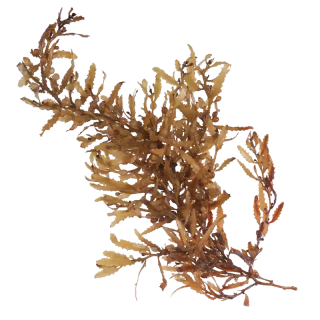
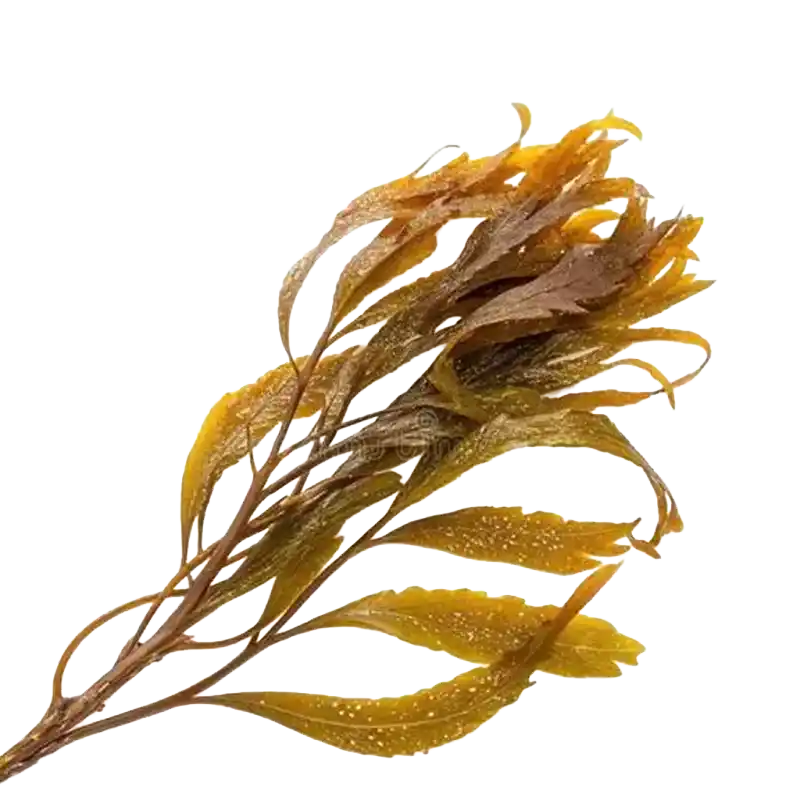
Ecklonia kurome ('kurome') is an edible brown seaweed/kelp of East Asian waters, eaten like kombu and used in traditional medicine (as 'kun bu'-type kelp) to 'soften hardness and dissolve phlegm nodules' — for goitre and thyroid swelling, scrofula and lumps — and as a nutritious, mineral- and iodine-rich food. It is a rich source of phlorotannins (eckol, dieckol) with documented antioxidant, anti-inflammatory, antithrombotic and other activity. ⚠️ Its high iodine warrants thyroid caution.عشب البحر كوروم (Ecklonia kurome) عشبُ بحرٍ بنّي صالح للأكل في مياه شرق آسيا، يُؤكَل كالكومبو ويُستعمل في الطبّ التقليدي (كعشب «كون بو») «لتليين الصلابة وإذابة عُقَد البلغم» — للدُّراق وتضخّم الغدّة الدرقية والخنازير والكتل — وغذاءً مغذّياً غنياً بالمعادن واليود. وهو مصدرٌ غنيّ بالفلوروتانينات (إيكول، دايكول) بنشاطٍ موثّق مضاد للأكسدة والالتهاب والتخثّر وغيره. ⚠️ ويودُه العالي يستدعي حذراً درقياً.
Categoryالفئة
• Edible brown seaweed (Lessoniaceae)
• Kelp/'kombu'-type — iodine & phlorotannin seaweed
• Antioxidant, anti-inflammatory & antithrombotic (studied)
• Rich in iodine, fibre & phlorotannins (eckol)
• Traditional goitre, phlegm-nodule & nutritive seaweed
• ⚠️ High iodine — thyroid caution• عشب بحر بنّي صالح للأكل (فصيلة اللسونية)
• نوع عشب/«كومبو» — عشب بحر يودي وفلوروتانيني
• مضاد للأكسدة والالتهاب والتخثّر (مدروس)
• غنيّ باليود والألياف والفلوروتانينات (إيكول)
• عشب بحر تقليدي للدُّراق وعُقَد البلغم ومغذٍّ
• ⚠️ عالي اليود — حذر الغدّة الدرقية
Habitatالموطن
A large brown seaweed of rocky coasts and subtidal zones in Japan, Korea and China, harvested for food and medicine.عشبُ بحرٍ بنّي كبير على السواحل الصخرية والمناطق تحت المدّية في اليابان وكوريا والصين، يُحصَد غذاءً ودواءً.
Parts usedالأجزاء المستخدمة
• Whole thallus (frond)• الثالوس كاملاً (النصل)
Key constituentsالمكوّنات الفعّالة
• Iodine & minerals
• Phlorotannins (eckol, dieckol)
• Alginate & fucoidan (fibre)
• Fucoxanthin (carotenoid)
• Antioxidant compounds• يود ومعادن
• فلوروتانينات (إيكول، دايكول)
• ألجينات وفوكويدان (ألياف)
• فوكوزانثين (كاروتينويد)
• مركّبات مضادة للأكسدة
Researchالأبحاث
Ecklonia kurome is documented as a rich source of phlorotannins (eckol, dieckol) with strong antioxidant, anti-inflammatory, antithrombotic/anticoagulant and other bioactivities, and it is a nutritious, iodine- and fibre-rich edible seaweed. This supports both its food value and its traditional 'phlegm-softening'/anti-goitre use; evidence is chiefly on its phlorotannins and nutrition.عشب البحر كوروم موثّقٌ مصدراً غنياً بالفلوروتانينات (إيكول، دايكول) بنشاطٍ قويّ مضاد للأكسدة والالتهاب والتخثّر/التجلّط وأنشطةٍ أخرى، وهو عشبُ بحرٍ صالح للأكل مغذٍّ غنيّ باليود والألياف. وهذا يدعم قيمته غذاءً واستعماله «المليّن للبلغم»/المضاد للدُّراق التقليدي؛ والأدلة أساساً على فلوروتانيناته وتغذيته.
Published researchأبحاث منشورة
Traditional useالاستخدام التقليدي
Eaten as a kombu-type sea vegetable (in broths, soups and salads) and used in Chinese medicine (as 'kun bu'/kelp) to 'soften hardness and resolve phlegm' — for goitre and thyroid enlargement, scrofula, swellings and hard nodules — and as a mineral- and iodine-rich nutritive food that also helps oedema and phlegm; a nourishing seaweed and 'lump-dissolving' remedy.يُؤكَل خضارَ بحرٍ من نوع الكومبو (في المرق والحساء والسلطات) ويُستعمل في الطبّ الصيني (كعشب «كون بو») «لتليين الصلابة وإذابة البلغم» — للدُّراق وتضخّم الغدّة الدرقية والخنازير والأورام والعُقَد الصلبة — وغذاءً مغذّياً غنياً بالمعادن واليود يعين أيضاً على الوذمة والبلغم؛ عشب بحرٍ مُغذٍّ وعلاج «مذيب للكتل».
Current useالاستخدام الحالي
A nutritious edible kelp and a phlorotannin-rich antioxidant seaweed with researched anti-inflammatory and antithrombotic activity; traditionally used for goitre and 'phlegm nodules'.عشب بحرٍ صالح للأكل مغذٍّ وعشب بحرٍ مضاد للأكسدة غنيّ بالفلوروتانين بنشاطٍ مضاد للالتهاب والتخثّر مدروس؛ يُستعمل تقليدياً للدُّراق و«عُقَد البلغم».
Preparationsالتحضيرات
• Sea vegetable (broth/soup/salad)
• Medicinal decoction (kun bu)
• Phlorotannin extract (research)• خضار بحر (مرق/حساء/سلطة)
• مغلي طبّي (كون بو)
• مستخلص فلوروتانين (بحثي)
Used for these conditionsيُستخدم لهذه الحالات
Adult dosageجرعة البالغين
Eaten as a sea vegetable in normal culinary amounts; medicinal decoction per traditional Chinese practice.يُؤكَل خضارَ بحرٍ بكميات الطهي العادية؛ ومغلي طبّي بحسب الممارسة الصينية التقليدية.
Child dosageجرعة الأطفال
Moderate culinary amounts are fine; avoid large iodine-rich medicinal amounts.الكميات الطهوية المعتدلة مقبولة؛ وتُتجنّب الكميات العلاجية الكبيرة الغنية باليود.
Cautionتحذيرات
⚠️ Kelp is very high in iodine — regular large amounts can disturb thyroid function (causing either over- or under-active thyroid), so use in moderate food amounts and be cautious if you have a thyroid condition or take thyroid medication. Its phlorotannins/fucoidan can have mild blood-thinning effects — use large medicinal amounts cautiously with anticoagulants. Seaweed can also accumulate heavy metals; buy from reputable sources.⚠️ عشب البحر عالي اليود جداً — والكميات الكبيرة المنتظمة قد تُخِلّ بوظيفة الغدّة الدرقية (فرطاً أو قصوراً)، فيُستعمل بكميات طعامٍ معتدلة ويُحذَر عند وجود حالة درقية أو تناول أدويتها. وفلوروتانيناته/فوكويدانه قد يكون لها أثرٌ خفيف مميّع للدم — فتُستعمل الكميات العلاجية الكبيرة بحذر مع مضادات التخثّر. وقد يراكم عشب البحر المعادن الثقيلة؛ فيُشترى من مصادر موثوقة.
Pregnancy & nursingالحمل والرضاعة
⚠️ Moderate culinary amounts provide useful iodine, but avoid large/regular medicinal amounts in pregnancy — excess iodine can affect the mother's and baby's thyroid.⚠️ الكميات الطهوية المعتدلة تمنح يوداً مفيداً، لكن تُتجنّب الكميات العلاجية الكبيرة/المنتظمة في الحمل — ففائض اليود قد يؤثّر في غدّة الأمّ والطفل الدرقية.