
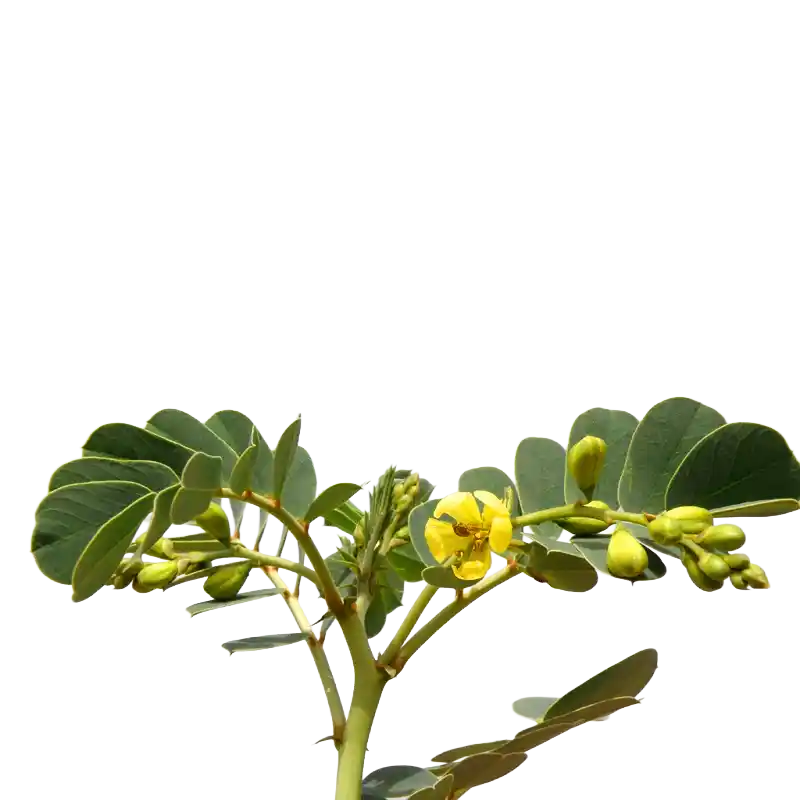
Introductionمقدّمة
Senna italica (Cassia italica, a wild African/Arabian senna) is a stimulant laxative senna closely related to the official Alexandrian senna. Its leaves and pods contain sennosides (anthraquinone glycosides) that relieve short-term constipation, and it is also used traditionally for skin problems, wounds and fever. Senna ('sanā') is a plant of Prophetic medicine.السنا الإيطالي (Senna italica، ويُعرَف Cassia italica، سنا برّي إفريقي/عربي) سنا مليّنٌ مُنبّه قريبٌ جداً من السنا الإسكندري الرسمي. وتحوي أوراقه وقرونه سينوزيدات (غليكوزيدات أنثراكينونية) تخفّف الإمساك القصير، ويُستعمل تقليدياً أيضاً لمشكلات الجلد والجروح والحمّى. والسنا نبتةٌ من الطبّ النبوي.
Categoryالفئة
• Stimulant laxative senna (sennosides)
• Constipation relief (short-term)
• Antimicrobial & antioxidant (leaf)
• Skin & wound remedy (traditional)
• Prophetic-medicine senna (heritage)• سنا مليّن مُنبّه (سينوزيدات)
• تخفيف الإمساك (قصير الأمد)
• مضاد للميكروبات والأكسدة (الورق)
• علاجٌ للجلد والجروح (تقليدي)
• سنا الطبّ النبوي (تراث)
Habitatالموطن
A low spreading legume of dry sandy soils across Africa, Arabia and into South Asia, including the Sahara fringe.بقلٌ بقولي منخفض منتشر في الترب الرملية الجافة عبر إفريقيا والجزيرة وحتى جنوب آسيا، وفيها حافة الصحراء الكبرى.
Parts usedالأجزاء المستخدمة
• Leaves
• Pods• الأوراق
• القرون
Key constituentsالمكوّنات الفعّالة
• Sennosides (anthraquinone glycosides)
• Anthraquinones (aloe-emodin, rhein)
• Flavonoids
• Tannins
• Mucilage• سينوزيدات (غليكوزيدات أنثراكينونية)
• أنثراكينونات (ألوإيمودين، راين)
• فلافونويدات
• تانينات
• مواد هلامية
Researchالأبحاث
Senna italica is confirmed as a sennoside-containing stimulant laxative, and a review of its phytochemistry, ethnobotany and pharmacology documents laxative, antimicrobial, antioxidant and anti-inflammatory activity. Its laxative mechanism (sennosides stimulating the colon) is the same, well-established one behind official senna, which is a recognised over-the-counter constipation remedy. Long-term/high-dose use is discouraged.السنا الإيطالي مؤكَّدٌ مليّناً مُنبّهاً حاوياً للسينوزيدات، وتوثّق مراجعةٌ لكيميائه النباتية وإثنوبوتانيّته ودوائيّته نشاطاً مليّناً ومضاداً للميكروبات والأكسدة والالتهاب. وآليّته المليّنة (تنبيه السينوزيدات للقولون) هي نفسها الآلية الثابتة وراء السنا الرسمي، وهو علاجٌ معترَف به للإمساك يُصرَف دون وصفة. ويُثبَّط الاستعمال الطويل/العالي الجرعة.
Published researchأبحاث منشورة
Traditional useالاستخدام التقليدي
Used across Africa and Arabia as a purgative for constipation and to 'cleanse' the system, for fevers and as a blood purifier, for skin diseases, ringworm and wounds (leaf paste), and for rheumatic and abdominal complaints.يُستعمل عبر إفريقيا والجزيرة مُسهِلاً للإمساك و«لتنقية» الجسم، وللحمّيات ومنقّياً للدم، ولأمراض الجلد والقوباء والجروح (عجينة الورق)، وللشكاوى الروماتزمية والبطنية.
Current useالاستخدام الحالي
Used as a herbal laxative for occasional constipation; leaf used topically for skin problems; a common regional senna.يُستعمل مليّناً عشبياً للإمساك العَرَضي؛ ويُستعمل الورق موضعياً لمشكلات الجلد؛ سنا إقليمي شائع.
Preparationsالتحضيرات
• Leaf/pod infusion (cold or warm)
• Powdered leaf (measured)
• Topical leaf paste (skin)
• Standardised sennoside product• نقيع الورق/القرون (بارد أو دافئ)
• مسحوق الورق (بمقدار)
• عجينة ورق موضعية (للجلد)
• منتج سينوزيد مقنّن
Used for these conditionsيُستخدم لهذه الحالات
☾ Prophetic reference☾ إشارة نبوية
Senna ('sanā', السَّنا) is an authentic plant of Prophetic medicine: it is reported that the Prophet ﷺ said, 'In the sanā and the sanūt there is a cure for every disease except death' (narrated by Ibn Mājah and others). The senna of the ḥadīth is the laxative senna group (Senna/Cassia), of which Senna italica is a widely-used member alongside the official Alexandrian senna. It should be used as a gentle short-term laxative as classical physicians advised, not in excess.السَّنا نبتةٌ ثابتة في الطبّ النبوي: فقد وردَ أنّه ﷺ قال: «في السَّنا والسَّنُوت شفاءٌ من كلّ داءٍ إلا السّام (الموت)» (رواه ابن ماجه وغيره). وسنا الحديث هو مجموعة السنا المليّن (Senna/Cassia)، ومنها السنا الإيطالي عضوٌ واسع الاستعمال إلى جانب السنا الإسكندري الرسمي. ويُستعمل مليّناً لطيفاً قصير الأمد كما أوصى الأطبّاء القدامى، لا إفراطاً.
Adult dosageجرعة البالغين
Leaf/pod infusion in small amounts at night for short-term constipation (lowest effective dose); not more than a few days in a row.نقيع الورق/القرون بكميات صغيرة ليلاً للإمساك القصير (أقلّ جرعة فعّالة)؛ لا أكثر من أيامٍ قليلة متتالية.
Child dosageجرعة الأطفال
Not recommended for young children; use only under medical guidance and gentler laxatives are preferred.لا يُنصَح لصغار الأطفال؛ ويُستعمل بإرشادٍ طبي فقط، والمليّنات الألطف أفضل.
Cautionتحذيرات
For short-term use only. Overuse or long-term use causes cramping, dependence, fluid/potassium loss and a 'lazy bowel'. Do not use with bowel obstruction, undiagnosed abdominal pain, or inflammatory bowel disease. Potassium loss can add to the effect of heart (digoxin) and diuretic medicines. Start with the lowest dose.للاستعمال القصير فقط. والإفراط أو الاستعمال الطويل يسبّب مغصاً واعتماداً وفقدَ سوائل/بوتاسيوم و«أمعاء كسولة». ولا يُستعمل مع انسداد الأمعاء أو ألم بطنٍ غير مشخَّص أو داء الأمعاء الالتهابي. وفقدُ البوتاسيوم قد يضيف إلى أثر أدوية القلب (ديجوكسين) والإدرار. ويُبدأ بأقلّ جرعة.
Pregnancy & nursingالحمل والرضاعة
Avoid in pregnancy — stimulant laxatives can trigger cramping and are generally not advised; use gentler options with guidance.يُتجنَّب في الحمل — المليّنات المنبّهة قد تُحدِث مغصاً ولا يُنصَح بها عموماً؛ وتُستعمل خيارات ألطف بإرشاد.


