Introductionمقدّمة
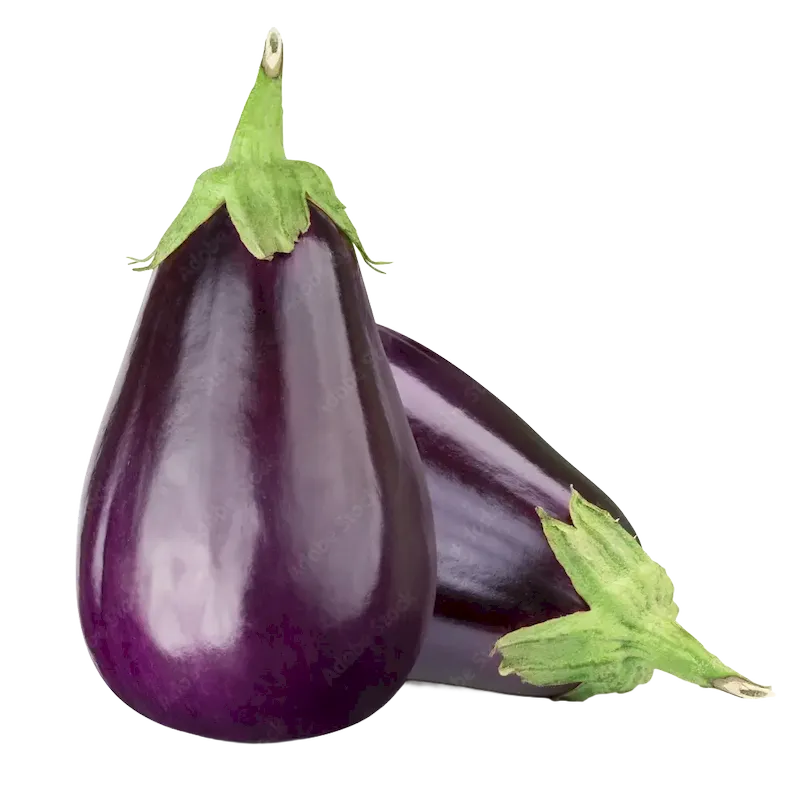
Eggplant, scientifically known as Solanum melongena, is a vegetable plant belonging to the Solanaceae family. It is widely cultivated and consumed around the world for its edible fruits, which come in various shapes and colors. While not typically used as a medicinal herb, eggplant is valued for its culinary versatility and potential health benefits.الباذنجان، واسمه العلمي Solanum melongena، هو نبات ينتمي إلى الفصيلة الباذنجانية. يُزرع ويُستهلك على نطاق واسع في جميع أنحاء العالم لثماره الصالحة للأكل، والتي تأتي بأشكال وألوان متنوعة. ورغم أنه لا يُستخدم عادةً كعشب طبي، إلا أن الباذنجان يُقدّر لتعدد استخداماته في الطهي وفوائده الصحية المحتملة.
Categoryالفئة
• Culinary use in various dishes
• Potential health benefits as part of a balanced diet• الاستخدام في الطهي في أطباق متنوعة
• الفوائد الصحية المحتملة كجزء من نظام غذائي متوازن
Habitatالموطن
Eggplants are cultivated in various climates, with well-drained, fertile soil and warm temperatures being favorable for growth. They are a staple in many cuisines and are commonly grown in home gardens and commercial farms. The primary part used is the fruit, which is harvested for culinary purposes and is not recognized for medicinal applications. يُزرع الباذنجان في مناخات متنوعة، حيث تُعدّ التربة الخصبة جيدة التصريف ودرجات الحرارة الدافئة مثالية لنموه. وهو عنصر أساسي في العديد من المطابخ، ويُزرع بكثرة في الحدائق المنزلية والمزارع التجارية. الجزء الرئيسي المستخدم هو الثمرة، التي تُقطف لأغراض الطهي فقط، ولا تُستخدم في الطب.
Parts usedالأجزاء المستخدمة
• Fruits • الفواكه
Key constituentsالمكوّنات الفعّالة
• Phenolic acids (mainly in flesh): chlorogenic acid (5‑O‑caffeoylquinic acid) as the predominant phenolic, often accounting for 70–95% of total phenolics, plus isochlorogenic acid isomers and other hydroxycinnamic acids.
• Anthocyanins (mainly in peel): nasunin (delphinidin‑3‑(p‑coumaroylrutinoside)‑5‑glucoside) as the characteristic peel anthocyanin, along with delphinidin‑3‑rutinoside and related delphinidin derivatives; composition varies by cultivar between nasunin‑ and D3R‑dominant profiles.
• Steroidal glycoalkaloids (mostly in peel, seeds, unripe tissue): solasonine, solamargine and solasodine (and related solanidine/solasodine glycosides).
• Other components: general flavonoids, free reducing sugars, amide proteins, vitamins and minerals contributing to overall nutritional value.• الأحماض الفينولية (توجد بشكل رئيسي في اللب): حمض الكلوروجينيك (حمض 5-O-كافويل كينيك) هو الفينول السائد، وغالبًا ما يشكل 70-95% من إجمالي الفينولات، بالإضافة إلى متصاوغات حمض الأيزوكلوروجينيك وأحماض الهيدروكسي سيناميك الأخرى.
• الأنثوسيانين (توجد بشكل رئيسي في القشرة): ناسونين (دلفينيدين-3-(p-كومارويل روتينوسيد)-5-جلوكوزيد) هو الأنثوسيانين المميز للقشرة، إلى جانب دلفينيدين-3-روتينوزيد ومشتقات الدلفينيدين ذات الصلة؛ يختلف التركيب باختلاف الصنف بين الأصناف التي يغلب عليها ناسونين والأصناف التي يغلب عليها D3R.
• جليكوألكالويدات ستيرويدية (توجد في الغالب في القشرة والبذور والأنسجة غير الناضجة): سولاسونين، سولامارجين، وسولاسودين (وجليكوسيدات سولانيدين/سولاسودين ذات الصلة).
• مكونات أخرى: فلافونويدات عامة، سكريات مختزلة حرة، بروتينات أميدية، فيتامينات ومعادن تساهم في القيمة الغذائية الإجمالية.
Researchالأبحاث
Research on Eggplant primarily focuses on its nutritional content and potential health benefits when included in a balanced diet. It is not typically studied as a medicinal herb but is valued for its role in nutrition and cooking.تركز الأبحاث المتعلقة بالباذنجان بشكل أساسي على محتواه الغذائي وفوائده الصحية المحتملة عند إدراجه في نظام غذائي متوازن. ولا يُدرس عادةً كعشب طبي، ولكنه يُقدّر لدوره في التغذية والطهي.
Traditional useالاستخدام التقليدي
Eggplant fruits are the primary part used in culinary applications. They are used in various dishes, including salads, stews, curries, and grilled preparations. Eggplant is appreciated for its culinary versatility and potential contribution to a balanced diet. تُعدّ ثمار الباذنجان الجزء الأساسي المستخدم في الطهي. فهي تدخل في العديد من الأطباق، بما في ذلك السلطات، واليخنات، والكاري، والمشويات. ويُقدّر الباذنجان لتعدد استخداماته في الطهي، ولمساهمته المحتملة في نظام غذائي متوازن.
Current useالاستخدام الحالي
Eggplant is commonly used in culinary preparations and can be cooked in various ways, such as grilling, roasting, frying, or sautéing. It is a versatile ingredient in a wide range of dishes, from Italian eggplant parmesan to Middle Eastern baba ganoush. يُستخدم الباذنجان بكثرة في تحضير الأطباق، ويمكن طهيه بطرق متنوعة، كالشوي والتحميص والقلي والتقليب. وهو مكون متعدد الاستخدامات في العديد من الأطباق، من طبق الباذنجان بارميزان الإيطالي إلى بابا غنوج الشرق أوسطي.
Preparationsالتحضيرات
Culinaryطهي
Used for these conditionsيُستخدم لهذه الحالات
Adult dosageجرعة البالغين
Dosage recommendations for Eggplant are not applicable in the context of traditional or herbal medicine. It is consumed as part of a balanced diet, and the quantity used depends on culinary preferences and specific dishes.لا تنطبق توصيات الجرعات الخاصة بالباذنجان في سياق الطب التقليدي أو الطب العشبي. يُستهلك كجزء من نظام غذائي متوازن، وتعتمد الكمية المستخدمة على التفضيلات الغذائية والأطباق المحددة.
Child dosageجرعة الأطفال
Dosages for Eggplant are not specified in the context of traditional or herbal medicine, as it is primarily used as a vegetable in culinary dishes. Its usage is based on individual culinary preferences and dietary needs. لا تُحدد جرعات الباذنجان في سياق الطب التقليدي أو الطب العشبي، إذ يُستخدم في المقام الأول كخضار في الأطباق. ويعتمد استخدامه على التفضيلات الغذائية والاحتياجات الفردية.
Cautionتحذيرات
Eggplant is generally considered safe when consumed as part of a balanced diet. However, some individuals may be sensitive or allergic to certain components. If you have specific dietary concerns or allergies, consult with a qualified healthcare provider or nutritionist. يُعتبر الباذنجان آمناً بشكل عام عند تناوله كجزء من نظام غذائي متوازن. مع ذلك، قد يُعاني بعض الأشخاص من حساسية تجاه بعض مكوناته. إذا كانت لديك أي مخاوف غذائية أو حساسية، يُرجى استشارة طبيب مختص أو أخصائي تغذية.