Introductionمقدّمة
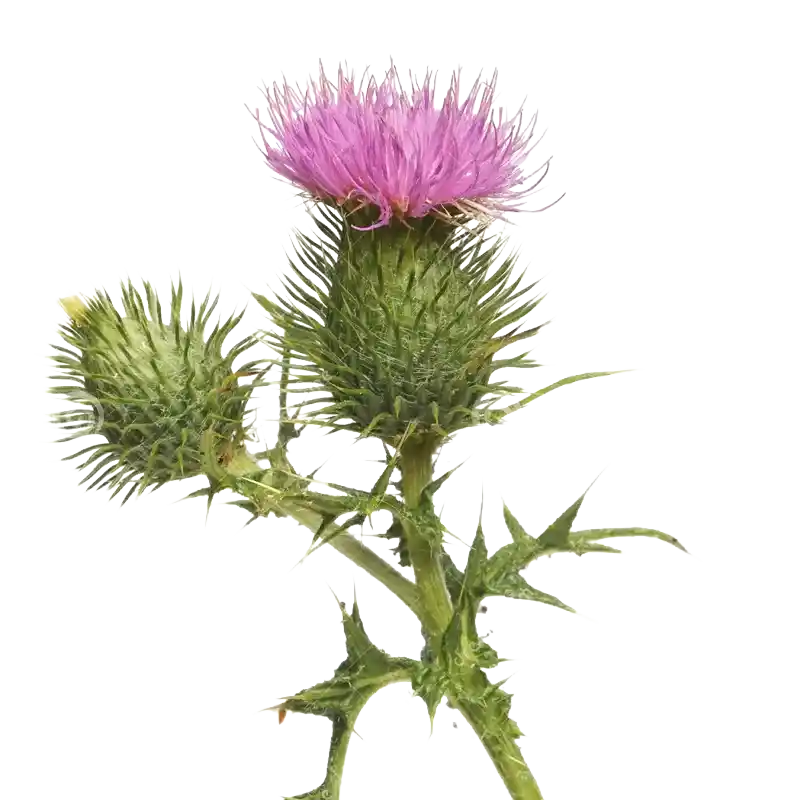
Cirsium arvense (creeping thistle) is a widespread edible thistle weed. Its young shoots and roots are edible, and folk medicine uses it as an astringent and tonic; studies show antioxidant, antimicrobial and anti-inflammatory activity.القُرصعنة الزاحفة (Cirsium arvense، شوك الحقل) عشبةٌ شوكية صالحة واسعة الانتشار. وبراعمها الفتيّة وجذورها صالحة للأكل، ويستعملها الطبّ الشعبي قابضاً ومقوّياً؛ وتُظهِر الدراسات نشاطاً مضاداً للأكسدة والميكروبات والالتهاب.
Categoryالفئة
• Common edible thistle weed
• Antioxidant
• Antimicrobial
• Astringent / wound use (traditional)
• Anti-inflammatory• شوكٌ حقليّ صالح شائع
• مضاد للأكسدة
• مضاد للميكروبات
• قابض/للجروح (تقليدي)
• مضاد للالتهاب
Habitatالموطن
A creeping-rooted perennial thistle with lilac flowerheads, an aggressive weed of fields, pastures and waste ground worldwide.شوكٌ مُعمّر زاحف الجذور بنوراتٍ بنفسجية، عشبةٌ عنيدة في الحقول والمراعي والأراضي البور عالمياً.
Parts usedالأجزاء المستخدمة
• Young shoots/leaves
• Root
• Flowerheads• البراعم/الأوراق الفتيّة
• الجذر
• النورات
Key constituentsالمكوّنات الفعّالة
• Flavonoids (apigenin, luteolin)
• Phenolic acids
• Tannins
• Sesquiterpene lactones
• Sterols• فلافونويدات (أبيجينين، لوتيولين)
• أحماض فينولية
• عفص
• لاكتونات سيسكويتربينية
• ستيرولات
Researchالأبحاث
Reviews and laboratory studies of Cirsium arvense document flavonoid-rich extracts with antioxidant, antimicrobial and anti-inflammatory activity, and the plant is increasingly noted as an edible wild food. Its traditional astringent and tonic uses fit this chemistry, though clinical trials are lacking.توثّق المراجعات ودراسات المختبر للقُرصعنة الزاحفة مستخلصاتٍ غنيّة بالفلافونويد بنشاطٍ مضاد للأكسدة والميكروبات والالتهاب، ويتزايد ذكر النبتة غذاءً برّياً صالحاً. وتناسب استعمالاتها القابضة والمقوّية التقليدية هذه الكيمياء، وإن نقصت التجارب السريرية.
Published researchأبحاث منشورة
Traditional useالاستخدام التقليدي
Used in folk medicine as an astringent for diarrhoea and bleeding, a tonic and 'blood' remedy, a poultice for wounds and skin, and the young shoots and roots eaten as a wild vegetable.يُستعمل في الطبّ الشعبي قابضاً للإسهال والنزف، ومقوّياً ودواءً «للدم»، ولبخةً للجروح والجلد، وتُؤكَل البراعم والجذور الفتيّة خضاراً برّياً.
Current useالاستخدام الحالي
A wild edible and minor folk remedy; of research interest for its antioxidant compounds.غذاءٌ برّيّ وعلاجٌ شعبيّ ثانوي؛ ذو أهمية بحثية لمركّباته المضادة للأكسدة.
Preparationsالتحضيرات
Cooked wild vegetable, Leaf/root infusion, Poulticeخضار برّيّ مطبوخ، نقيع أوراق/جذر، لبخة
Used for these conditionsيُستخدم لهذه الحالات
Adult dosageجرعة البالغين
Young shoots eaten as food; infusion of leaf/root in traditional amounts.البراعم الفتيّة تُؤكَل غذاءً؛ ونقيع أوراق/جذر بكميات تقليدية.
Child dosageجرعة الأطفال
The cooked young shoots are a safe wild food.البراعم الفتيّة المطبوخة غذاءٌ برّيّ آمن.
Cautionتحذيرات
Generally safe, and edible when young and cooked (remove the spines). Daisy-family allergy is possible. Correctly identify the plant, and gather only from clean, unsprayed ground, since it is a farm weed often treated with herbicide.آمنٌ عموماً، وصالح للأكل فتيّاً مطبوخاً (أزِل الأشواك). والتحسّس لفصيلة الأقحوان ممكن. تعرّف على النبتة بدقّة، واجمع من أرضٍ نظيفة غير مرشوشة فقط، فهو عشبةٌ زراعية كثيراً ما تُعامَل بمبيدات الأعشاب.
Pregnancy & nursingالحمل والرضاعة
Food amounts of the young shoots are fine; avoid concentrated medicinal doses in pregnancy.كميات الطعام من البراعم مقبولة؛ وتُتجنَّب الجرعات الدوائية المركّزة في الحمل.