Introductionمقدّمة
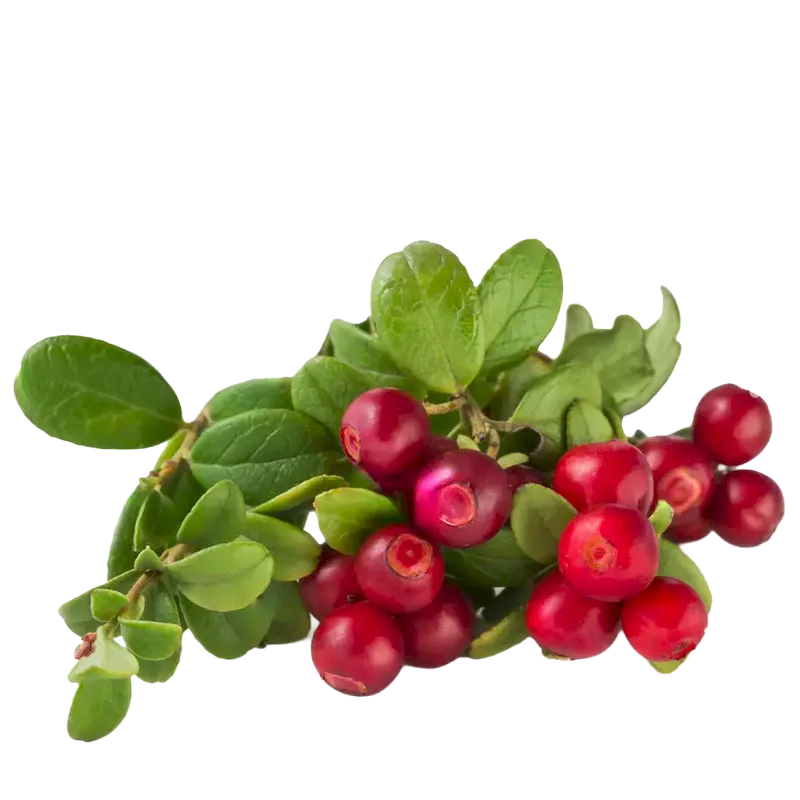
Cranberry, scientifically known as Vaccinium macrocarpon, is a low-growing evergreen shrub belonging to the Ericaceae family. It is widely recognized for its small, red berries and potential health benefits, particularly for urinary tract health. التوت البري، المعروف علمياً باسم Vaccinium macrocarpon، هو شجيرة دائمة الخضرة قصيرة النمو تنتمي إلى الفصيلة الخلنجية. وهو معروف على نطاق واسع بثماره الحمراء الصغيرة وفوائده الصحية المحتملة، وخاصة لصحة المسالك البولية.
Categoryالفئة
• Potential urinary tract health support
• Antioxidant properties
• Possible anti-adhesion effects on bacteria• دعم محتمل لصحة المسالك البولية
• خصائص مضادة للأكسدة
• تأثيرات محتملة مضادة لالتصاق البكتيريا
Habitatالموطن
Cranberries are native to North America and are commonly found in wetlands, bogs, and sandy areas. They are cultivated for their berries, which are typically used in various culinary preparations and herbal remedies. The fruit is the primary part used, known for its potential therapeutic properties. يُعدّ التوت البري من النباتات الأصلية في أمريكا الشمالية، وينمو بكثرة في الأراضي الرطبة والمستنقعات والمناطق الرملية. يُزرع التوت البري لثماره التي تُستخدم عادةً في العديد من الأطباق والوصفات العشبية. وتُعتبر الثمرة الجزء الرئيسي المستخدم، لما لها من خصائص علاجية محتملة.
Parts usedالأجزاء المستخدمة
• Berries (fruit) • التوت (الفاكهة)
Key constituentsالمكوّنات الفعّالة
• Proanthocyanidins: oligomeric A‑type proanthocyanidins (epi)catechin oligomers (dimers–octamers) are a hallmark; they are abundant in peel and seeds and strongly associated with anti‑adhesion effects against uropathogenic E. coli.
• Anthocyanins: mainly cyanidin‑3‑galactoside, cyanidin‑3‑arabinoside, peonidin‑3‑galactoside and peonidin‑3‑arabinoside, providing the characteristic red color.
• Other phenolics: flavonols (quercetin and myricetin glycosides), flavan‑3‑ols (catechin, epicatechin), and phenolic acids (benzoic, hydroxycinnamic acids) contributing substantially to antioxidant activity.
• Organic acids and sugars: relatively low sugar with high organic acids, chiefly citric, malic and quinic acids.• البروانثوسيانيدينات: تُعدّ البروانثوسيانيدينات قليلة الوحدات من النوع A، وتحديدًا قليلات وحدات (إبي)كاتشين (ثنائيات - ثمانيات)، سمة مميزة؛ وهي وفيرة في القشرة والبذور، وترتبط ارتباطًا وثيقًا بتأثيرات مضادة للالتصاق ضد بكتيريا الإشريكية القولونية المسببة لالتهابات المسالك البولية.
• الأنثوسيانينات: تتكون أساسًا من سيانيدين-3-جالاكتوزيد، وسيانيدين-3-أرابينوزيد، وبيونيدين-3-جالاكتوزيد، وبيونيدين-3-أرابينوزيد، وهي المسؤولة عن اللون الأحمر المميز.
• مركبات فينولية أخرى: الفلافونولات (جليكوسيدات الكيرسيتين والميريسيتين)، والفلافان-3-أولات (كاتشين، وإبيكاتشين)، والأحماض الفينولية (حمض البنزويك، وحمض الهيدروكسي سيناميك)، والتي تُساهم بشكل كبير في النشاط المضاد للأكسدة.
• الأحماض العضوية والسكريات: نسبة سكر منخفضة نسبياً مع نسبة عالية من الأحماض العضوية، وخاصة حمض الستريك والماليك والكينيك.
Researchالأبحاث
Research on Cranberry has explored its proanthocyanidin (PAC) content and its potential benefits for urinary tract health. It is traditionally used for this purpose and is known for its antioxidant properties. Limited studies suggest anti-adhesion effects on bacteria.استكشفت الأبحاث التي أُجريت على التوت البري محتواه من البروانثوسيانيدين (PAC) وفوائده المحتملة لصحة المسالك البولية. يُستخدم التوت البري تقليديًا لهذا الغرض، وهو معروف بخصائصه المضادة للأكسدة. وتشير دراسات محدودة إلى تأثيرات مضادة لالتصاق البكتيريا.
Published researchأبحاث منشورة
↗ Cranberry Reduces the Risk of Urinary Tract Infection Recurrence in Otherwise Healthy Women: A Systematic Review and Meta-Analysis↗ Cranberry-containing products for prevention of urinary tract infections in susceptible populations: a systematic review and meta-analysis of randomized controlled trials↗ Updated Meta-analysis: Cranberry Products Reduced UTI RiskTraditional useالاستخدام التقليدي
Cranberries have a long history of traditional use by Native American tribes for various health purposes, including urinary tract health. The fruit is typically consumed as juice, dried fruit, or incorporated into culinary recipes. يتمتع التوت البري بتاريخ طويل من الاستخدام التقليدي من قبل قبائل السكان الأصليين في أمريكا لأغراض صحية متنوعة، بما في ذلك صحة المسالك البولية. وعادةً ما يتم استهلاك هذه الفاكهة كعصير أو فاكهة مجففة أو إضافتها إلى وصفات الطهي.
Current useالاستخدام الحالي
Cranberries can be consumed as fresh fruit, juice, dried fruit, or incorporated into culinary dishes. They are traditionally used for urinary tract health and as a source of antioxidants. يمكن تناول التوت البري كفاكهة طازجة، أو عصير، أو فاكهة مجففة، أو إضافته إلى أطباق الطهي. ويُستخدم تقليدياً لصحة المسالك البولية وكمصدر لمضادات الأكسدة.
Preparationsالتحضيرات
Culinary, Juice, Whole (Fresh/Dried)طهي, عصير, كامل (طازج/مجفف)
Used for these conditionsيُستخدم لهذه الحالات
Adult dosageجرعة البالغين
Dosage recommendations for Cranberry may vary depending on the specific product or formulation. It is typically used in dietary or supplement form for urinary tract health, following manufacturer or healthcare provider guidance.قد تختلف توصيات الجرعة من التوت البري باختلاف المنتج أو التركيبة. ويُستخدم عادةً كمكمل غذائي أو مكمل غذائي لصحة المسالك البولية، وفقًا لتوجيهات الشركة المصنعة أو مقدم الرعاية الصحية.
Child dosageجرعة الأطفال
Consult with a healthcare provider for appropriate dosages for children. استشر مقدم الرعاية الصحية لتحديد الجرعات المناسبة للأطفال.
Cautionتحذيرات
Cranberry is safe as a food, but concentrated juice or supplements can increase the effect of the blood-thinner warfarin, raising bleeding risk (monitor INR / avoid large amounts if on warfarin). Cranberry is high in oxalate, so large regular intake may increase kidney-stone risk in predisposed people. Those allergic to cranberries should avoid it, and excess may cause stomach upset.التوت البري آمن كغذاء، لكن العصير المركّز أو المكملات قد تزيد من تأثير مميّع الدم الوارفارين وترفع خطر النزيف (يجب مراقبة INR أو تجنّب الكميات الكبيرة عند تناول الوارفارين). ويحتوي التوت البري على نسبة عالية من الأوكسالات، لذا قد يزيد تناوله المنتظم بكميات كبيرة خطر حصى الكلى لدى المعرضين. وعلى من لديهم حساسية تجاهه تجنّبه، وقد يسبب الإفراط اضطراباً معوياً.