Introductionمقدّمة
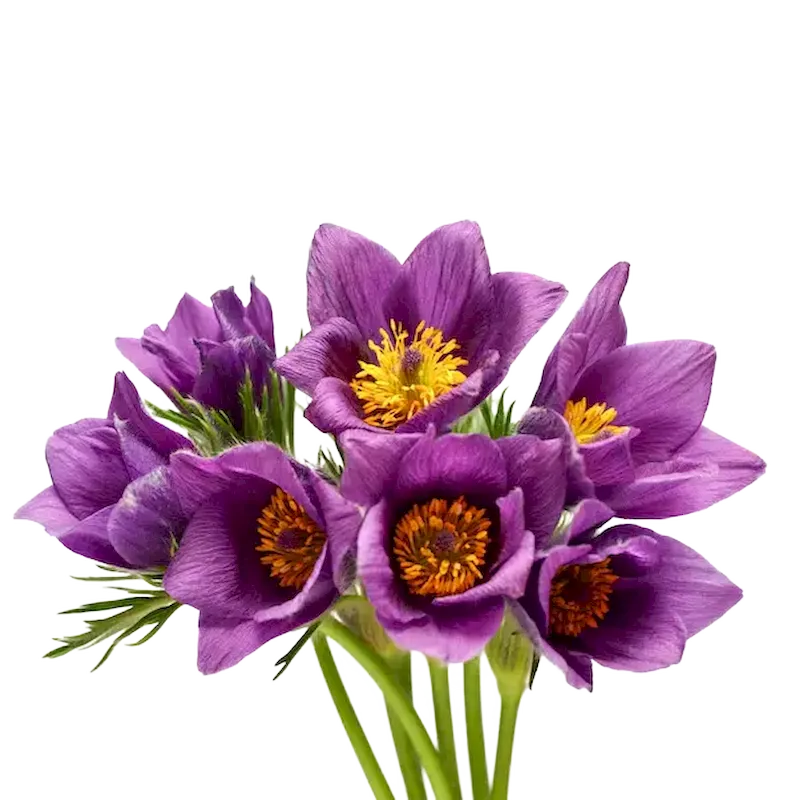
Chinese Anemone, scientifically known as Pulsatilla chinensis, is a perennial herbaceous plant belonging to the Ranunculaceae family. It is recognized for its delicate flowers and potential medicinal properties, especially in traditional Chinese medicine (TCM). زهرة شقائق النعمان الصينية، والمعروفة علمياً باسم Pulsatilla chinensis، هي نبات عشبي معمر ينتمي إلى عائلة الحوذان. وهي معروفة بأزهارها الرقيقة وخصائصها الطبية المحتملة، وخاصة في الطب الصيني التقليدي.
Categoryالفئة
• Traditional use for respiratory and inflammatory conditions
• Potential anti-inflammatory and antimicrobial properties• الاستخدام التقليدي لعلاج أمراض الجهاز التنفسي والالتهابات
• خصائص مضادة للالتهابات ومضادة للميكروبات
Habitatالموطن
Chinese Anemone is native to various regions of China and can be found in mountainous and forested areas. It thrives in well-drained, sandy, or loamy soils. The primary part used is the aerial portion of the plant, including the flowers and leaves, known for their potential therapeutic benefits in TCM. يُعدّ نبات شقائق النعمان الصيني من النباتات الأصلية في مناطق متفرقة من الصين، وينمو في المناطق الجبلية والغابات. ويزدهر في التربة جيدة التصريف، الرملية أو الطينية. ويُستخدم الجزء الهوائي من النبات بشكل أساسي، بما في ذلك الأزهار والأوراق، لما له من فوائد علاجية محتملة في الطب الصيني التقليدي.
Parts usedالأجزاء المستخدمة
• Root / rhizome (Radix Pulsatillae, Bai Tou Weng)• الجذر / الجذمور (جذر الباتول ونغ، Radix Pulsatillae)
Key constituentsالمكوّنات الفعّالة
• Triterpenoid saponins: complex oleanolic‑acid/hederagenin saponins such as hupehensis saponin F, G and related multi‑sugar glycosides (e.g., huzhangoside‑/hupehensis‑type saponins).
• Diterpenoids: podocarpane‑type diterpenoids known as anemhupehins A–C and related analogues from aerial parts.
• Neolignan and phenylpropanoid glycosides (rhizome): several neolignan glycosides, phenylpropanoid glycosides and a phenolic glycoside isolated from the rhizome.
• Other typical Anemone constituents: additional triterpenoids, further saponins, steroids, lactones, fats/oils, saccharides and minor alkaloids reported across Anemone species and also noted for this plant.
• صابونينات ثلاثية التربينويد: صابونينات معقدة من نوع حمض الأولينوليك/هيدراجينين، مثل صابونين هوبينسيس F وG، وجليكوسيدات متعددة السكريات ذات صلة (مثل صابونينات هوزانجوسيد/هوبينسيس).
• ثنائي التربينويدات: ثنائي التربينويدات من نوع بودوكاربان، والمعروفة باسم أنيمهوبين A-C، ونظائرها ذات الصلة، والمستخلصة من الأجزاء الهوائية.
• جليكوسيدات نيوليجنان وفينيل بروبانويد (الجذمور): العديد من جليكوسيدات نيوليجنان، وجليكوسيدات فينيل بروبانويد، وجليكوسيد فينولي معزولة من الجذمور.
• مكونات أخرى نموذجية لنبات شقائق النعمان: ثلاثي التربينويدات إضافية، وصابونينات أخرى، وستيرويدات، ولاكتونات، ودهون/زيوت، وسكريات، وقلويات ثانوية، تم الإبلاغ عنها في أنواع مختلفة من شقائق النعمان، ولوحظت أيضًا في هذا النبات.
Researchالأبحاث
Research on Chinese Anemone has explored its chemical constituents, including triterpenoid saponins and flavonoids. It is traditionally used in TCM for respiratory and inflammatory conditions and shows potential anti-inflammatory and antimicrobial properties.استكشفت الأبحاث التي أُجريت على زهرة شقائق النعمان الصينية مكوناتها الكيميائية، بما في ذلك صابونينات الترايتيربينويد والفلافونويدات. وهي تُستخدم تقليديًا في الطب الصيني التقليدي لعلاج أمراض الجهاز التنفسي والالتهابات، وتُظهر خصائص مضادة للالتهابات ومضادة للميكروبات.
Traditional useالاستخدام التقليدي
Chinese Anemone is traditionally used in TCM and is prepared as herbal decoctions, tinctures, or included in traditional formulations. It is valued for its potential benefits in addressing respiratory and inflammatory issues. يُستخدم نبات شقائق النعمان الصيني تقليديًا في الطب الصيني التقليدي، ويُحضّر على شكل مغليّات عشبية أو صبغات، أو يُضاف إلى تركيبات تقليدية. ويُقدّر لفوائده المحتملة في علاج مشاكل الجهاز التنفسي والالتهابات.
Current useالاستخدام الحالي
The aerial parts of Chinese Anemone, including the flowers and leaves, are used for their potential medicinal properties. They are prepared as herbal decoctions, tinctures, or incorporated into traditional remedies. تُستخدم الأجزاء الهوائية من زهرة شقائق النعمان الصينية، بما في ذلك الأزهار والأوراق، لخصائصها الطبية المحتملة. ويتم تحضيرها على شكل مغليات عشبية أو صبغات، أو تُضاف إلى العلاجات التقليدية.
Preparationsالتحضيرات
Decoction, Tinctureخلاصة سائلة, مغلي
Used for these conditionsيُستخدم لهذه الحالات
Adult dosageجرعة البالغين
Dosage recommendations for Chinese Anemone may vary depending on the specific TCM formulation or remedy. It is typically used in appropriate quantities for the intended purpose, such as in herbal decoctions or tinctures for respiratory and inflammatory support.قد تختلف توصيات الجرعات لزهرة شقائق النعمان الصينية تبعًا لتركيبة الطب الصيني التقليدي أو العلاج المحدد. وعادةً ما تُستخدم بكميات مناسبة للغرض المقصود، كما هو الحال في مغلي الأعشاب أو الصبغات لدعم الجهاز التنفسي والالتهابات.
Child dosageجرعة الأطفال
Consult a qualified traditional Chinese medicine practitioner or healthcare provider for appropriate dosages for children. استشر طبيباً متخصصاً في الطب الصيني التقليدي أو مقدم رعاية صحية مؤهلاً لتحديد الجرعات المناسبة للأطفال.
Cautionتحذيرات
The fresh plant is toxic: it contains protoanemonin (an acrid irritant, formed from ranunculin) and irritant saponins that can severely irritate the skin, mouth, throat and gut, and it can be toxic if misused. Use only the properly dried, prepared root, only under qualified supervision, and do not exceed traditional doses. Not for self-medication; avoid in children.النبات الطازج سام: يحتوي على البروتوأنيمونين (مهيّج لاذع يتكوّن من الرانونكولين) وصابونينات مهيّجة قد تسبّب تهيّجاً شديداً للجلد والفم والحلق والأمعاء، وقد يكون ساماً عند سوء الاستخدام. يُستخدم فقط الجذر المجفّف والمُحضّر بشكل صحيح، وتحت إشراف مختص مؤهل، ودون تجاوز الجرعات التقليدية. غير مخصّص للعلاج الذاتي؛ يُتجنّب عند الأطفال.
Pregnancy & nursingالحمل والرضاعة
Do not use during pregnancy or breastfeeding. Pulsatilla is traditionally regarded as an emmenagogue and contains irritant, potentially toxic compounds; it is contraindicated in pregnancy and lactation.لا يُستخدم أثناء الحمل أو الرضاعة. يُعدّ نبات الباتول ونغ (Pulsatilla) مدرّاً للطمث تقليدياً ويحتوي على مركبات مهيّجة قد تكون سامة؛ وهو ممنوع أثناء الحمل والرضاعة.