Introductionمقدّمة
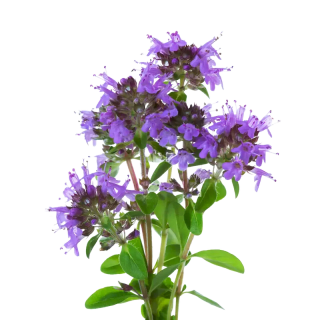
Calamint, belonging to the Calamintha genus, is a group of aromatic perennial herbs found in various regions around the world, including Europe and North America. These herbs are characterized by their mint-like aroma and have a history of use in traditional herbal medicine. الكالامينت، الذي ينتمي إلى جنس الكالامينثا، هو مجموعة من الأعشاب العطرية المعمرة التي توجد في مناطق مختلفة حول العالم، بما في ذلك أوروبا وأمريكا الشمالية. تتميز هذه الأعشاب برائحتها الشبيهة بالنعناع ولها تاريخ طويل من الاستخدام في الطب العشبي التقليدي.
Categoryالفئة
• Potential digestive aid
• Potential antimicrobial
• Traditional use for respiratory support• مُساعد محتمل للهضم
• مُضاد محتمل للميكروبات
• استخدام تقليدي لدعم الجهاز التنفسي
Habitatالموطن
Calamint species are often found in sunny, well-drained locations, including meadows and rocky slopes. They are cultivated for their leaves and flowering tops, which contain aromatic compounds. Calamint has been used traditionally for its potential medicinal properties. تنتشر أنواع النعناع البري عادةً في المواقع المشمسة جيدة التصريف، بما في ذلك المروج والمنحدرات الصخرية. وتُزرع هذه الأنواع لأوراقها وأزهارها التي تحتوي على مركبات عطرية. وقد استُخدم النعناع البري تقليديًا لخصائصه الطبية المحتملة.
Parts usedالأجزاء المستخدمة
• Leaves
• Flowering Tops• الأوراق
• قمم الأزهار
Key constituentsالمكوّنات الفعّالة
• Essential oils (pulegone ~50–85% aerial — primary active; antispasmodic, emmenagogue, insect repellent; hepatotoxic at high doses)
• Menthol (monoterpene ~5–15% — analgesic, cooling, antimicrobial)
• Menthone (monoterpene ~2–10% — antispasmodic, antimicrobial)
• Flavonoids (luteolin, apigenin — antioxidant, anti-inflammatory)
• Phenolic acids (rosmarinic acid, caffeic acid — antioxidant)
• Tannins (~3–6% — astringent, antimicrobial)
• Minerals (calcium, potassium, iron — nutritive)• زيوت عطرية (بوليغون ~50-85% من الجزء الهوائي - المادة الفعالة الرئيسية؛ مضاد للتشنج، محفز للطمث، طارد للحشرات؛ سام للكبد عند الجرعات العالية)
• المنثول (أحادي التربين ~5-15% - مسكن، مبرد، مضاد للميكروبات)
• المنثون (أحادي التربين ~2-10% - مضاد للتشنج، مضاد للميكروبات)
• الفلافونويدات (لوتولين، أبيجينين - مضاد للأكسدة، مضاد للالتهابات)
• الأحماض الفينولية (حمض الروزمارينيك، حمض الكافيين - مضاد للأكسدة)
• التانينات (~3-6% - قابض، مضاد للميكروبات)
• المعادن (الكالسيوم، البوتاسيوم، الحديد - مغذية)
Researchالأبحاث
Research on Calamint has explored its essential oil content, particularly pulegone, and its potential digestive, antimicrobial, and respiratory-supporting effects. It is traditionally used for various health purposes and continues to be studied for its properties. استكشفت الأبحاث التي أُجريت على نبات النعناع البري محتواه من الزيوت العطرية، وخاصةً مادة البوليغون، وتأثيراته المحتملة في تحسين الهضم، ومكافحة الميكروبات، ودعم الجهاز التنفسي. ويُستخدم تقليديًا لأغراض صحية متنوعة، ولا تزال الدراسات جارية لفهم خصائصه.
Published researchأبحاث منشورة
↗ Calamintha nepeta (L.) Savi and its Main Essential Oil Constituent Pulegone: Biological Activities and Chemistry↗ Chemical composition and biological activities of Calamintha officinalis Moench essential oil↗ Essential-oil diversity of three Calamintha species from GreeceTraditional useالاستخدام التقليدي
Calamint has a history of use in traditional herbal medicine for digestive support, respiratory health, and potential antimicrobial properties. It may be prepared as herbal infusions or used in various remedies and culinary applications.يُعرف نبات النعناع البري بتاريخه الطويل في الطب الشعبي التقليدي لدعم صحة الجهاز الهضمي والتنفسي، فضلاً عن خصائصه المضادة للميكروبات. ويمكن تحضيره على شكل مشروبات عشبية أو استخدامه في علاجات متنوعة وفي الطهي.
Current useالاستخدام الحالي
Calamint leaves and flowering tops can be prepared as herbal infusions, tinctures, or used in traditional remedies. They are valued for their potential digestive and respiratory benefits, as well as their aromatic properties. يمكن تحضير أوراق وأزهار النعناع البري كمشروبات عشبية أو صبغات، أو استخدامها في العلاجات التقليدية. وهي ذات قيمة عالية لفوائدها المحتملة للجهاز الهضمي والتنفسي، فضلاً عن خصائصها العطرية.
Preparationsالتحضيرات
Culinary, Infusion, Tinctureخلاصة سائلة, طهي, منقوع
Used for these conditionsيُستخدم لهذه الحالات
Adult dosageجرعة البالغين
Dosage recommendations for Calamint can vary depending on the specific product or remedy. It is typically used in appropriate quantities for the intended purpose, such as in herbal infusions or tinctures. تختلف توصيات الجرعات لنبات النعناع البري باختلاف المنتج أو العلاج المحدد. ويُستخدم عادةً بكميات مناسبة للغرض المقصود، كما هو الحال في المشروبات العشبية أو الصبغات.
Child dosageجرعة الأطفال
Consult a qualified herbalist or healthcare provider for appropriate dosages for children. استشر أخصائي أعشاب مؤهل أو مقدم رعاية صحية لتحديد الجرعات المناسبة للأطفال.
Cautionتحذيرات
Calamint contains high levels of pulegone, which can be toxic to the liver in concentrated form. The essential oil should not be taken internally, and only culinary/mild infusion amounts should be used. Avoid in pregnancy, breastfeeding, in infants, and in people with liver disease. Consult a healthcare provider if you take medications or have underlying conditions.يحتوي النعناع البري على نسب عالية من البوليغون الذي قد يكون ساماً للكبد في صورته المركّزة. لا ينبغي تناول الزيت العطري داخلياً، ويُقتصر على كميات الطهي أو المنقوع الخفيف. يُتجنب أثناء الحمل والرضاعة وعند الرضّع ومرضى الكبد. استشر مقدم الرعاية الصحية إذا كنت تتناول أدوية أو تعاني من حالات مرضية.
Pregnancy & nursingالحمل والرضاعة
Avoid in pregnancy and breastfeeding. Calamint is rich in pulegone, an emmenagogue/abortifacient compound (as in pennyroyal) that is also hepatotoxic; the essential oil and concentrated preparations must not be used during pregnancy or lactation.يُتجنب أثناء الحمل والرضاعة. النعناع البري غني بمادة البوليغون، وهي مركب محفّز للطمث ومُجهض (كما في نبات البوليجيوم) وسام للكبد؛ ويجب عدم استخدام الزيت العطري أو المستحضرات المركّزة أثناء الحمل أو الرضاعة.