Introductionمقدّمة
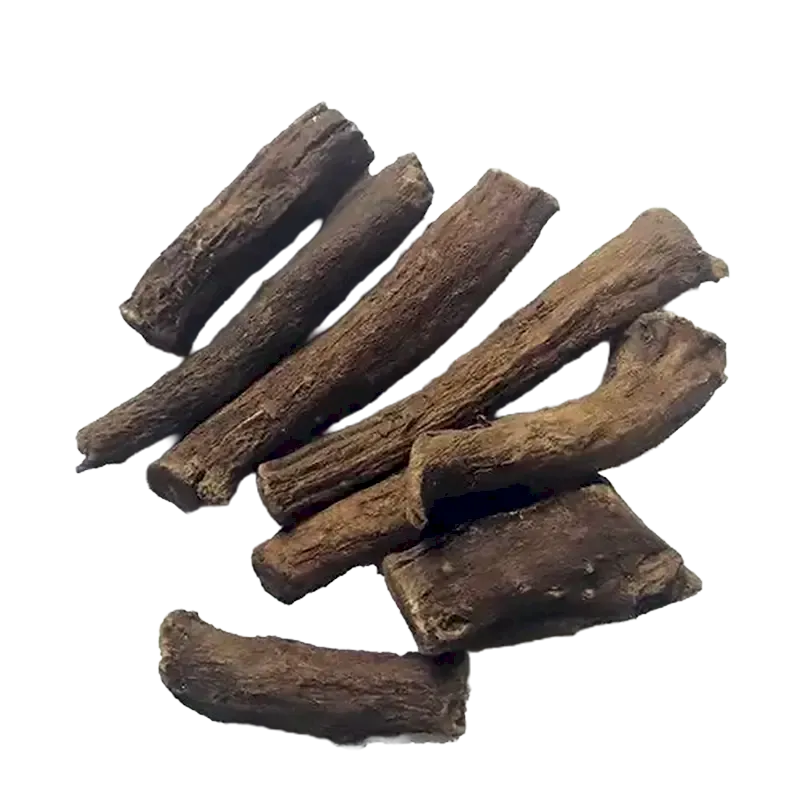
Kuth, scientifically known as Saussurea lappa (synonymous with S. costus), is a perennial herb native to the Himalayan region and is also found in parts of Central Asia. It belongs to the Asteraceae family and is known for its aromatic root, which has been used in traditional medicine for various purposes. نبات الكوث، المعروف علمياً باسم Saussurea lappa (وهو مرادف لـ S. costus)، هو عشب معمر موطنه الأصلي منطقة جبال الهيمالايا، ويوجد أيضاً في أجزاء من آسيا الوسطى. ينتمي إلى الفصيلة النجمية (Asteraceae)، ويشتهر بجذوره العطرية التي استُخدمت في الطب التقليدي لأغراض متنوعة.
Categoryالفئة
• Traditional use for digestive support and respiratory health
• Potential anti-inflammatory and antimicrobial effects
• Limited modern research• الاستخدام التقليدي لدعم صحة الجهاز الهضمي والتنفسي
• تأثيرات محتملة مضادة للالتهابات ومضادة للميكروبات
• أبحاث حديثة محدودة
Habitatالموطن
Kuth thrives in alpine meadows and rocky slopes in the Himalayan region. It is cultivated for its medicinal root, which contains valuable bioactive compounds. The primary part used is the root, prized for its aromatic properties and potential health benefits. ينمو نبات الكوث بكثرة في المروج الألبية والمنحدرات الصخرية في منطقة الهيمالايا. ويُزرع من أجل جذوره الطبية التي تحتوي على مركبات حيوية قيّمة. ويُستخدم الجذر بشكل أساسي لما يتميز به من خصائص عطرية وفوائد صحية محتملة.
Parts usedالأجزاء المستخدمة
• Root
• Herbal decoctions
• Powders• جذور
• مغلي الأعشاب
• مساحيق
Key constituentsالمكوّنات الفعّالة
• Sesquiterpene lactones (major): costunolide and dehydrocostus lactone as primary markers, with other sesquiterpene lactones such as cynaropicrin, dihydrocostunolide and related eudesmane/germacrane‑type lactones.
• Volatile oil constituents: root essential oil (roughly 0.02–3% depending on source) rich in dehydrocostus lactone, costunolide and other sesquiterpenes (e.g., β‑elemene, elemol, γ‑costol, vulgarol B, valerenol, terpinen‑4‑ol; plus hydrocarbons such as (E)‑β‑ocimene).
• Other secondary metabolites: flavonoids, steroids, chlorogenic acid and general phenolic compounds reported in extracts alongside the sesquiterpene fraction.• اللاكتونات السيسكويتربينية (الرئيسية): يُعد كل من الكوستنوليد وديهايدروكوستوس لاكتون مؤشرين أساسيين، إلى جانب لاكتونات سيسكويتربينية أخرى مثل السيناروبيكرين، وديهايدروكوستونوليد، ولاكتونات من نوع الإيودسمان/الجيرماكران.
• مكونات الزيت العطري: زيت أساسي من الجذر (يتراوح تقريبًا بين 0.02% و3% حسب المصدر) غني بالديهايدروكوستوس لاكتون، والكوستنوليد، وسيسكويتربينات أخرى (مثل بيتا-إليمين، وإليمول، وغاما-كوستول، وفولجارول ب، وفاليرينول، وتيربينين-4-أول؛ بالإضافة إلى هيدروكربونات مثل (E)-بيتا-أوسيمين).
• المستقلبات الثانوية الأخرى: الفلافونويدات، والستيرويدات، وحمض الكلوروجينيك، والمركبات الفينولية العامة التي تم الإبلاغ عنها في المستخلصات إلى جانب جزء السيسكويتربين.
Researchالأبحاث
Research on Kuth has focused on its chemical constituents, including costus lactone and sesquiterpenoids, and their potential anti-inflammatory and antimicrobial effects. It is traditionally used for digestive support and respiratory health in herbal medicine.ركزت الأبحاث على نبات الكوث على مكوناته الكيميائية، بما في ذلك لاكتون الكوستوس والتربينويدات النصفية، وتأثيراتها المحتملة المضادة للالتهابات والميكروبات. ويُستخدم تقليديًا في الطب العشبي لدعم صحة الجهاز الهضمي والتنفسي.
Traditional useالاستخدام التقليدي
The primary part used in herbal medicine is the root of Kuth, known for its aromatic properties and potential therapeutic properties. It can be prepared as herbal decoctions, powders, or used in traditional remedies for various purposes. يُعد جذر نبات الكوث الجزء الأساسي المستخدم في الطب العشبي، وهو معروف بخصائصه العطرية وفوائده العلاجية المحتملة. ويمكن تحضيره على شكل مغلي عشبي أو مسحوق، أو استخدامه في العلاجات التقليدية لأغراض متنوعة.
Current useالاستخدام الحالي
Kuth root can be used to prepare herbal decoctions, powders, or incorporated into traditional remedies for digestive support, respiratory health, and other potential therapeutic benefits. يمكن استخدام جذر الكوث لتحضير مغلي الأعشاب أو المساحيق أو دمجه في العلاجات التقليدية لدعم الجهاز الهضمي وصحة الجهاز التنفسي وغيرها من الفوائد العلاجية المحتملة.
Preparationsالتحضيرات
Decoction, Powderمسحوق, مغلي
Used for these conditionsيُستخدم لهذه الحالات
Adult dosageجرعة البالغين
Dosage recommendations for Kuth may vary depending on the intended use and preparation form. It is typically used in appropriate quantities for its potential therapeutic effects. قد تختلف توصيات الجرعات لدواء كوث تبعاً للاستخدام المقصود وشكل التحضير. ويُستخدم عادةً بكميات مناسبة لتحقيق فوائده العلاجية المحتملة.
Child dosageجرعة الأطفال
Consult with a qualified herbalist or healthcare provider for appropriate dosages for children based on their age and specific needs. استشر أخصائي أعشاب مؤهل أو مقدم رعاية صحية لتحديد الجرعات المناسبة للأطفال بناءً على أعمارهم واحتياجاتهم الخاصة.
Cautionتحذيرات
Kuth belongs to the daisy family (Asteraceae) and is rich in sesquiterpene lactones (costunolide, dehydrocostus lactone) that are known skin sensitizers; avoid if allergic to Asteraceae/Compositae plants. Discontinue if rash or irritation occurs and consult a healthcare provider, especially if pregnant, breastfeeding, or taking medication.ينتمي القسط الهندي إلى الفصيلة النجمية (Asteraceae) وهو غني باللاكتونات السيسكويتربينية (الكوستنوليد وديهيدروكوستوس لاكتون) المعروفة بأنها مُحسِّسة للجلد؛ يُتجنب عند وجود حساسية تجاه نباتات الفصيلة النجمية. أوقف الاستخدام عند ظهور طفح أو تهيج واستشر الطبيب، خاصة أثناء الحمل أو الرضاعة أو تناول الأدوية.
Pregnancy & nursingالحمل والرضاعة
Avoid during pregnancy and breastfeeding; Kuth has traditional emmenagogue/uterine-stimulant use and its safety in pregnancy has not been established.يُتجنب أثناء الحمل والرضاعة؛ فالقسط الهندي له استخدام تقليدي كمُدرّ للطمث/منبّه للرحم ولم تُثبت سلامته أثناء الحمل.