Introductionمقدّمة
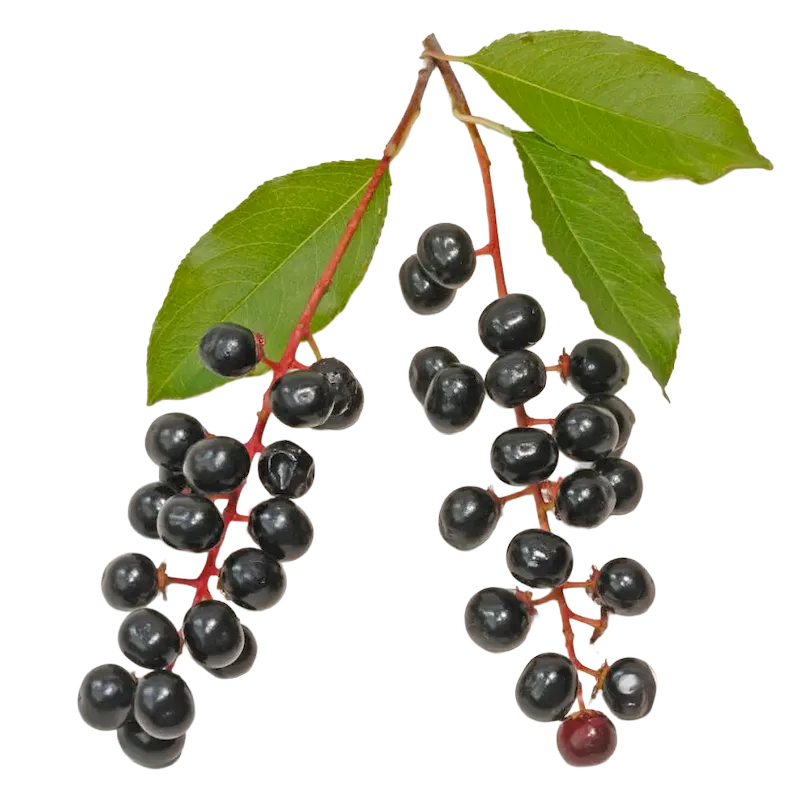
Wild Cherry, scientifically known as Prunus serotina, is a deciduous tree belonging to the Rosaceae family. It is recognized for its small, dark cherries and has historical uses in traditional medicine and as a timber resource. الكرز البري، المعروف علمياً باسم Prunus serotina، هو شجرة نفضية تنتمي إلى الفصيلة الوردية. تشتهر بثمارها الكرزية الصغيرة الداكنة، ولها استخدامات تاريخية في الطب التقليدي وكمصدر للأخشاب.
Categoryالفئة
• Antitussive (cough-suppressing)
• Astringent
• Traditional use for respiratory and digestive support• مضاد للسعال
• قابض
• الاستخدام التقليدي لدعم الجهاز التنفسي والهضمي
Habitatالموطن
Wild Cherry trees are native to North America and can be found in various forested areas, particularly in eastern and central regions. They require well-drained soils and are cultivated for timber production. Different parts of Wild Cherry, including the bark and fruit, have been used for their potential medicinal properties.أشجار الكرز البري موطنها الأصلي أمريكا الشمالية، وتوجد في مناطق حرجية متنوعة، لا سيما في المناطق الشرقية والوسطى. وهي تحتاج إلى تربة جيدة التصريف، وتُزرع لإنتاج الأخشاب. وقد استُخدمت أجزاء مختلفة من الكرز البري، بما في ذلك اللحاء والثمار، لخصائصها الطبية المحتملة.
Parts usedالأجزاء المستخدمة
• Bark
• Fruit• لحاء
• فاكهة
Key constituentsالمكوّنات الفعّالة
• Cyanogenic glycosides: prunasin as the main constituent in bark, with smaller amounts of amygdalin in bark, leaves, fruits and seeds, both capable of releasing hydrocyanic acid on hydrolysis.
• Aromatic components: benzaldehyde and related aromatic compounds contributing to characteristic odor and some of the traditional expectorant/cough‑soothing actions.
• Phenolic acids and coumarins: eudesmic acid, p‑coumaric acid and coumarin‑type compounds such as scopoletin.
• Flavonoids and other polyphenols: flavonol glycosides including hyperoside, avicularin, reynoutrin and other quercetin/isorhamnetin glycosides, plus catechins, procyanidins, chlorogenic acid and related phenolic compounds in leaves and fruits.
• Tannins: condensed and other tannins in bark and fruits contributing to astringency and antioxidant activity.
• Minerals and misc. constituents: sugars and minerals such as calcium, potassium and iron noted in bark descriptions.
• جليكوسيدات سيانوجينية: البروناسين هو المكون الرئيسي في اللحاء، مع كميات أقل من الأميغدالين في اللحاء والأوراق والثمار والبذور، وكلاهما قادر على إطلاق حمض الهيدروسيانيك عند التحلل المائي.
• مكونات عطرية: البنزالدهيد والمركبات العطرية ذات الصلة تساهم في الرائحة المميزة وبعض التأثيرات التقليدية المقشعة/المهدئة للسعال.
• أحماض فينولية وكومارين: حمض اليودسميك، وحمض الكوماريك، ومركبات من نوع الكومارين مثل السكوبوليتين.
• الفلافونويدات والبوليفينولات الأخرى: جليكوسيدات الفلافونول بما في ذلك الهايبروسيد، والأفيكولارين، والرينوترين، وجليكوسيدات الكيرسيتين/الإيزورامنيتين الأخرى، بالإضافة إلى الكاتيكينات، والبروسيانيدينات، وحمض الكلوروجينيك، والمركبات الفينولية ذات الصلة في الأوراق والثمار.
• التانينات: التانينات المكثفة وغيرها الموجودة في اللحاء والثمار، والتي تساهم في القابضية والنشاط المضاد للأكسدة.
• المعادن والمكونات المتنوعة: السكريات والمعادن مثل الكالسيوم والبوتاسيوم والحديد المذكورة في وصف اللحاء.
Researchالأبحاث
Wild Cherry bark, in particular, has been traditionally used for its antitussive and astringent properties, making it a component of herbal cough remedies. While research is limited, it holds a place in traditional herbal medicine for respiratory and digestive support. يُستخدم لحاء الكرز البري، على وجه الخصوص، تقليديًا لخصائصه المضادة للسعال والقابضة، مما يجعله مكونًا أساسيًا في علاجات السعال العشبية. ورغم محدودية الأبحاث في هذا المجال، إلا أنه يحتل مكانة في الطب العشبي التقليدي لدعم صحة الجهاز التنفسي والهضمي.
Traditional useالاستخدام التقليدي
Wild Cherry bark is commonly used in traditional herbal remedies, especially for addressing coughs and respiratory issues. It is typically prepared as herbal infusions or tinctures and is valued for its potential benefits in respiratory and digestive health. يُستخدم لحاء الكرز البري بشكل شائع في العلاجات العشبية التقليدية، وخاصة لعلاج السعال ومشاكل الجهاز التنفسي. ويُحضّر عادةً على شكل مشروبات عشبية أو صبغات، ويُقدّر لفوائده المحتملة في صحة الجهاز التنفسي والهضمي.
Current useالاستخدام الحالي
Wild Cherry bark and, to a lesser extent, the fruit, are used for their potential medicinal properties. The bark is commonly used in herbal infusions and tinctures for respiratory support, while the fruit may have culinary uses or be consumed fresh. يُستخدم لحاء الكرز البري، وإلى حدٍّ أقل ثماره، لخصائصهما الطبية المحتملة. يُستخدم اللحاء عادةً في تحضير مشروبات عشبية ومستخلصات لدعم الجهاز التنفسي، بينما قد تُستخدم الثمار في الطهي أو تُستهلك طازجة.
Preparationsالتحضيرات
Culinary, Infusion, Tincture, Whole (Fresh/Dried)خلاصة سائلة, طهي, كامل (طازج/مجفف), منقوع
Used for these conditionsيُستخدم لهذه الحالات
Adult dosageجرعة البالغين
Dosage recommendations for Wild Cherry bark may vary depending on traditional remedies and individual needs. It is typically used in appropriate quantities for the intended purpose, such as in herbal teas or tinctures for cough and respiratory support.قد تختلف توصيات الجرعات لقشر الكرز البري تبعًا للعلاجات التقليدية والاحتياجات الفردية. ويُستخدم عادةً بكميات مناسبة للغرض المقصود، مثل إضافته إلى شاي الأعشاب أو صبغاته لعلاج السعال ودعم الجهاز التنفسي.
Child dosageجرعة الأطفال
Consult a qualified herbalist or healthcare provider for appropriate dosages for children. استشر أخصائي أعشاب مؤهل أو مقدم رعاية صحية لتحديد الجرعات المناسبة للأطفال.
Cautionتحذيرات
Wild Cherry bark is generally considered safe when used as directed in traditional remedies. However, it contains cyanogenic glycosides, and excessive consumption may be toxic. Pregnant or breastfeeding individuals and those with specific medical conditions should consult a healthcare provider before use. يُعتبر لحاء الكرز البري آمناً بشكل عام عند استخدامه وفقاً للإرشادات في العلاجات التقليدية. مع ذلك، فهو يحتوي على جليكوسيدات سيانوجينية، وقد يكون الإفراط في تناوله ساماً. لذا، يُنصح الحوامل والمرضعات، وكذلك من يعانون من حالات طبية معينة، باستشارة الطبيب قبل استخدامه.
Pregnancy & nursingالحمل والرضاعة
Avoid during Pregnancy/Nursingيمنع أثناء الحمل والرضاعة