Introductionمقدّمة
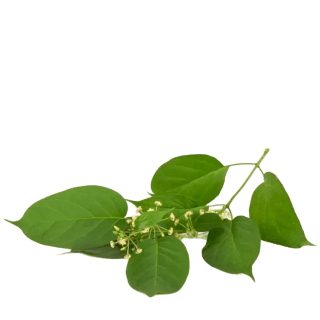
Haronga, scientifically known as Harungana madagascariensis, is a flowering plant native to various African countries, including Madagascar. It is traditionally recognized for its potential medicinal properties, particularly in traditional African and Ayurvedic medicine systems. نبات الهارونغا، المعروف علمياً باسم هارونغانا مدغشقرية، هو نبات مزهر موطنه الأصلي العديد من البلدان الأفريقية، بما في ذلك مدغشقر. ويُعرف تقليدياً بخصائصه الطبية المحتملة، لا سيما في أنظمة الطب الأفريقي التقليدي والأيورفيدا.
Categoryالفئة
• Potential anti-inflammatory
• Potential antimicrobial
• Traditional use for digestive and respiratory health• مضاد محتمل للالتهابات
• مضاد محتمل للميكروبات
• الاستخدام التقليدي لصحة الجهاز الهضمي والتنفسي
Habitatالموطن
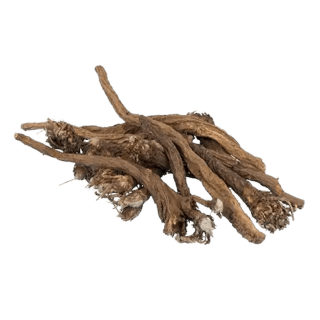
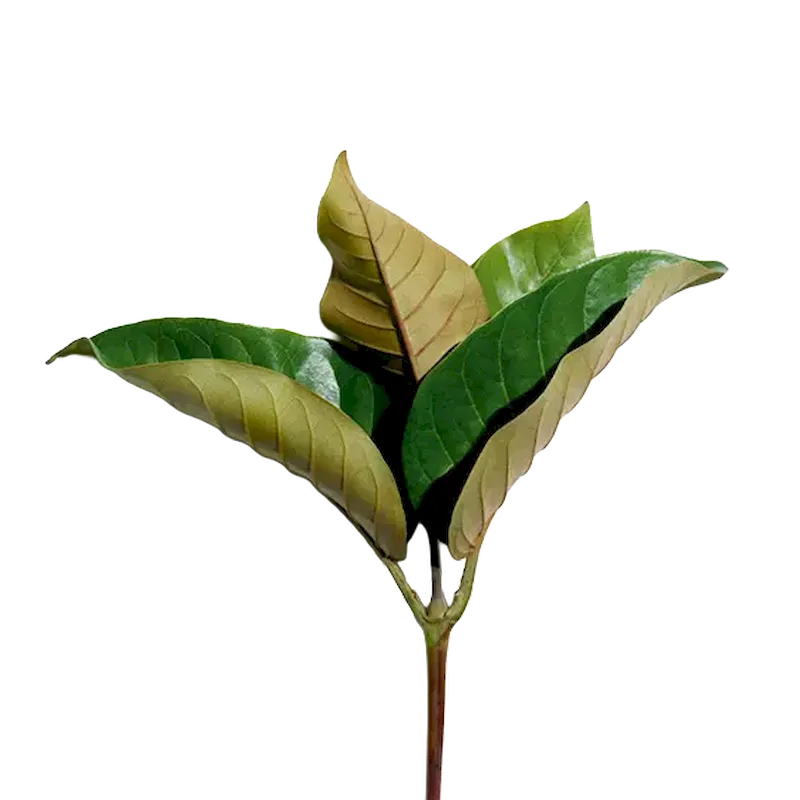
Haronga is commonly found in tropical and subtropical regions of Africa, including Madagascar. It is often grown as an ornamental plant and is also harvested for its bark and leaves, which are used in traditional medicine. Haronga has a history of traditional use in herbal remedies.تنتشر شجرة هارونغا في المناطق الاستوائية وشبه الاستوائية في أفريقيا، بما في ذلك مدغشقر. تُزرع عادةً كنبات زينة، كما تُحصد لحاؤها وأوراقها التي تُستخدم في الطب الشعبي. ولها تاريخ طويل من الاستخدام التقليدي في العلاجات العشبية.
Parts usedالأجزاء المستخدمة
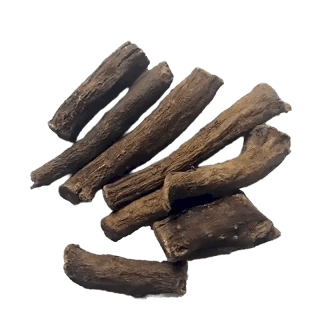
• Bark
• Leaves• اللحاء
• الأوراق
Key constituentsالمكوّنات الفعّالة
• Anthranoids (harunganin, harunganol)
• Xanthones (harungananine, kenganthranol)
• Flavonoids (quercetin, kaempferol)
• Triterpenes (betulinic acid, friedelin)
• Tannins
• Phenolic compounds
• Essential oils
• Resins• الأنثراكينونات (هارونجانين، هارونجانول)
• الزانثونات (هارونجانين، كينجانثرانول)
• الفلافونويدات (كيرسيتين، كامفيرول)
• التريتربينات (حمض بيتولينيك، فريديلين)
• التانينات
• المركبات الفينولية
• الزيوت العطرية
• الراتنجات
Researchالأبحاث
Research on Haronga has explored its chemical constituents, including harungana alkaloids, and their potential anti-inflammatory and antimicrobial effects. It is traditionally used for digestive and respiratory health in African and Ayurvedic medicine. استكشفت الأبحاث التي أُجريت على نبات هارونغا مكوناته الكيميائية، بما في ذلك قلويدات هارونغانا، وتأثيراتها المحتملة المضادة للالتهابات والميكروبات. ويُستخدم تقليديًا في الطب الأفريقي والأيورفيدي لدعم صحة الجهاز الهضمي والتنفسي.
Published researchأبحاث منشورة
↗ Antibacterial activities of the methanol extracts, fractions and compounds from Harungana madagascariensis↗ Bioactive Fractions Isolated from Harungana madagascariensis Lam. and Psorospermum aurantiacum Engl. Regulate Collagen and Melanin Biosynthesis Gene Expression↗ Antibacterial activity of Harungana madagascariensis leaf extractsTraditional useالاستخدام التقليدي
Haronga has a long history of use in traditional African and Ayurvedic medicine systems, where it is employed for various health conditions, including digestive issues and respiratory ailments. It is typically prepared as decoctions, infusions, or extracts.يتمتع نبات هارونغا بتاريخ طويل من الاستخدام في أنظمة الطب الأفريقي التقليدي والأيورفيدا، حيث يُستخدم لعلاج حالات صحية متنوعة، بما في ذلك مشاكل الجهاز الهضمي وأمراض الجهاز التنفسي. ويُحضّر عادةً على شكل مغلي أو منقوع أو مستخلصات.
Current useالاستخدام الحالي
The bark and leaves of Haronga are the primary parts used for their potential medicinal properties. They can be prepared as decoctions, infusions, or extracts and are commonly employed in traditional remedies for digestive and respiratory health. يُعدّ لحاء وأوراق نبات هارونغا الأجزاء الرئيسية المستخدمة لما لها من خصائص طبية محتملة. ويمكن تحضيرها على شكل مغلي أو منقوع أو مستخلصات، وهي شائعة الاستخدام في العلاجات التقليدية لصحة الجهاز الهضمي والتنفسي.
Preparationsالتحضيرات
Decoction, Extract, Infusionمستخلص جاف, مغلي, منقوع
Used for these conditionsيُستخدم لهذه الحالات
Adult dosageجرعة البالغين
Dosage recommendations for Haronga may vary based on the specific product or remedy. It is typically used in appropriate quantities for the intended purpose, such as in decoctions, infusions, or extracts. Consult with a qualified herbalist or healthcare provider for guidance on therapeutic dosages.قد تختلف توصيات جرعات نبات هارونغا باختلاف المنتج أو العلاج المستخدم. ويُستخدم عادةً بكميات مناسبة للغرض المقصود، مثل المغلي أو المنقوع أو المستخلصات. استشر أخصائي أعشاب مؤهلاً أو مقدم رعاية صحية للحصول على إرشادات حول الجرعات العلاجية.
Child dosageجرعة الأطفال
Dosage recommendations for Haronga may vary depending on the specific product or remedy. It is typically used in appropriate quantities for the intended purpose, such as in decoctions, infusions, or extracts. Consult with a qualified herbalist or healthcare provider for guidance on dosages and usage. قد تختلف توصيات الجرعات لنبات هارونغا باختلاف المنتج أو العلاج المحدد. ويُستخدم عادةً بكميات مناسبة للغرض المقصود، مثل المغليات أو المشروبات أو المستخلصات. استشر أخصائي أعشاب مؤهلاً أو مقدم رعاية صحية للحصول على إرشادات حول الجرعات وطريقة الاستخدام.
Cautionتحذيرات
Haronga is generally considered safe when used as directed in traditional herbal preparations. However, as with any herbal remedy, individual reactions may vary. Pregnant or breastfeeding individuals should seek professional guidance before use. يُعتبر نبات هارونغا آمناً بشكل عام عند استخدامه وفقاً للإرشادات في المستحضرات العشبية التقليدية. مع ذلك، وكما هو الحال مع أي علاج عشبي، قد تختلف ردود الفعل الفردية. لذا، يُنصح الحوامل والمرضعات باستشارة الطبيب قبل استخدامه.
Pregnancy & nursingالحمل والرضاعة
Avoid during Pregnancy/Nursingيمنع أثناء الحمل والرضاعة