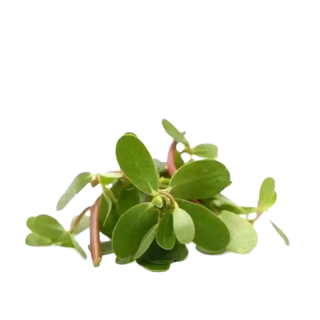
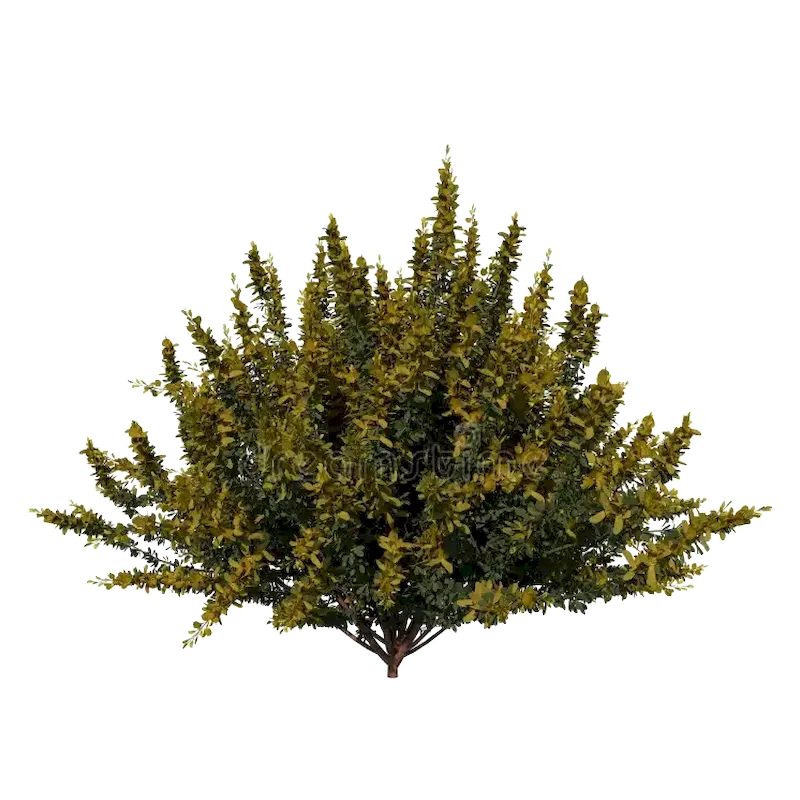
Introductionمقدّمة
Broom, scientifically known as Cytisus scoparius, is a deciduous shrub belonging to the Fabaceae family. It is native to Europe and has naturalized in various parts of North America. Broom is recognized for its vibrant yellow flowers and potential medicinal properties. نبات الكزبرة، المعروف علميًا باسم Cytisus scoparius، هو شجيرة نفضية تنتمي إلى الفصيلة البقولية. موطنها الأصلي أوروبا، وقد استوطنت في مناطق مختلفة من أمريكا الشمالية. تشتهر الكزبرة بأزهارها الصفراء الزاهية وخصائصها الطبية المحتملة.
Categoryالفئة
• Potential diuretic
• Traditional use for cardiac health
• Limited modern research• مدر محتمل للبول
• استخدام تقليدي لصحة القلب
• أبحاث حديثة محدودة
Habitatالموطن
Broom shrubs are typically found in open woodlands, heathlands, and disturbed areas. They are adaptable to various soil types and are sometimes cultivated as ornamental plants. Broom has been traditionally used for its potential therapeutic benefits.توجد شجيرات الكنّاس عادةً في الغابات المفتوحة والأراضي العشبية والمناطق المتضررة. وهي تتكيف مع أنواع التربة المختلفة، وتُزرع أحيانًا كنباتات زينة. وقد استُخدم الكنّاس تقليديًا لفوائده العلاجية المحتملة.
Parts usedالأجزاء المستخدمة
• Aerial parts (stems, leaves, flowers) • الأجزاء الهوائية (السيقان، الأوراق، الأزهار)
Key constituentsالمكوّنات الفعّالة
• Cytisine (quinolizidine alkaloid — ~1–2%; nicotinic receptor agonist; smoking cessation aid, toxic in high doses)
• Sparteine (tetracyclic quinolizidine alkaloid — antiarrhythmic, oxytocic, antispasmodic)
• Lupanine (quinolizidine alkaloid — antiarrhythmic, bitter)
• Scoparin (flavonoid C-glycoside — diuretic, anti-inflammatory)
• Sarothamnoside (flavonoid glycoside — diuretic)
• Vitexin (flavone — antioxidant, cardioprotective)
• Isoscoparin (flavone — anti-inflammatory)
• Tannins (condensed — astringent, antimicrobial)
• Caffeic acid (hydroxycinnamic acid — antioxidant, anti-inflammatory)
• Chlorogenic acid (phenolic acid — antioxidant, hepatoprotective)
• Tyramine (biogenic amine — vasoconstrictor, hypertensive effect)
• Volatile oils (trace — aromatic, mild antiseptic)
• Minerals (potassium, calcium — diuretic support)• السيتيسين (قلويد الكينوليزيدين - حوالي 1-2%؛ منبه لمستقبلات النيكوتين؛ مساعد على الإقلاع عن التدخين، سام بجرعات عالية)
• السبارتين (قلويد الكينوليزيدين رباعي الحلقات - مضاد لاضطراب النظم، محفز للرحم، مضاد للتشنج)
• اللوبانين (قلويد الكينوليزيدين - مضاد لاضطراب النظم، مر)
• السكوبارين (جليكوسيد الفلافونويد C - مدر للبول، مضاد للالتهابات)
• الساروثامنوسيد (جليكوسيد الفلافونويد - مدر للبول)
• الفيتكسين (فلافون - مضاد للأكسدة، واقٍ للقلب)
• الإيزوسكوبارين (فلافون - مضاد للالتهابات)
• التانينات (مكثفة - قابضة، مضادة للميكروبات)
• حمض الكافيين (حمض الهيدروكسي سيناميك - مضاد للأكسدة، مضاد للالتهابات)
• حمض الكلوروجينيك (حمض فينولي - مضاد للأكسدة، واقٍ للكبد)
• التيرامين (أمين حيوي - (مُضيِّق للأوعية الدموية، تأثير رافع لضغط الدم)
• زيوت طيارة (آثار - عطرية، مطهر خفيف)
• معادن (بوتاسيوم، كالسيوم - دعم مدر للبول)
Researchالأبحاث
Research on Broom has primarily focused on its chemical constituents, including alkaloids like cytisine, and its potential diuretic and cardiac effects. It is traditionally used for conditions related to the heart and as a diuretic.ركزت الأبحاث على نبات الكناسة بشكل أساسي على مكوناته الكيميائية، بما في ذلك القلويدات مثل السيتيسين، وتأثيراته المحتملة كمدر للبول ومفيد للقلب. ويُستخدم تقليديًا لعلاج الحالات المتعلقة بالقلب وكمدر للبول.
Published researchأبحاث منشورة
↗ 17 Oxo Sparteine and Lupanine, Obtained from Cytisus scoparius, Exert a Neuroprotection against Soluble Oligomers of Amyloid-β Toxicity↗ [Sarothamnus scoparius W. (Spartium scoparium L). Broom and its relationship to the cardiovascular system]↗ Potential use of Cytisus scoparius extracts in topical applicationsTraditional useالاستخدام التقليدي
Broom has a history of use in traditional medicine, particularly in European herbal traditions. It has been employed for its potential benefits on cardiac health and as a diuretic. Broom extracts are used in herbal remedies for various purposes. للنبات القُطْب تاريخ طويل من الاستخدام في الطب التقليدي، وخاصة في التقاليد العشبية الأوروبية. وقد استُخدم لفوائده المحتملة على صحة القلب وكمدر للبول. وتُستخدم مستخلصات القُطْب في العلاجات العشبية لأغراض متنوعة.
Current useالاستخدام الحالي
Broom's aerial parts, including stems, leaves, and flowers, are used for their potential therapeutic properties. They can be prepared as infusions, tinctures, or incorporated into traditional remedies. تُستخدم الأجزاء الهوائية لنبات الكناسة، بما في ذلك السيقان والأوراق والأزهار، لخصائصها العلاجية المحتملة. ويمكن تحضيرها على شكل مشروبات أو صبغات، أو إضافتها إلى العلاجات التقليدية.
Preparationsالتحضيرات
Extract, Infusion, Tinctureخلاصة سائلة, مستخلص جاف, منقوع
Used for these conditionsيُستخدم لهذه الحالات
Adult dosageجرعة البالغين
Dosage recommendations for Broom in traditional remedies may vary based on the specific product or preparation. It is advisable to consult with a qualified herbalist or healthcare provider for guidance on dosages and usage.قد تختلف توصيات جرعات نبات الكنّاس في العلاجات التقليدية باختلاف المنتج أو المستحضر. يُنصح باستشارة أخصائي أعشاب مؤهل أو مقدم رعاية صحية للحصول على إرشادات حول الجرعات وطريقة الاستخدام.
Child dosageجرعة الأطفال
Dosage recommendations for Broom may vary depending on the specific product or remedy. It is advisable to consult with a qualified herbalist or healthcare provider for guidance on dosages and usage. قد تختلف توصيات الجرعات لنبات الكناسة باختلاف المنتج أو العلاج المحدد. يُنصح باستشارة أخصائي أعشاب مؤهل أو مقدم رعاية صحية للحصول على إرشادات بشأن الجرعات وطريقة الاستخدام.
Cautionتحذيرات
Broom contains cytisine, sparteine and tyramine and can be toxic. It is contraindicated in high blood pressure and in AV-conduction/heart-rhythm disorders (sparteine is cardioactive), and must NOT be used with MAO-inhibitor drugs — the tyramine content can trigger a hypertensive crisis. Avoid in pregnancy (sparteine is a uterine stimulant). Use only under professional supervision.يحتوي نبات القُطْب على السيتيسين والسبارتين والتيرامين وقد يكون ساماً. يُمنع استخدامه في حالات ارتفاع ضغط الدم واضطرابات نظم/توصيل القلب (السبارتين مؤثر على القلب)، ويجب عدم استخدامه مع أدوية مثبطات أكسيداز أحادي الأمين (MAOI) لأن محتواه من التيرامين قد يُسبب نوبة ارتفاع حاد في ضغط الدم. يُتجنب أثناء الحمل (السبارتين مُنبّه للرحم). لا يُستخدم إلا تحت إشراف مختص.
Pregnancy & nursingالحمل والرضاعة
Avoid during Pregnancy/Nursingيمنع أثناء الحمل والرضاعة