Introductionمقدّمة
Tamus communis (Dioscorea communis, black bryony) is a POISONOUS climbing vine. Its large tuber was rubbed externally on bruises and sprains in folk medicine, but the whole plant — especially the red berries and tuber — is toxic and intensely irritant (it contains sharp calcium-oxalate needles). This entry stresses its toxicity.الفَاشِرَا السوداء (Tamus communis، وتُعرَف Dioscorea communis) كرمةٌ متسلّقة سامّة. وكانت درنتها الكبيرة تُفرَك خارجياً على الكدمات والالتواء في الطبّ الشعبي، لكن النبتة كلّها — خاصّةً الثمار الحمراء والدرنة — سامّة وشديدة التهييج (تحوي إبَر أكسالات كالسيوم حادّة). وهذه المدخلة تُبرِز سُميّتها.
Categoryالفئة
• POISONOUS climbing vine
• Traditional external bruise rub (folk)
• Contains calcium-oxalate needles — severe irritant
• Berries & tuber TOXIC
• Included for safety information• كرمةٌ متسلّقة سامّة
• دهانُ كدماتٍ خارجيّ تقليدي (شعبي)
• تحوي إبَر أكسالات كالسيوم — مُهيِّج شديد
• الثمار والدرنة سامّة
• مُدرَجة للمعلومة الأمنية
Habitatالموطن
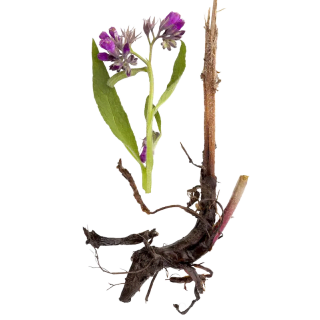
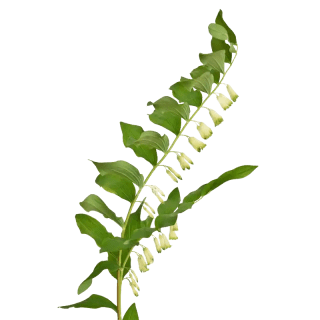
A twining vine with heart-shaped glossy leaves and strings of red berries, on hedges and woodland edges across Europe, North Africa and West Asia.كرمةٌ ملتفّة بأوراقٍ قلبية لمّاعة وعناقيد ثمارٍ حمراء، على الأسيجة وحواف الغابات عبر أوروبا وشمال إفريقيا وغرب آسيا.
Parts usedالأجزاء المستخدمة
• Tuber (external only, historically)• الدرنة (خارجياً فقط، تاريخياً)
Key constituentsالمكوّنات الفعّالة
• Calcium oxalate raphides (needle crystals)
• Saponins
• Histamine-releasing compounds
• Phenanthrenes
• Tannins• إبَر أكسالات الكالسيوم (بلّورات إبرية)
• صابونينات
• مركّبات مُطلِقة للهيستامين
• فينانثرينات
• عفص
Researchالأبحاث
Black bryony rhizome contains phenanthrenes and other compounds with anti-inflammatory activity in studies, which underlies the old external use for bruises — but the plant is also documented to cause severe contact dermatitis (blistering) and is poisonous if eaten, thanks to calcium-oxalate needles and saponins. Its risks far outweigh any benefit; it is not a safe home remedy.يحوي جذمور الفَاشِرَا السوداء فينانثرينات ومركّباتٍ أخرى ذات نشاطٍ مضاد للالتهاب في الدراسات، وهو ما يفسّر الاستعمال الخارجي القديم للكدمات — لكن النبتة موثّقة أيضاً بإحداث التهاب جلدٍ تماسّيّ شديد (تبثّر) وهي سامّة إن أُكِلت، بفضل إبَر أكسالات الكالسيوم والصابونينات. ومخاطرها تفوق أيّ فائدة؛ وليست علاجاً منزلياً آمناً.
Published researchأبحاث منشورة
Traditional useالاستخدام التقليدي
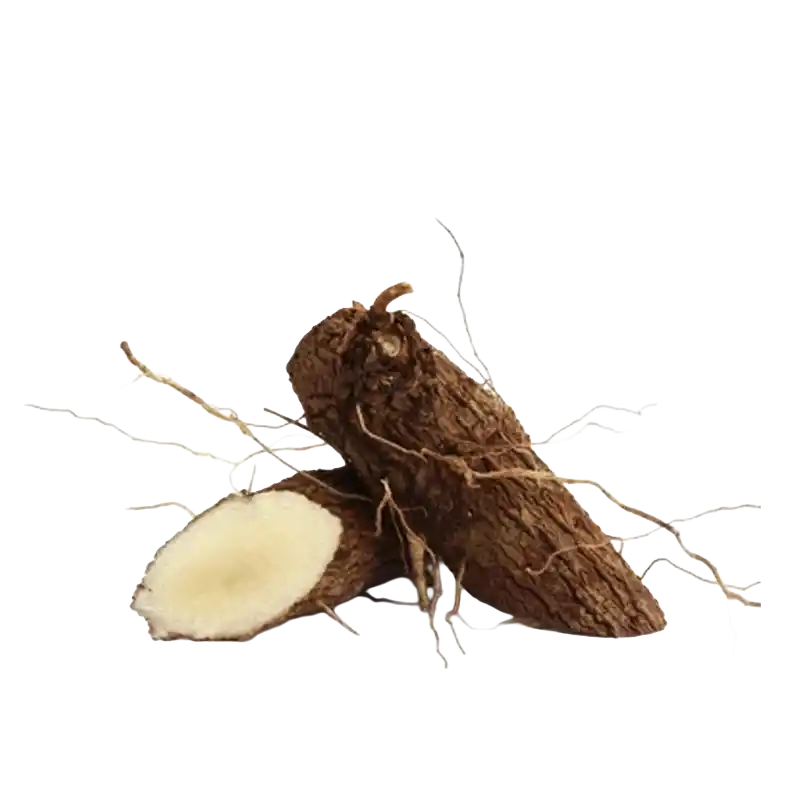
Historically the fresh tuber was scraped and rubbed on bruises, sprains and chilblains as a counter-irritant 'bruise root' — a hazardous practice — and it was regarded as a poison to avoid. No safe internal use.تاريخياً كانت الدرنة الطازجة تُكشَط وتُفرَك على الكدمات والالتواء والشُّقاق مُضادّاً للتهيّج «جذر الكدمات» — وهي ممارسةٌ خطيرة — وعُدَّت سُمّاً يُتجنَّب. ولا استعمال داخليّ آمن.
Current useالاستخدام الحالي
Not recommended. Listed for identification and safety; any historic external use is hazardous.لا يُنصَح به. مُدرَج للتعرّف والسلامة؛ وأيّ استعمالٍ خارجي تاريخيّ خطير.
Preparationsالتحضيرات
None (poisonous — do not use)لا شيء (سامّ — لا يُستعمل)
Used for these conditionsيُستخدم لهذه الحالات
Adult dosageجرعة البالغين
Do not use — poisonous and severely irritant.لا يُستعمل — سامّ وشديد التهييج.
Child dosageجرعة الأطفال
Keep away from children — the red berries are poisonous.يُبعَد عن الأطفال — الثمار الحمراء سامّة.
Cautionتحذيرات
POISONOUS and a severe irritant: the red berries and tuber cause burning, blistering and inflammation of skin and mouth (from oxalate needles), and eating them causes serious poisoning — the berries have caused poisoning in children. Do not use it internally, avoid skin contact, and keep the berries away from children and pets.سامّ ومُهيِّج شديد: الثمار الحمراء والدرنة تسبّب حُرقةً وتبثّراً والتهاباً للجلد والفم (من إبَر الأكسالات)، وأكلها يسبّب تسمّماً خطيراً — وقد سبّبت الثمار تسمّماً لدى أطفال. لا تستعمله داخلياً، وتجنّب ملامسة الجلد، وأبعِد الثمار عن الأطفال والحيوانات الأليفة.
Pregnancy & nursingالحمل والرضاعة
Do not use — poisonous.لا يُستعمل — سامّ.