Introductionمقدّمة
Sorbaria sorbifolia (false spiraea, Ural false spiraea) is a hardy rose-family shrub of Siberia and East Asia, grown ornamentally and used in Mongolian/Siberian and Chinese folk medicine for joint pain, rheumatism, injuries and 'cold' conditions. Studies show anti-inflammatory, antioxidant and antimicrobial activity.السوربارية (Sorbaria sorbifolia، شبيهة السبيريا الأورالية) شُجيرةٌ صلبة من فصيلة الورد في سيبيريا وشرق آسيا، تُزرَع للزينة وتُستعمل في الطبّ الشعبي المنغولي/السيبيري والصيني لألم المفاصل والروماتيزم والإصابات وحالات «البرد». وتُظهِر الدراسات نشاطاً مضاداً للالتهاب والأكسدة والميكروبات.
Categoryالفئة
• Ornamental rose-family shrub — folk medicine
• Anti-inflammatory / antioxidant (studied)
• Traditional joint & 'cold' remedy
• Antimicrobial
• Cardiovascular support (preclinical)• شُجيرة زينةٍ من فصيلة الورد — طبٌّ شعبي
• مضاد للالتهاب/الأكسدة (مدروس)
• علاجٌ تقليدي للمفاصل و«البرد»
• مضاد للميكروبات
• دعمٌ قلبيّ وعائيّ (أوّلي)
Habitatالموطن
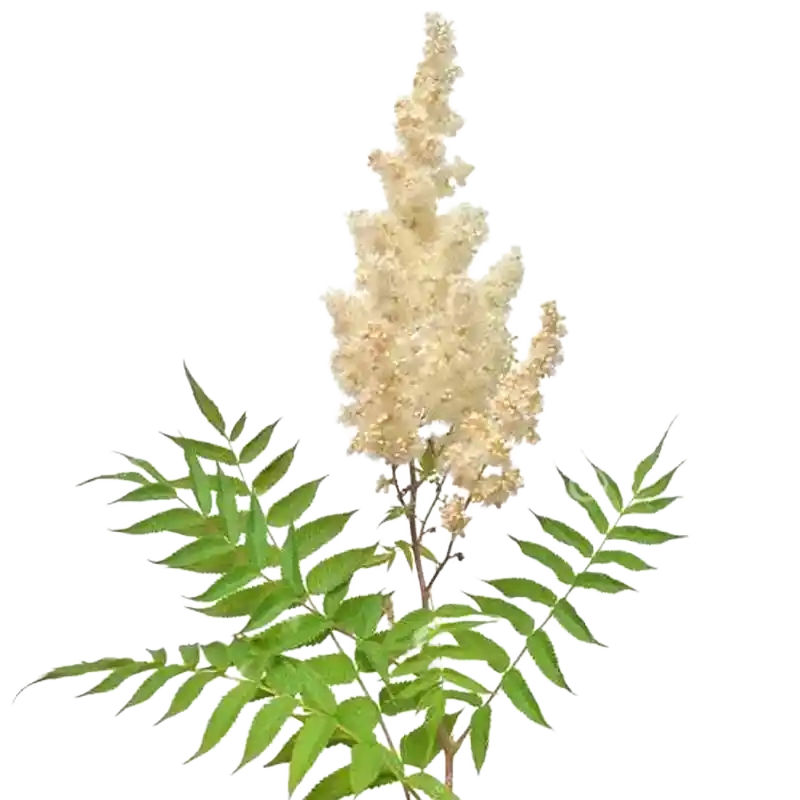
A suckering shrub with feathery ash-like leaves and large plumes of small white flowers, of Siberia, Mongolia, Korea and northern China.شُجيرةٌ مُخلِفة بأوراقٍ ريشية كالدردار وريشٍ كبير من أزهارٍ بيضاء صغيرة، في سيبيريا ومنغوليا وكوريا وشمال الصين.
Parts usedالأجزاء المستخدمة
• Stems/branches
• Leaves
• Flowers• السيقان/الأفرع
• الأوراق
• الأزهار
Key constituentsالمكوّنات الفعّالة
• Flavonoids
• Triterpenes
• Tannins
• Cyanogenic traces (rose family)
• Phenolic acids• فلافونويدات
• تريتربينات
• عفص
• آثار سيانوجينية (فصيلة الورد)
• أحماض فينولية
Researchالأبحاث
Studies of Sorbaria sorbifolia report anti-inflammatory, antioxidant and antimicrobial activity, and traditional-medicine reviews describe its use in Mongolian and Chinese medicine for joint pain, injuries and inflammation, with some cardiovascular-protective effects reported. Robust clinical data are limited, so use rests mainly on tradition and preclinical work.تذكر دراسات السوربارية نشاطاً مضاداً للالتهاب والأكسدة والميكروبات، وتصف مراجعات الطبّ التقليدي استعمالها في الطبّ المنغولي والصيني لألم المفاصل والإصابات والالتهاب، مع بعض التأثيرات الواقية للقلب. وتنقص البيانات السريرية المتينة، فيقوم الاستعمال على التقليد والعمل الأوّلي أساساً.
Published researchأبحاث منشورة
Traditional useالاستخدام التقليدي
Used in Mongolian, Siberian and Chinese folk medicine for joint pain, rheumatism and arthritis, injuries, bruises and fractures, 'cold' and 'wind' conditions, and inflammation; applied externally and taken as a decoction.تُستعمل في الطبّ الشعبي المنغولي والسيبيري والصيني لألم المفاصل والروماتيزم والتهاب المفاصل والإصابات والكدمات والكسور وحالات «البرد» و«الريح» والالتهاب؛ تُوضَع خارجياً وتُؤخَذ مغليّاً.
Current useالاستخدام الحالي
Used in traditional joint and injury remedies; a popular ornamental shrub. Studied for anti-inflammatory compounds.تُستعمل في علاجات المفاصل والإصابات التقليدية؛ شُجيرة زينةٍ شائعة. وتُدرَس لمركّباتها المضادة للالتهاب.
Preparationsالتحضيرات
Stem/leaf decoction, External wash/poulticeمغليّ سيقان/ورق، غسول/لبخة خارجية
Used for these conditionsيُستخدم لهذه الحالات
Adult dosageجرعة البالغين
Stem/leaf decoction in traditional amounts per practitioner; external use for joints and injuries.مغليّ سيقان/ورق بكميات تقليدية بحسب المختصّ؛ واستعمالٌ خارجي للمفاصل والإصابات.
Child dosageجرعة الأطفال
Only under knowledgeable guidance for children.فقط بإرشاد خبير للأطفال.
Cautionتحذيرات
Little modern safety data exist, so use modest amounts under knowledgeable guidance, and prefer external use. Like other rose-family plants it may contain traces of cyanogenic compounds in the seeds/leaves, so do not consume large quantities. Correctly identify the plant.تقلّ بيانات الأمان الحديثة، فاستعمِل كميات معتدلة بإرشاد خبير، وفضِّل الاستعمال الخارجي. وكسائر فصيلة الورد قد تحوي آثار مركّباتٍ سيانوجينية في البذور/الأوراق، فلا تتناول كميات كبيرة. وتعرّف على النبتة بدقّة.
Pregnancy & nursingالحمل والرضاعة
Avoid medicinal doses in pregnancy — not established as safe.تُتجنَّب الجرعات الدوائية في الحمل — غير مثبتة الأمان.