Introductionمقدّمة
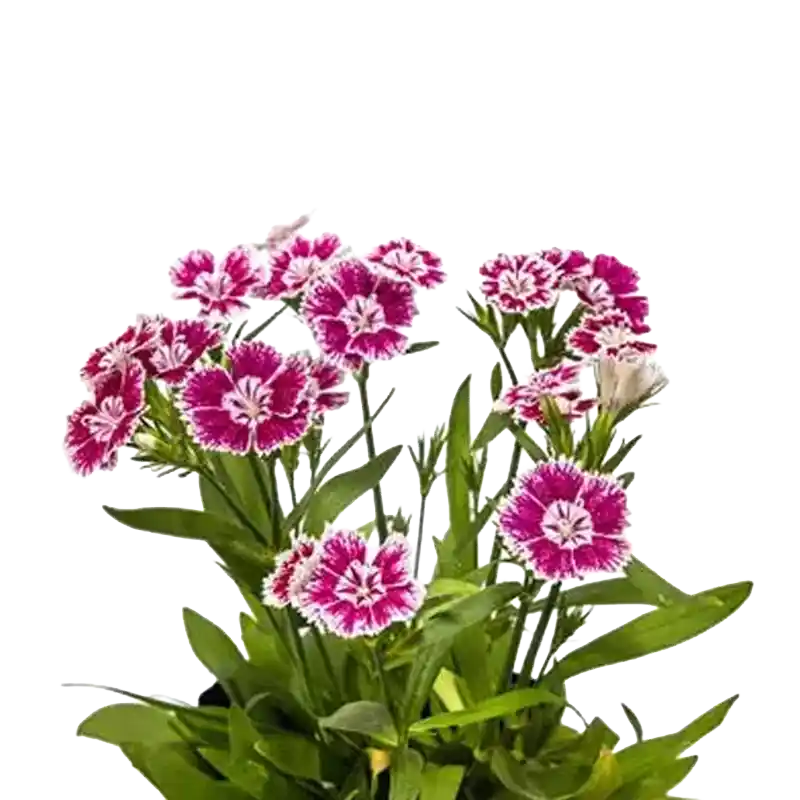
Dianthus chinensis (rainbow/Chinese pink, 'qu mai') is a pink-family flowering herb whose aerial parts are a classic Chinese diuretic used to 'clear damp-heat' from the urinary tract — for painful, hot, difficult or bloody urination, cystitis, urinary stones and 'heat' conditions. Studies report diuretic, anti-inflammatory, antimicrobial and antioxidant activity. ⚠️ It is a traditional uterine stimulant and must be avoided in pregnancy.القرنفل الصيني (Dianthus chinensis، «تشو ماي») عشبة مزهرة من الفصيلة القرنفلية أجزاؤها الهوائية مُدرّ صيني كلاسيكي يُستعمل «لتصفية الرطوبة-الحرارة» من المجاري البولية — للتبوّل المؤلم الحارّ العسير أو الدموي والتهاب المثانة وحصى البول وحالات «الحرارة». وتذكر الدراسات نشاطاً مُدرّاً ومضاداً للالتهاب والميكروبات والأكسدة. ⚠️ وهو منبّهٌ رحميّ تقليدي ويجب تجنّبه في الحمل.
Categoryالفئة
• Diuretic flowering herb (Caryophyllaceae)
• 'Qu mai' — the urinary/'damp-heat' diuretic
• Diuretic, anti-inflammatory & antimicrobial (studied)
• Antioxidant; urinary-stone & painful-urination remedy
• Traditional cystitis, urinary-stone & 'heat' herb
• ⚠️ Uterine-stimulant — avoid in pregnancy• عشبة مزهرة مُدرّة (الفصيلة القرنفلية)
• «تشو ماي» — مُدرّ للبول/«الرطوبة-الحرارة»
• مُدرّة ومضادة للالتهاب والميكروبات (مدروس)
• مضادة للأكسدة؛ علاج لحصى البول والتبوّل المؤلم
• عشبة تقليدية لالتهاب المثانة وحصى البول و«الحرارة»
• ⚠️ منبّهة للرحم — يُتجنّب في الحمل
Habitatالموطن
A pink-family herb with fringed flowers, of grassland and slopes in China and East Asia (also grown ornamentally).عشبة من الفصيلة القرنفلية بأزهارٍ مهدّبة، في المراعي والمنحدرات بالصين وشرق آسيا (وتُزرَع للزينة).
Parts usedالأجزاء المستخدمة
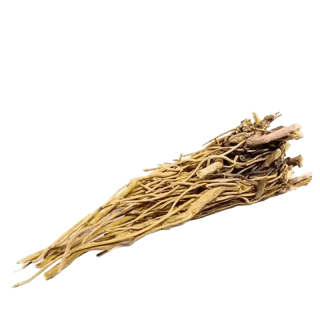
• Aerial parts (flowering) (main)• الأجزاء الهوائية (المزهرة) (رئيسي)
Key constituentsالمكوّنات الفعّالة
• Flavonoids & saponins
• Anthocyanins (flowers)
• Volatile compounds (eugenol-type)
• Phenolic acids
• Antioxidant compounds• فلافونويدات وصابونينات
• أنثوسيانينات (الأزهار)
• مركّبات طيّارة (نوع الأوجينول)
• أحماض فينولية
• مركّبات مضادة للأكسدة
Researchالأبحاث
Dianthus chinensis (qu mai) is documented for diuretic, anti-inflammatory, antimicrobial and antioxidant activity in pharmacological studies of its extracts, supporting its classic use for urinary-tract 'damp-heat', painful urination, cystitis and stones. Evidence is chiefly preclinical; note its recognised uterine-stimulating (traditionally abortifacient) reputation as the key safety concern.القرنفل الصيني (تشو ماي) موثّقٌ لنشاطٍ مُدرّ ومضاد للالتهاب والميكروبات والأكسدة في دراساتٍ دوائية لمستخلصاته، بما يدعم استعماله الكلاسيكي «للرطوبة-الحرارة» البولية والتبوّل المؤلم والتهاب المثانة والحصى. والأدلة أوّلية أساساً؛ ويُلاحَظ سمعته المنبّهة للرحم (المُجهِضة تقليدياً) اعتبارَ السلامة الرئيسي.
Published researchأبحاث منشورة
Traditional useالاستخدام التقليدي
Aerial-part decoction used in Chinese medicine to 'promote urination and clear damp-heat' — for painful, hot, difficult, scanty or bloody urination, cystitis and urinary-tract infections, urinary stones and 'heat' in the bladder, and (traditionally) to move stagnant blood and menstruation; a classic 'qu mai' urinary/diuretic herb.يُستعمل مغلي الأجزاء الهوائية في الطبّ الصيني «لتعزيز التبوّل وتصفية الرطوبة-الحرارة» — للتبوّل المؤلم الحارّ العسير الشحيح أو الدموي والتهاب المثانة وعدوى المجاري البولية وحصى البول و«الحرارة» في المثانة، و(تقليدياً) لتحريك الدم الراكد والطمث؛ عشبة «تشو ماي» بولية/مُدرّة كلاسيكية.
Current useالاستخدام الحالي
A traditional Chinese diuretic and urinary-stone/'damp-heat' herb (qu mai) with researched diuretic, anti-inflammatory and antimicrobial activity; avoided in pregnancy.عشبة صينية تقليدية مُدرّة ولحصى البول/«الرطوبة-الحرارة» (تشو ماي) بنشاطٍ مُدرّ ومضاد للالتهاب والميكروبات مدروس؛ تُتجنّب في الحمل.
Preparationsالتحضيرات
• Aerial-part decoction (qu mai)
• In urinary/'damp-heat' formulas
• Powder (guided)• مغلي الأجزاء الهوائية (تشو ماي)
• في خلطات البول/«الرطوبة-الحرارة»
• مسحوق (مُرشَد)
Used for these conditionsيُستخدم لهذه الحالات
Adult dosageجرعة البالغين
Aerial-part decoction per traditional Chinese practice, with adequate fluids; in urinary formulas.مغلي الأجزاء الهوائية بحسب الممارسة الصينية التقليدية، مع سوائل كافية؛ وفي خلطات البول.
Child dosageجرعة الأطفال
Use only with professional guidance.يُستعمل فقط بإرشاد مختصّ.
Cautionتحذيرات
⚠️ Contraindicated in pregnancy (uterine-stimulating/abortifacient). Take diuretic doses with adequate fluids. In TCM it is 'cold and draining', so it may not suit weak, cold digestion or those with spleen 'qi deficiency'. Urinary stones, infections or blood in the urine need proper medical assessment — use as a supportive herb under guidance.⚠️ ممنوعٌ في الحمل (منبّه رحميّ/مُجهِض). وتُؤخَذ الجُرَع المُدرّة مع سوائل كافية. وفي الطبّ الصيني هو «بارد نازل»، فقد لا يناسب الهضم الضعيف البارد أو ذوي «نقص تشي الطحال». وحصى البول أو العدوى أو الدم في البول تحتاج تقييماً طبّياً سليماً — فيُستعمل عشبةً داعمة بإرشاد.
Pregnancy & nursingالحمل والرضاعة
⚠️ Avoid in pregnancy — it is a traditional uterine stimulant/abortifacient and is contraindicated in pregnancy.⚠️ يُتجنَّب في الحمل — فهو منبّهٌ رحميّ/مُجهِض تقليدي وممنوعٌ في الحمل.