
Introductionمقدّمة
Fedia cornucopiae (horn of plenty, sometimes 'African valerian') is a Mediterranean annual of the valerian/honeysuckle family whose tender leaves and shoots are eaten as a salad green, much like corn salad (lamb's lettuce). It is chiefly a nutritious wild/cultivated salad vegetable, with only gentle traditional digestive use.فيديا (Fedia cornucopiae، قرن الوفرة، وتُسمّى أحياناً «الناردين الإفريقي») حولية متوسّطية من فصيلة الناردين/الخمان، تُؤكَل أوراقها وبراعمها الغضّة خضار سلطةٍ كالخسّ الحملي. وهي أساساً خضار سلطةٍ برّي/مزروع مُغذٍّ، باستعمالٍ تقليدي هاضم لطيف فقط.
Categoryالفئة
• Edible salad green (Caprifoliaceae/Valerianaceae)
• Nutritious Mediterranean 'wild lettuce' salad
• Mild digestive & 'cooling' (traditional)
• Antioxidant (leafy greens)
• Gentle food herb• خضار سلطةٍ صالح للأكل (الفصيلة الخمانية/الناردينية)
• سلطة متوسّطية مُغذِّية «كالخسّ البرّي»
• هاضم و«مُبرِّد» خفيف (تقليدي)
• مضاد للأكسدة (خضار ورقي)
• عشبة غذائية لطيفة
Habitatالموطن
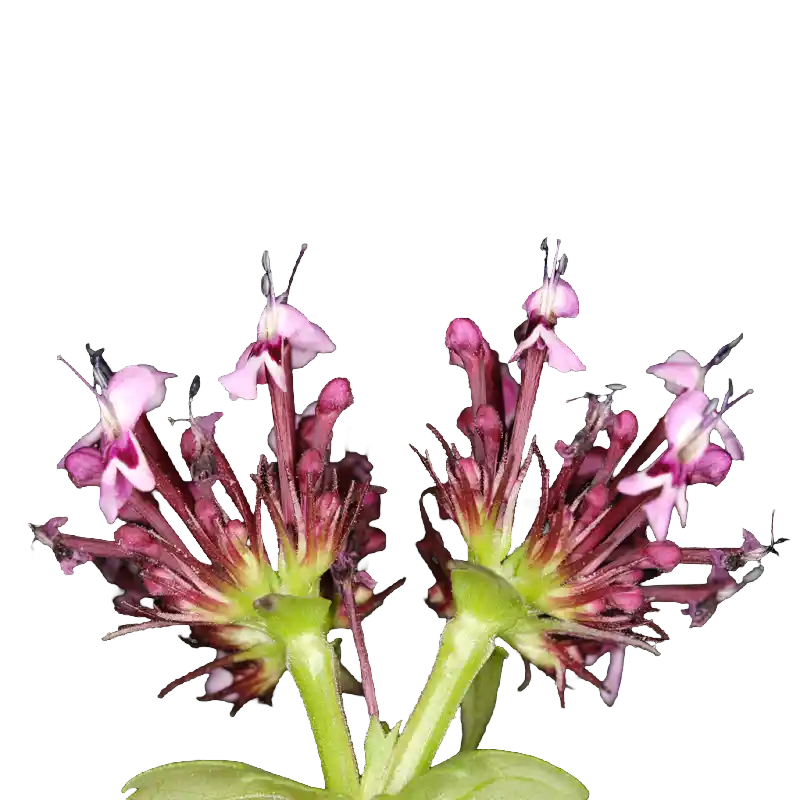
A low annual with pink/tubular flowers, of fields, olive groves and disturbed ground around the Mediterranean and North Africa.حولية منخفضة بأزهارٍ وردية/أنبوبية، في الحقول وبساتين الزيتون والأرض المضطربة حول المتوسّط وشمال إفريقيا.
Parts usedالأجزاء المستخدمة
• Young leaves & shoots (food)• الأوراق والبراعم الغضّة (غذاء)
Key constituentsالمكوّنات الفعّالة
• Vitamins (C, folate) & minerals
• Flavonoids
• Phenolic acids
• Fibre
• Carotenoids• فيتامينات (C، الفولات) ومعادن
• فلافونويدات
• أحماض فينولية
• ألياف
• كاروتينويدات
Researchالأبحاث
Fedia cornucopiae is chiefly documented as an edible Mediterranean salad green valued for vitamins, minerals and antioxidant phenolics, comparable to corn salad; it has little dedicated pharmacological literature and only gentle traditional medicinal use. Its value is nutritional/culinary. Evidence is limited.فيديا موثّقة أساساً خضار سلطةٍ متوسّطياً صالحاً للأكل يُقدَّر لفيتاميناته ومعادنه وفينولاته المضادة للأكسدة، شبيهاً بالخسّ الحملي؛ ولها أدبٌ دوائي مخصوص قليل واستعمالٌ طبي تقليدي لطيف فقط. وقيمتها غذائية/طهيّة. والأدلة محدودة.
Published researchأبحاث منشورة
Traditional useالاستخدام التقليدي
Tender leaves and shoots eaten raw in salads and lightly cooked as a Mediterranean/North African wild green; used in gentle folk practice as a refreshing, mildly digestive and 'cooling' food, and a mild diuretic.تُؤكَل الأوراق والبراعم الغضّة نيّئةً في السلطات ومطبوخةً قليلاً خضاراً برّياً متوسّطياً/شمال إفريقياً؛ وتُستعمل في ممارسةٍ شعبية لطيفة غذاءً مُنعِشاً هاضماً خفيفاً و«مُبرِّداً» ومُدرّاً خفيفاً.
Current useالاستخدام الحالي
Grown/foraged and sold as a salad green (like corn salad); occasionally a gentle digestive food herb.تُزرَع/تُجنى وتُباع خضار سلطةٍ (كالخسّ الحملي)؛ وأحياناً عشبةً غذائية هاضمة لطيفة.
Preparationsالتحضيرات
• Fresh leaves/shoots (salad)
• Lightly cooked green
• Mixed wild-green dish• أوراق/براعم طازجة (سلطة)
• خضار مطبوخ قليلاً
• طبق خضار برّي مشكّل
Used for these conditionsيُستخدم لهذه الحالات
Adult dosageجرعة البالغين
Leaves/shoots freely as a salad or cooked green; no special medicinal dose needed.الأوراق/البراعم بحرّية سلطةً أو خضاراً مطبوخاً؛ ولا حاجة لجرعةٍ طبية خاصة.
Child dosageجرعة الأطفال
A safe, healthy salad green for children.خضار سلطةٍ آمن صحّي للأطفال.
Cautionتحذيرات
Essentially a salad vegetable and one of the safest plants here — no significant known cautions in food amounts. As with any foraged green, wash it well and be sure of correct identification.في جوهرها خضار سلطةٍ ومن أأمن نباتات هذه المجموعة — لا محاذير معروفة مهمّة بكميات الغذاء. وكأيّ خضارٍ مجنيّ، يُغسَل جيداً ويُتأكَّد من صحّة التمييز.
Pregnancy & nursingالحمل والرضاعة
A safe food green in normal amounts in pregnancy.خضارٌ غذائي آمن بكميات عادية في الحمل.


