
Introductionمقدّمة
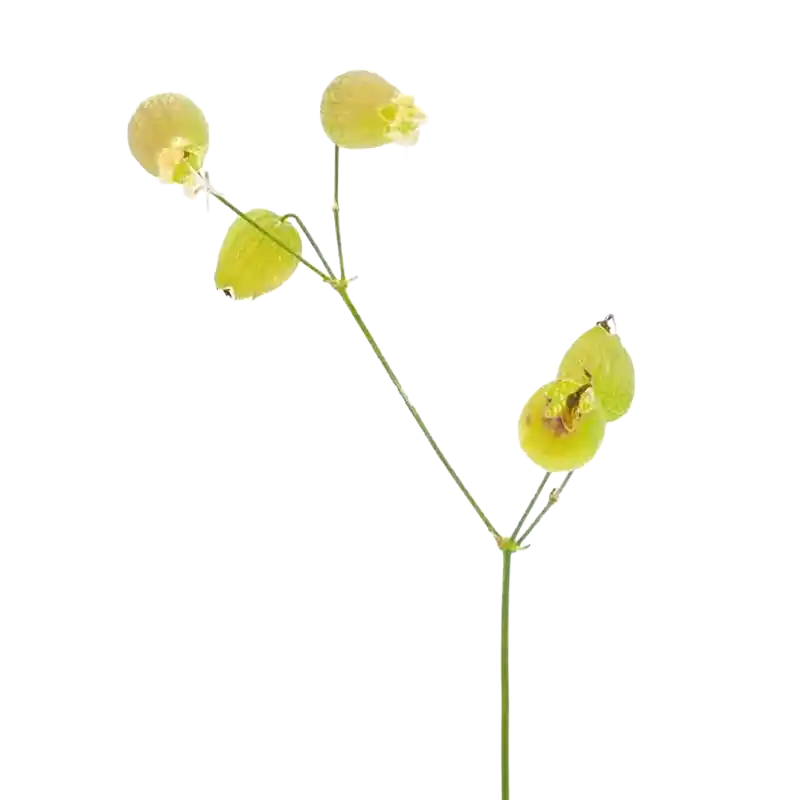
Silene vulgaris (bladder campion) is a wild green with balloon-like flower calyces, whose tender young leaves are a prized edible (eaten like spinach in Mediterranean cooking). Nutritious and antioxidant-rich, it has only minor medicinal use and contains saponins, so it is cooked before eating.القُنَيبِرة المنتفخة (Silene vulgaris) خضار برّيّ بكؤوس أزهارٍ منتفخة كالبالون، أوراقها الفتيّة الطريّة غذاءٌ ثمين (تُؤكَل كالسبانخ في المطبخ المتوسّطي). مغذّية وغنيّة بمضادات الأكسدة، ولها استعمالٌ دوائيّ ثانوي فقط وتحوي صابونينات، فتُطبَخ قبل الأكل.
Categoryالفئة
• Edible wild green
• Nutritious leafy vegetable
• Antioxidant
• Mild traditional emollient
• Contains saponins• خضار برّيّ صالح
• خضار ورقيّ مغذٍّ
• مضاد للأكسدة
• مُطرٍّ تقليديّ خفيف
• تحوي صابونينات
Habitatالموطن
A perennial with inflated, net-veined flower 'bladders' and white flowers, in meadows, fields and waysides across Europe and West Asia.نبتةٌ مُعمّرة بـ«مثاناتِ» أزهارٍ منتفخة شبكية العروق وأزهارٍ بيضاء، في المروج والحقول وحواف الطرق عبر أوروبا وغرب آسيا.
Parts usedالأجزاء المستخدمة
• Young leaves & shoots (cooked)• الأوراق والبراعم الفتيّة (مطبوخة)
Key constituentsالمكوّنات الفعّالة
• Saponins
• Flavonoids
• Vitamins (A, C) & minerals
• Fatty acids
• Phenolic compounds• صابونينات
• فلافونويدات
• فيتامينات (A، C) ومعادن
• أحماض دهنية
• مركّبات فينولية
Researchالأبحاث
Bladder campion is documented mainly as a wild edible green: analyses show it is nutritious, with a good fatty-acid profile, vitamins and antioxidant compounds. Its medicinal use is minor and traditional (a mild emollient and soothing herb). The saponins mean it is cooked, not eaten raw in quantity. Dedicated clinical data are scarce.القُنَيبِرة المنتفخة موثّقة أساساً خضاراً برّياً صالحاً: تُظهِر التحاليل أنها مغذّية بمحتوىً جيّد من الأحماض الدهنية والفيتامينات ومركّبات مضادة للأكسدة. واستعمالها الدوائي ثانوي وتقليدي (مُطرٍّ ومُهدِّئ خفيف). والصابونينات تعني طبخها لا أكلها نيّئة بكثرة. وتندر البيانات السريرية المخصّصة.
Published researchأبحاث منشورة
Traditional useالاستخدام التقليدي
Chiefly a wild food — the young leaves and shoots cooked in soups, omelettes, rice and greens (Spanish 'collejas', Italian 'strigoli'); minor folk use as a mild soothing/emollient herb and eye wash.غذاءٌ برّيّ أساساً — الأوراق والبراعم الفتيّة تُطبَخ في الشوربات والعُجّة والأرز والخضار؛ واستعمالٌ شعبيّ ثانوي مُطرِّياً/مُهدِّئاً خفيفاً وغسولاً للعين.
Current useالاستخدام الحالي
A foraged and cultivated wild vegetable in Mediterranean cooking; minor traditional remedy.خضار برّيّ مجموع ومزروع في المطبخ المتوسّطي؛ علاجٌ تقليديّ ثانوي.
Preparationsالتحضيرات
Cooked wild vegetable, Soup/omelette greenخضار برّيّ مطبوخ، خضار شوربة/عُجّة
Used for these conditionsيُستخدم لهذه الحالات
Adult dosageجرعة البالغين
Eaten as a cooked vegetable; no medicinal dose established.يُؤكَل خضاراً مطبوخاً؛ لا جرعة دوائية محدّدة.
Child dosageجرعة الأطفال
A safe cooked green for children.خضارٌ مطبوخ آمن للأطفال.
Cautionتحذيرات
Safe and nutritious as a cooked green. It contains saponins, so eat the young leaves cooked rather than large amounts raw. Correctly identify it (the inflated flower 'bladder' is distinctive). Gather from clean, unsprayed ground.آمنة ومغذّية خضاراً مطبوخاً. وتحوي صابونينات، فكُل الأوراق الفتيّة مطبوخة لا كميات كبيرة نيّئة. وتعرّف عليها بدقّة («مثانة» الزهرة المنتفخة مميّزة). واجمع من أرضٍ نظيفة غير مرشوشة.
Pregnancy & nursingالحمل والرضاعة
Cooked culinary amounts are considered safe as food.كميات الطهو المطبوخة تُعدّ آمنة طعاماً.


