
Introductionمقدّمة
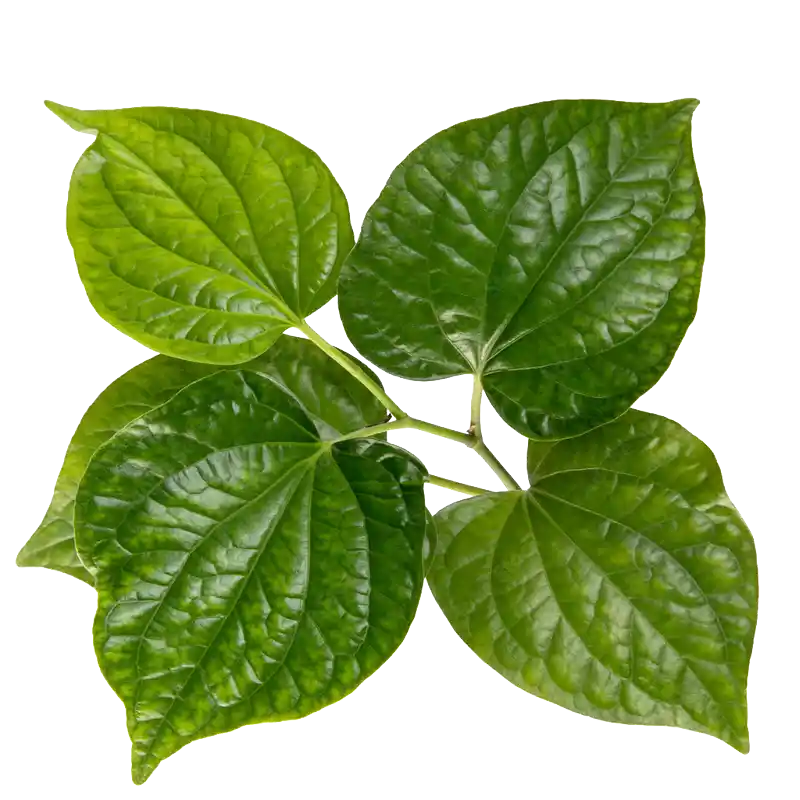
Piper sarmentosum (wild betel leaf, cha plu) is an aromatic pepper-family leaf eaten as a wrap and vegetable across Southeast Asia. Used for the digestion, coughs, joints and diabetes, it shows antidiabetic, antioxidant and anti-inflammatory activity and is studied for bone health.ورق الفلفل البرّي (Piper sarmentosum، تشا بلو) ورقٌ عطريّ من فصيلة الفلفل يُؤكَل لفّاً وخضاراً في جنوب شرق آسيا. يُستعمل للهضم والسعال والمفاصل والسكري، ويُظهِر نشاطاً مضاداً للسكري والأكسدة والالتهاب ويُدرَس لصحّة العظام.
Categoryالفئة
• Aromatic edible betel-family leaf
• Antidiabetic / blood-sugar support (studied)
• Antioxidant / anti-inflammatory
• Antimicrobial
• Digestive & bone-health herb• ورقٌ عطريّ صالح من فصيلة التنبول
• مضاد للسكري/دعمٌ لسكر الدم (مدروس)
• مضاد للأكسدة/الالتهاب
• مضاد للميكروبات
• عشبة هضمٍ وصحّة عظام
Habitatالموطن
A creeping perennial with glossy heart-shaped leaves, of shady, moist ground across tropical Asia; grown as a culinary herb.نبتةٌ مُعمّرة زاحفة بأوراقٍ لمّاعة قلبية، في الأرض الظليلة الرطبة عبر آسيا الاستوائية؛ تُزرَع عشبةً طهوية.
Parts usedالأجزاء المستخدمة
• Leaves
• Roots
• Fruit
• Whole plant• الأوراق
• الجذور
• الثمر
• النبتة كاملة
Key constituentsالمكوّنات الفعّالة
• Amides & pellitorine
• Flavonoids (naringenin)
• Phenylpropanoids
• Essential oil
• Sterols• أميدات وبيليتورين
• فلافونويدات (نارينجينين)
• فينيل بروبانويدات
• زيتٌ طيّار
• ستيرولات
Researchالأبحاث
Studies confirm Piper sarmentosum leaf has antidiabetic (blood-sugar-lowering) and antihyperlipidaemic activity in animal models, plus antioxidant, anti-inflammatory and antimicrobial effects, and it is being investigated for protecting bone in osteoporosis models — supporting its traditional use for diabetes, inflammation and the joints. The leaf is a safe culinary vegetable; medicinal extracts are stronger.تؤكّد الدراسات أن لورق الفلفل البرّي نشاطاً مضاداً للسكري (خافضاً لسكر الدم) وخافضاً للدهون في نماذج الحيوان، مع تأثيراتٍ مضادة للأكسدة والالتهاب والميكروبات، ويُبحَث لحماية العظام في نماذج هشاشتها — بما يدعم استعماله التقليدي للسكري والالتهاب والمفاصل. والورق خضارٌ طهويّ آمن؛ والمستخلصات الدوائية أقوى.
Published researchأبحاث منشورة
Traditional useالاستخدام التقليدي
Eaten as an aromatic wrap and vegetable; used for indigestion, wind and stomach complaints, coughs, colds and fevers, toothache, joint pain and rheumatism, diabetes, and applied to the skin.يُؤكَل لفّاً عطرياً وخضاراً؛ ويُستعمل لعُسر الهضم والريح وشكاوى المعدة والسعال والزكام والحمّى وألم الأسنان وألم المفاصل والروماتيزم والسكري، ويُوضَع على الجلد.
Current useالاستخدام الحالي
A popular culinary leaf and folk remedy; used in teas and extracts for blood sugar and inflammation, and studied scientifically.ورقٌ طهويّ شائع وعلاجٌ شعبي؛ يُستعمل في الشاي والمستخلصات لسكر الدم والالتهاب، ويُدرَس علمياً.
Preparationsالتحضيرات
Culinary leaf, Leaf infusion, Extractورق طهوي، نقيع أوراق، مستخلص
Used for these conditionsيُستخدم لهذه الحالات
Adult dosageجرعة البالغين
Leaves eaten freely as a culinary herb; leaf infusion in moderate amounts for blood sugar, per practice.الأوراق تُؤكَل بحرّية عشبةً طهوية؛ ونقيع أوراق بكميات معتدلة لسكر الدم بحسب الممارسة.
Child dosageجرعة الأطفال
A safe culinary leaf for children.ورقٌ طهويّ آمن للأطفال.
Cautionتحذيرات
Very safe as a culinary leaf. Its blood-sugar-lowering effect can add to diabetes medicines, so monitor if diabetic. Do not confuse it with true betel (Piper betle) chewed with areca nut, which carries cancer risk. Medicinal extracts are stronger — use modestly.آمنٌ جداً ورقاً طهوياً. وقد يُضاف أثره الخافض لسكر الدم إلى أدوية السكري، فراقِب إن كنت سكرياً. ولا تخلطه بالتنبول الحقيقي (Piper betle) الذي يُمضَغ مع جوز الأريكا وله خطر سرطانيّ. والمستخلصات الدوائية أقوى — استعمِلها باعتدال.
Pregnancy & nursingالحمل والرضاعة
Culinary amounts are fine; avoid concentrated medicinal doses in pregnancy.كميات الطهو مقبولة؛ وتُتجنَّب الجرعات الدوائية المركّزة في الحمل.


