Introductionمقدّمة
Dicoma anomala (fever bush, hloenya) is a bitter-rooted southern-African herb widely used for fevers, malaria, stomach and 'blood' complaints, diabetes, colds and pain. Studies confirm antidiabetic, antimalarial, antioxidant, cardioprotective and anticancer-screening activity.عشبة الحمّى (Dicoma anomala، هلوينيا) عشبةٌ جنوب إفريقية مُرّة الجذر تُستعمل واسعاً للحمّى والملاريا وشكاوى المعدة و«الدم» والسكري والزكام والألم. وتؤكّد الدراسات نشاطاً مضاداً للسكري والملاريا والأكسدة وواقياً للقلب وفي فحص السرطان.
Categoryالفئة
• Bitter Basotho tonic root
• Antidiabetic (studied)
• Antimalarial / antimicrobial
• Antioxidant / cardioprotective / anticancer (preclinical)
• Traditional fever, gut & pain remedy• جذرٌ مُرّ مقوٍّ من الباسوتو
• مضاد للسكري (مدروس)
• مضاد للملاريا/الميكروبات
• مضاد للأكسدة/واقٍ للقلب/سرطان (أوّلي)
• علاجٌ تقليدي للحمّى والأمعاء والألم
Habitatالموطن
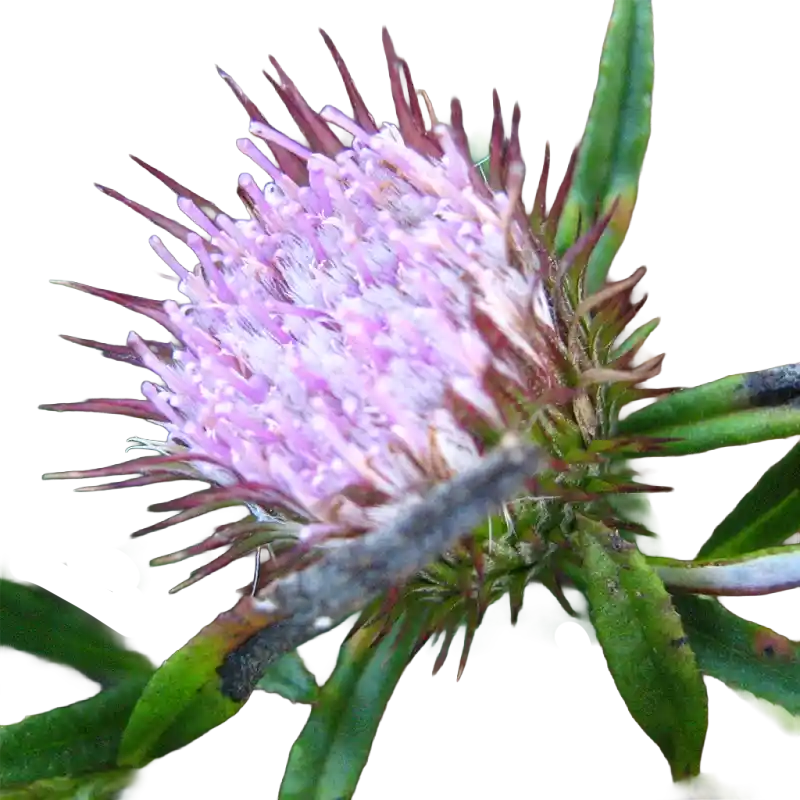
A low perennial herb with a bitter tuberous root and thistle-like flowerheads, of grassland across southern and eastern Africa.عشبةٌ مُعمّرة منخفضة بجذرٍ درنيّ مُرّ ونوراتٍ شبيهة بالشوك، في مروج جنوب وشرق إفريقيا.
Parts usedالأجزاء المستخدمة
• Roots/tuber (mainly)
• Whole plant
• Leaves• الجذور/الدرنة (أساساً)
• النبتة كاملة
• الأوراق
Key constituentsالمكوّنات الفعّالة
• Sesquiterpene lactones (dicomanolide)
• Flavonoids
• Triterpenes
• Tannins
• Phenolic acids• لاكتونات سيسكويتربينية (ديكومانوليد)
• فلافونويدات
• تريتربينات
• عفص
• أحماض فينولية
Researchالأبحاث
Studies show Dicoma anomala root extract lowers post-meal blood sugar and modulates carbohydrate enzymes in diabetic rats, has antioxidant and cardioprotective effects, and shows antiplasmodial (antimalarial) and anticancer-screening activity — supporting its wide traditional use for fevers, diabetes, malaria and pain. Evidence is largely preclinical.تُظهِر الدراسات أن مستخلص جذر عشبة الحمّى يخفض سكر الدم بعد الطعام ويُعدِّل إنزيمات الكربوهيدرات في الجرذان السكرية، وله تأثيراتٌ مضادة للأكسدة وواقية للقلب، ويُظهِر نشاطاً مضاداً للملاريا وفي فحص السرطان — بما يدعم استعماله التقليدي الواسع للحمّى والسكري والملاريا والألم. والأدلة أوّلية غالباً.
Published researchأبحاث منشورة
Traditional useالاستخدام التقليدي
A popular southern-African bitter tonic for fevers and malaria, colds and flu, stomach and abdominal pain, diarrhoea, diabetes, high blood pressure, pain and 'blood' complaints, and used for wounds and after childbirth.مقوٍّ مُرّ جنوب إفريقيّ شائع للحمّى والملاريا والزكام والإنفلونزا وألم المعدة والبطن والإسهال والسكري وارتفاع الضغط والألم وشكاوى «الدم»، ويُستعمل للجروح وبعد الولادة.
Current useالاستخدام الحالي
Widely used in Basotho and southern-African traditional medicine as a bitter root decoction; studied for antidiabetic and antimalarial compounds.يُستعمل واسعاً في طبّ الباسوتو والجنوب إفريقيّ التقليدي مغليّ جذرٍ مُرّ؛ ويُدرَس لمركّباته المضادة للسكري والملاريا.
Preparationsالتحضيرات
Root decoction, Bitter tonic, Powderمغليّ جذر، مقوٍّ مُرّ، مسحوق
Used for these conditionsيُستخدم لهذه الحالات
Adult dosageجرعة البالغين
Root decoction in small traditional amounts per practitioner; intensely bitter.مغليّ جذر بكميات تقليدية صغيرة بحسب المختصّ؛ شديد المرارة.
Child dosageجرعة الأطفال
Only under knowledgeable guidance for children.فقط بإرشاد خبير للأطفال.
Cautionتحذيرات
Generally used safely in traditional amounts. Its blood-sugar- and blood-pressure-lowering effects can add to diabetes and hypertension medicines — monitor if you take them. Because it is used after childbirth and for the womb, avoid during pregnancy. Safety data are limited, so use modest amounts, and seek medical care for malaria.يُستعمل بأمانٍ عموماً بالكميات التقليدية. وقد تُضاف تأثيراته الخافضة لسكر الدم والضغط إلى أدوية السكري وارتفاع الضغط — راقِب إن كنت تتناولها. ولأنه يُستعمل بعد الولادة وللرحم، تجنّبه أثناء الحمل. وبيانات الأمان محدودة، فاستعمِل كميات معتدلة، واطلب الرعاية الطبية للملاريا.
Pregnancy & nursingالحمل والرضاعة
Avoid in pregnancy — used traditionally after childbirth/for the womb, so not during pregnancy.يُتجنَّب في الحمل — يُستعمل تقليدياً بعد الولادة/للرحم، فلا أثناء الحمل.