Introductionمقدّمة
Parkia biglobosa (African locust bean, néré) is a beloved African tree whose fermented seeds make the protein-rich 'dawadawa/soumbala' condiment, and whose bark, leaves and pods are used for high blood pressure, diabetes, the gut, wounds and infections. Studies confirm antihypertensive (ACE-inhibiting), antioxidant and antidiabetic activity.الخرّوب الإفريقي (Parkia biglobosa، نيريه) شجرةٌ إفريقية محبوبة بذورها المخمّرة تصنع توابل «دوَدَوا/سومبالا» الغنيّة بالبروتين، ولحاؤها وأوراقها وقرونها تُستعمل لارتفاع الضغط والسكري والأمعاء والجروح والعدوى. وتؤكّد الدراسات نشاطاً خافضاً للضغط (مثبّطاً لـACE) ومضاداً للأكسدة والسكري.
Categoryالفئة
• Iconic food & medicine tree
• Antihypertensive / ACE-inhibiting (studied)
• Antioxidant
• Antidiabetic / antimicrobial
• Fermented seed condiment ('dawadawa')• شجرة غذاءٍ ودواءٍ أيقونية
• خافض ضغط/مثبّط ACE (مدروس)
• مضاد للأكسدة
• مضاد للسكري/الميكروبات
• توابل بذورٍ مخمّرة («دوَدَوا»)
Habitatالموطن
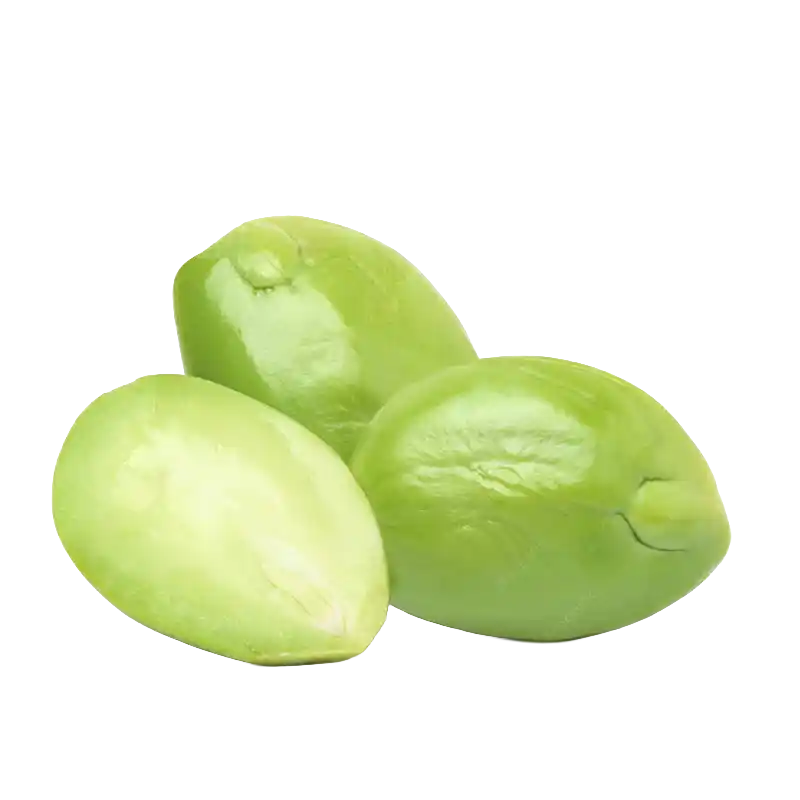
A large spreading savanna tree with red flower balls and long pods full of seeds in a sweet yellow pulp, across West Africa.شجرةٌ سافانا كبيرة منتشرة بكراتِ أزهارٍ حمراء وقرونٍ طويلة مليئة بالبذور في لبٍّ أصفر حلو، عبر غرب إفريقيا.
Parts usedالأجزاء المستخدمة
• Seeds (fermented)
• Bark
• Leaves
• Pods/pulp
• Roots• البذور (مخمّرة)
• اللحاء
• الأوراق
• القرون/اللبّ
• الجذور
Key constituentsالمكوّنات الفعّالة
• Free phenolics & flavonoids
• Tannins
• Protein & amino acids (seeds)
• Saponins
• Sugars & vitamin C (pulp)• فينولات حرّة وفلافونويدات
• عفص
• بروتين وأحماض أمينية (البذور)
• صابونينات
• سكّريات وفيتامين C (اللبّ)
Researchالأبحاث
Studies show free phenolics from African locust bean inhibit angiotensin-converting enzyme (ACE) and have strong antioxidant activity — a plausible basis for its traditional use in high blood pressure — and reviews document antidiabetic, antimicrobial and anti-inflammatory effects, plus the improved nutraceutical value of the fermented seed condiment. The food uses are safe and valued; medicinal doses need more caution.تُظهِر الدراسات أن الفينولات الحرّة من الخرّوب الإفريقي تثبّط الإنزيم المحوّل للأنجيوتنسين (ACE) ولها نشاطٌ قويّ مضاد للأكسدة — أساسٌ محتمل لاستعماله التقليدي لارتفاع الضغط — وتوثّق المراجعات تأثيراتٍ مضادة للسكري والميكروبات والالتهاب، وتحسّن القيمة الغذائية-الدوائية لتوابل البذور المخمّرة. والاستعمالات الغذائية آمنة وقيّمة؛ والجرعات الدوائية تحتاج حذراً أكبر.
Published researchأبحاث منشورة
Traditional useالاستخدام التقليدي
The fermented seeds ('dawadawa/soumbala/iru') are a staple protein-rich condiment; the bark, leaves and roots are used for high blood pressure, diabetes, diarrhoea and stomach complaints, wounds, ulcers and skin infections, and fevers, and the sweet pod pulp is eaten.البذور المخمّرة («دوَدَوا/سومبالا/إيرو») توابل أساسية غنيّة بالبروتين؛ واللحاء والأوراق والجذور تُستعمل لارتفاع الضغط والسكري والإسهال وشكاوى المعدة والجروح والقروح وعدوى الجلد والحمّى، ولبّ القرون الحلو يُؤكَل.
Current useالاستخدام الحالي
A major food (fermented condiment and fruit pulp); the bark/leaf used in traditional remedies for blood pressure and the gut, and studied scientifically.غذاءٌ رئيس (توابل مخمّرة ولبّ ثمر)؛ واللحاء/الورق يُستعمل في علاجات الضغط والأمعاء التقليدية، ويُدرَس علمياً.
Preparationsالتحضيرات
Fermented seed condiment (food), Pod pulp, Bark/leaf decoctionتوابل بذورٍ مخمّرة (غذاء)، لبّ قرون، مغليّ لحاء/ورق
Used for these conditionsيُستخدم لهذه الحالات
Adult dosageجرعة البالغين
Fermented seeds and pulp eaten as food; bark/leaf decoction in traditional amounts for medicine.البذور المخمّرة واللبّ تُؤكَل طعاماً؛ ومغليّ لحاء/ورق بكميات تقليدية للدواء.
Child dosageجرعة الأطفال
The fermented condiment and pulp are safe, nutritious foods for children.التوابل المخمّرة واللبّ أغذيةٌ آمنة مغذّية للأطفال.
Cautionتحذيرات
The food uses (condiment, pulp) are very safe and nutritious. Because the bark/leaf can lower blood pressure and blood sugar, medicinal doses may add to blood-pressure and diabetes medicines — monitor and coordinate with a doctor. The tannin-rich bark can upset the stomach in large amounts.الاستعمالات الغذائية (التوابل، اللبّ) آمنة ومغذّية جداً. ولأن اللحاء/الورق قد يخفض الضغط وسكر الدم، فقد تُضاف الجرعات الدوائية إلى أدوية الضغط والسكري — راقِب ونسِّق مع الطبيب. وقد يُزعِج اللحاء الغنيّ بالتانين المعدة بالكميات الكبيرة.
Pregnancy & nursingالحمل والرضاعة
Food amounts are safe; avoid concentrated bark/root medicinal doses in pregnancy.كميات الطعام آمنة؛ وتُتجنَّب جرعات اللحاء/الجذر الدوائية المركّزة في الحمل.