Introductionمقدّمة
Terminalia sericea (silver cluster-leaf) is a silvery-leaved African tree whose roots and bark are widely used for diarrhoea, stomach complaints, wounds, diabetes and infections. Studies confirm antidiabetic, antibacterial, antioxidant and anti-inflammatory activity.التيرمينالِيا الفضّية (Terminalia sericea) شجرةٌ إفريقية فضّية الأوراق يُستعمل جذرها ولحاؤها واسعاً للإسهال وشكاوى المعدة والجروح والسكري والعدوى. وتؤكّد الدراسات نشاطاً مضاداً للسكري والجراثيم والأكسدة والالتهاب.
Categoryالفئة
• African cluster-leaf — root & bark medicine
• Antidiabetic (studied)
• Antimicrobial / antibacterial
• Antioxidant / anti-inflammatory
• Traditional gut, wound & diabetes remedy• تيرمينالِيا إفريقية — دواء جذر ولحاء
• مضاد للسكري (مدروس)
• مضاد للميكروبات/الجراثيم
• مضاد للأكسدة/الالتهاب
• علاجٌ تقليدي للأمعاء والجروح والسكري
Habitatالموطن
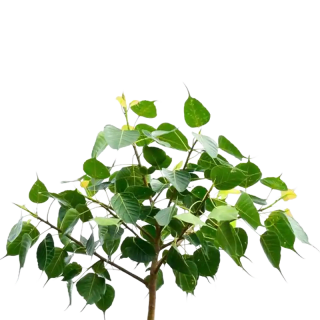
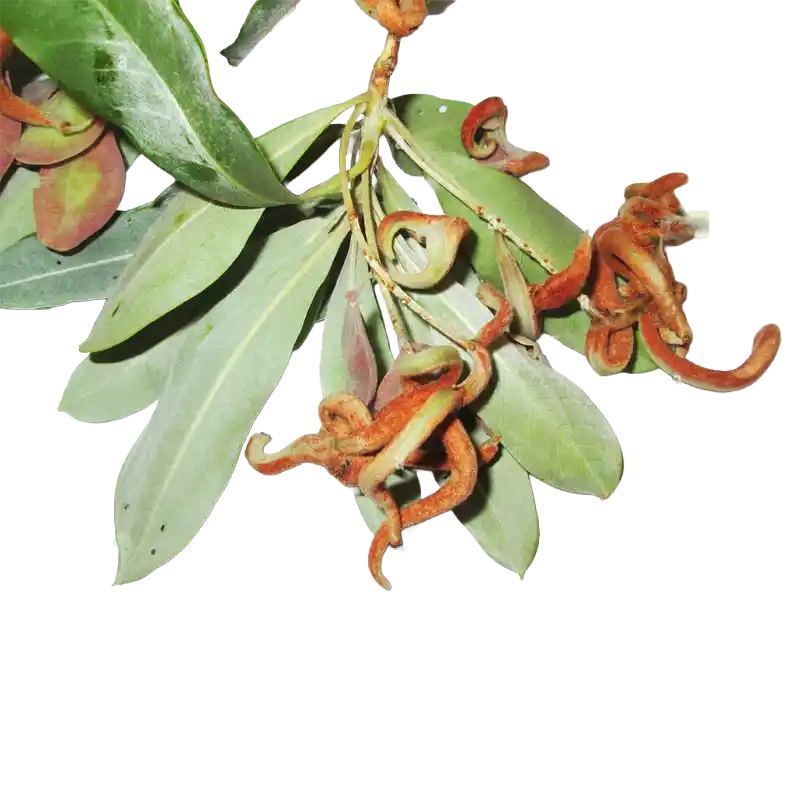
A small to medium tree with silvery, clustered leaves and spikes of cream flowers, of savanna and sandy soils across southern and eastern Africa.شجرةٌ صغيرة إلى متوسطة بأوراقٍ فضّية متجمّعة وسنابل أزهارٍ كريمية، في السافانا والتربة الرملية عبر جنوب وشرق إفريقيا.
Parts usedالأجزاء المستخدمة
• Roots
• Bark
• Leaves• الجذور
• اللحاء
• الأوراق
Key constituentsالمكوّنات الفعّالة
• Triterpenes (sericic/sericoside)
• Tannins & ellagitannins
• Flavonoids
• Stilbenes
• Phenolic acids• تريتربينات (سيريسيك/سيريكوزيد)
• عفص وإيلاجيتانينات
• فلافونويدات
• ستيلبينات
• أحماض فينولية
Researchالأبحاث
Studies identified antidiabetic constituents in Terminalia sericea that lower blood sugar, and reviews document its antibacterial, antioxidant and anti-inflammatory activity, plus hepatoprotective effects — supporting its traditional use for diabetes, diarrhoea, wounds and infections. Like other Terminalia species, it is tannin- and triterpene-rich. Evidence is largely preclinical.حدّدت الدراسات مكوّناتٍ مضادة للسكري في التيرمينالِيا الفضّية تخفض سكر الدم، وتوثّق المراجعات نشاطها المضاد للجراثيم والأكسدة والالتهاب وتأثيراتٍ واقية للكبد — بما يدعم استعمالها التقليدي للسكري والإسهال والجروح والعدوى. وكسائر أنواع التيرمينالِيا، هي غنيّة بالتانين والتريتربين. والأدلة أوّلية غالباً.
Published researchأبحاث منشورة
Traditional useالاستخدام التقليدي
Used across Africa for diarrhoea, dysentery and stomach complaints, diabetes, wounds, sores and skin conditions, coughs and colds, and as a remedy for infections and 'blood' problems.تُستعمل في إفريقيا للإسهال والزحار وشكاوى المعدة والسكري والجروح والقروح والأمراض الجلدية والسعال والزكام، ودواءً للعدوى ومشكلات «الدم».
Current useالاستخدام الحالي
Used in African traditional medicine as root/bark decoctions; studied for antidiabetic and antimicrobial compounds.تُستعمل في الطبّ التقليدي الإفريقي مغليّ جذر/لحاء؛ وتُدرَس لمركّباتها المضادة للسكري والميكروبات.
Preparationsالتحضيرات
Root/bark decoction, Wash, Powderمغليّ جذر/لحاء، غسول، مسحوق
Used for these conditionsيُستخدم لهذه الحالات
Adult dosageجرعة البالغين
Root/bark decoction in traditional amounts per practitioner; no standardised dose.مغليّ جذر/لحاء بكميات تقليدية بحسب المختصّ؛ لا جرعة موحّدة.
Child dosageجرعة الأطفال
Only under knowledgeable guidance for children.فقط بإرشاد خبير للأطفال.
Cautionتحذيرات
Generally used safely in traditional amounts. Its blood-sugar-lowering effect can add to diabetes medicines (monitor if diabetic), and the tannin-rich root/bark can upset the stomach in large doses. Safety data are limited, so use modest amounts. Prefer sustainable sources, as root harvesting is hard on the tree.تُستعمل بأمانٍ عموماً بالكميات التقليدية. وقد يُضاف أثرها الخافض لسكر الدم إلى أدوية السكري (راقِب إن كنت سكرياً)، وقد يُزعِج الجذر/اللحاء الغنيّ بالتانين المعدة بالجرعات الكبيرة. وبيانات الأمان محدودة، فاستعمِل كميات معتدلة. وفضِّل المصادر المستدامة، فجمع الجذر يُرهِق الشجرة.
Pregnancy & nursingالحمل والرضاعة
Avoid medicinal doses in pregnancy — not established as safe.تُتجنَّب الجرعات الدوائية في الحمل — غير مثبتة الأمان.