
Introductionمقدّمة
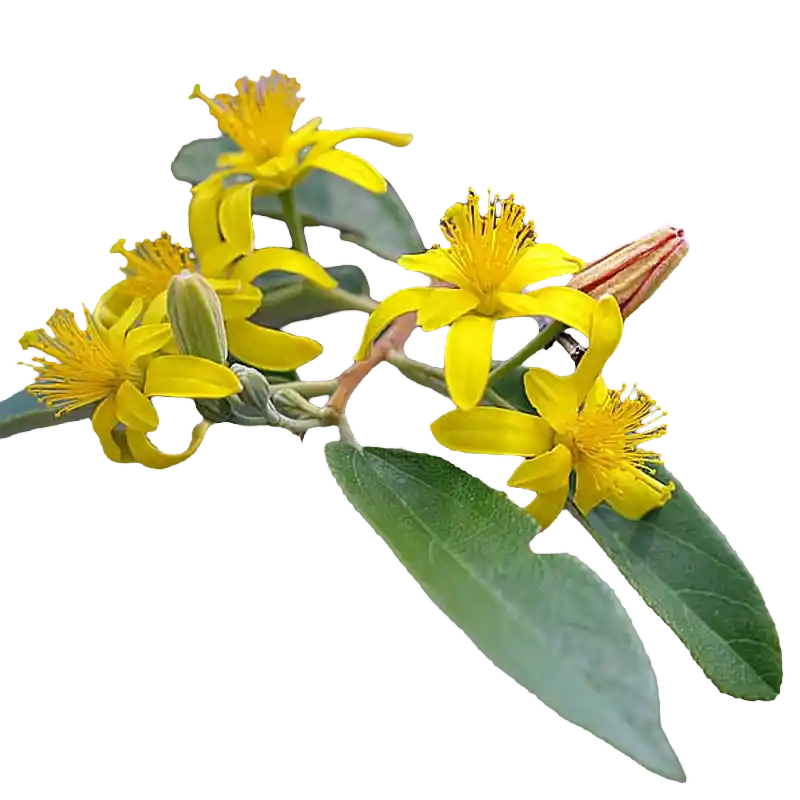
Grewia bicolor (white raisin, bastard brandy bush) is a common African and Arabian savanna shrub with small edible sweet berries. Its fruit, leaves, bark and roots are a broad folk medicine for digestive complaints, infections, coughs and wounds, and the fruit is a valued wild food; extracts show antimicrobial and antioxidant activity.الجرويا ثنائية اللون (Grewia bicolor) جُنَيبة سافانا إفريقية وعربية شائعة بثمارٍ صغيرة حلوة صالحة للأكل. وثمرها وأوراقها ولحاؤها وجذورها دواءٌ شعبي عريض للشكاوى الهضمية والعدوى والسعال والجروح، والثمر غذاءٌ برّيّ مُقدَّر؛ وتُظهر المستخلصات نشاطاً مضاداً للميكروبات والأكسدة.
Categoryالفئة
• African savanna fruit & medicinal shrub
• Antimicrobial & antioxidant
• Digestive & antidiarrhoeal
• Nutritious edible fruit
• Wound & general folk tonic• جُنَيبة ثمرية طبية من سافانا إفريقيا
• مضادّة للميكروبات والأكسدة
• هاضمة ومضادّة للإسهال
• ثمرٌ صالح للأكل مُغذٍّ
• علاجٌ للجروح ومقوٍّ شعبي عام
Habitatالموطن
A shrub or small tree of dry savanna and bushland across Africa, Arabia and into South Asia.جُنَيبة أو شجرة صغيرة في السافانا الجافة والأدغال عبر إفريقيا والجزيرة وحتى جنوب آسيا.
Parts usedالأجزاء المستخدمة
• Fruit
• Leaves
• Bark
• Roots• الثمر
• الأوراق
• اللحاء
• الجذور
Key constituentsالمكوّنات الفعّالة
• Flavonoids
• Tannins
• Alkaloids
• Phenolic acids
• Mucilage & sugars (fruit)• فلافونويدات
• تانينات
• قلويدات
• أحماض فينولية
• مواد هلامية وسكّريات (الثمر)
Researchالأبحاث
Grewia bicolor extracts show antimicrobial and antioxidant activity in laboratory studies, consistent with its wide ethnobotanical use; the genus Grewia is documented for antimicrobial, antioxidant and nutritional properties. Evidence is preclinical and ethnobotanical; the fruit is chiefly valued as a nutritious wild food.تُظهر مستخلصات الجرويا ثنائية اللون نشاطاً مضاداً للميكروبات والأكسدة في الدراسات المخبرية بما يوافق استعمالها الإثنوبوتاني الواسع؛ وجنس الجرويا موثّقٌ بخصائص مضادة للميكروبات والأكسدة وغذائية. والأدلة قبل سريرية وإثنوبوتانية؛ والثمر يُقدَّر أساساً غذاءً برّياً مُغذّياً.
Published researchأبحاث منشورة
Traditional useالاستخدام التقليدي
Fruit eaten as food and made into drinks; leaves, bark and roots used across Africa for diarrhoea and dysentery, stomach and digestive complaints, coughs, colds and chest pain, urinary problems, wounds and skin sores, and as a general strengthening tonic.يُؤكَل الثمر غذاءً ويُصنَع منه شراب؛ وتُستعمل الأوراق واللحاء والجذور عبر إفريقيا للإسهال والزحار وشكاوى المعدة والهضم والسعال والزكام وألم الصدر ومشكلات البول والجروح وقروح الجلد ومقوّياً عاماً.
Current useالاستخدام الحالي
Used as a wild food and folk remedy for digestion, infections and coughs; studied for antimicrobial and antioxidant activity.تُستعمل غذاءً برّياً وعلاجاً شعبياً للهضم والعدوى والسعال؛ وتُدرَس لنشاطها المضاد للميكروبات والأكسدة.
Preparationsالتحضيرات
• Edible fruit / fruit drink
• Leaf/bark/root decoction
• Topical wash/poultice• ثمر صالح للأكل/شراب الثمر
• مغليّ الأوراق/اللحاء/الجذور
• غسول/لبخة موضعية
Used for these conditionsيُستخدم لهذه الحالات
Adult dosageجرعة البالغين
Fruit as food; leaf/bark/root decoction in traditional amounts; per traditional practice.الثمر غذاءً؛ ومغليّ الأوراق/اللحاء/الجذور بكميات تقليدية؛ بحسب الممارسة التقليدية.
Child dosageجرعة الأطفال
Fruit is a common children's food; medicinal preparations only with guidance.الثمر غذاءٌ شائع للأطفال؛ والمستحضرات الطبية بإرشادٍ فقط.
Cautionتحذيرات
The fruit is a safe, nutritious food. Medicinal bark/root doses are not standardised, and the tannin content makes strong long-term internal use hard on the stomach; use knowledgeable sourcing and do not rely on it alone for serious infection.الثمر غذاءٌ آمن مُغذٍّ. وجُرَع اللحاء/الجذر الطبية غير مقنّنة، ومحتوى التانين يجعل الاستعمال الداخلي القوي الطويل شاقّاً على المعدة؛ فيُعتمَد مصدرٌ خبير ولا يُعتمَد عليها وحدها في العدوى الشديدة.
Pregnancy & nursingالحمل والرضاعة
Fruit as food is fine; avoid concentrated medicinal root/bark preparations in pregnancy without guidance.الثمر غذاءً مقبول؛ وتُتجنَّب مستحضرات الجذر/اللحاء الطبية المركّزة في الحمل دون إرشاد.


