Introductionمقدّمة
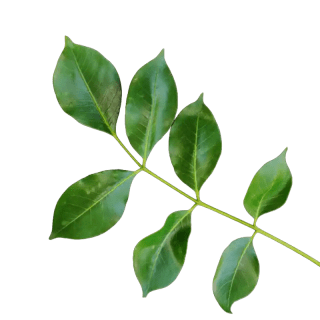
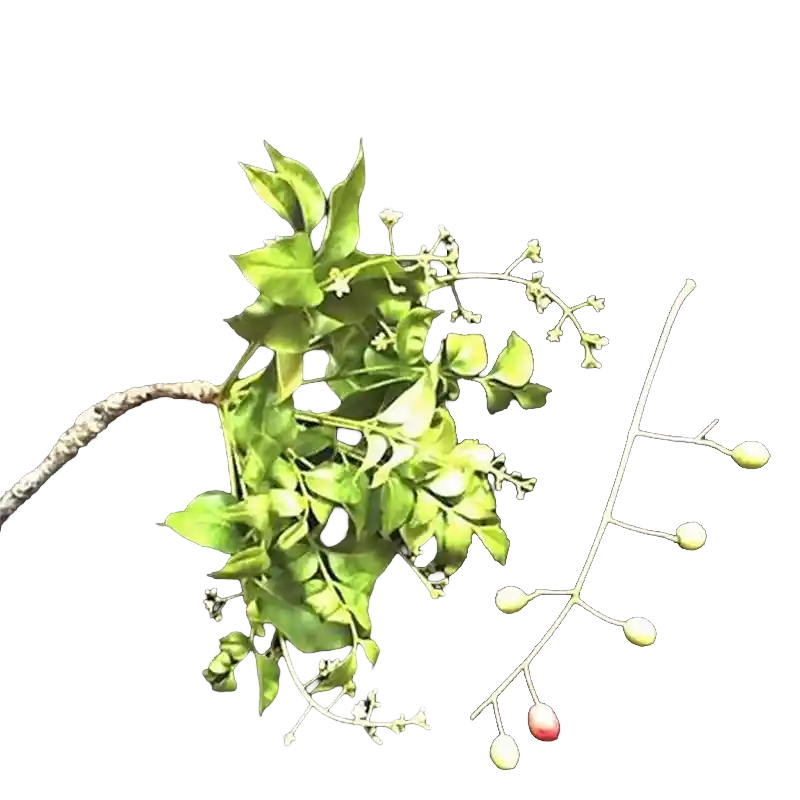
Ekebergia capensis (Cape ash) is a large African tree whose bark, roots and leaves are used for coughs and chest complaints, dysentery, skin conditions, headache and fever. Studies show antiplasmodial (antimalarial), antimicrobial and anti-inflammatory activity from its triterpenoids.دردار الكاب (Ekebergia capensis) شجرةٌ إفريقية كبيرة يُستعمل لحاؤها وجذورها وأوراقها للسعال وشكاوى الصدر والزحار والأمراض الجلدية والصداع والحمّى. وتُظهِر الدراسات نشاطاً مضاداً للملاريا والميكروبات والالتهاب من تريتربينويداتها.
Categoryالفئة
• African medicinal tree
• Antiplasmodial (antimalarial, preclinical)
• Antimicrobial
• Anti-inflammatory
• Traditional respiratory & skin remedy• شجرةٌ إفريقية دوائية
• مضاد للمتصوّرة (ملاريا، أوّلي)
• مضاد للميكروبات
• مضاد للالتهاب
• علاجٌ تقليدي للتنفّس والجلد
Habitatالموطن
A tall evergreen tree of forests and riverbanks across eastern and southern Africa, widely valued by herbalists.شجرةٌ طويلة دائمة الخُضرة في الغابات وضفاف الأنهار عبر شرق وجنوب إفريقيا، مُقدَّرة واسعاً لدى العشّابين.
Parts usedالأجزاء المستخدمة
• Bark
• Roots
• Leaves• اللحاء
• الجذور
• الأوراق
Key constituentsالمكوّنات الفعّالة
• Triterpenoids & limonoids
• Flavonoids
• Tannins
• Coumarins
• Sterols• تريتربينويدات وليمونويدات
• فلافونويدات
• عفص
• كومارينات
• ستيرولات
Researchالأبحاث
Studies isolated antiplasmodial triterpenoids from Ekebergia capensis roots and leaves (of interest against malaria) and reviews document its antimicrobial and anti-inflammatory activity, supporting its traditional respiratory, gut and skin uses. Evidence is largely preclinical.عزلت الدراسات تريتربينويدات مضادة للملاريا من جذور وأوراق دردار الكاب (مهمّة ضدّ الملاريا) وتوثّق المراجعات نشاطه المضاد للميكروبات والالتهاب، بما يدعم استعمالاته التنفّسية والمعوية والجلدية التقليدية. والأدلة أوّلية غالباً.
Published researchأبحاث منشورة
Traditional useالاستخدام التقليدي
Used across Africa for coughs, colds, chest complaints and pneumonia, dysentery and stomach problems, skin conditions and acne, headaches, fevers and as a general tonic; the bark is a common herbal-market item.يُستعمل في إفريقيا للسعال والزكام وشكاوى الصدر والالتهاب الرئوي والزحار ومشكلات المعدة والأمراض الجلدية وحبّ الشباب والصداع والحمّى ومقوّياً عاماً؛ واللحاء بندٌ شائع في أسواق الأعشاب.
Current useالاستخدام الحالي
Used in African traditional medicine as bark/root decoctions; studied for antimalarial and antimicrobial compounds.يُستعمل في الطبّ التقليدي الإفريقي مغليّ لحاء/جذر؛ ويُدرَس لمركّباته المضادة للملاريا والميكروبات.
Preparationsالتحضيرات
Bark/root decoction, Wash, Powderمغليّ لحاء/جذر، غسول، مسحوق
Used for these conditionsيُستخدم لهذه الحالات
Adult dosageجرعة البالغين
Bark/root decoction in small traditional amounts per practitioner; no standardised dose.مغليّ لحاء/جذر بكميات تقليدية صغيرة بحسب المختصّ؛ لا جرعة موحّدة.
Child dosageجرعة الأطفال
Only under knowledgeable guidance for children.فقط بإرشاد خبير للأطفال.
Cautionتحذيرات
Generally used safely in traditional amounts, but formal safety data are limited, so use modest doses under knowledgeable guidance. Bark harvesting can be heavy on the tree, so prefer sustainable sources. Seek medical care for suspected malaria or pneumonia rather than relying on the herb alone.يُستعمل بأمانٍ عموماً بالكميات التقليدية، لكن بيانات الأمان الرسمية محدودة، فاستعمِل جرعاتٍ معتدلة بإرشاد خبير. وجمع اللحاء قد يُرهِق الشجرة، فضِّل المصادر المستدامة. واطلب الرعاية الطبية للملاريا أو الالتهاب الرئوي المُشتبَه بدل الاعتماد على العشبة وحدها.
Pregnancy & nursingالحمل والرضاعة
Avoid in pregnancy — not established as safe.يُتجنَّب في الحمل — غير مثبت الأمان.