Introductionمقدّمة
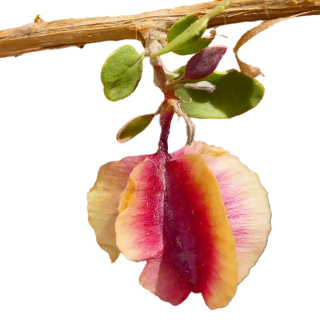
Ekebergia benguelensis (dog plum, a mahogany-family tree) is an African savanna tree whose bark and roots are used in folk medicine for diarrhoea, dysentery, digestive and respiratory complaints, infections, pain and wounds. Like other Meliaceae it bears limonoids and shows antimicrobial and antioxidant activity.الإيكيبيرغيا (Ekebergia benguelensis، شجرة من فصيلة المهاجوني) شجرة سافانا إفريقية يُستعمل لحاؤها وجذورها في الطبّ الشعبي للإسهال والزحار والشكاوى الهضمية والتنفّسية والعدوى والألم والجروح. وكسائر الفصيلة المهاجونية تحمل ليمونويدات وتُظهر نشاطاً مضاداً للميكروبات والأكسدة.
Categoryالفئة
• African savanna tree (Meliaceae/mahogany family)
• Antimicrobial & antioxidant
• Antidiarrhoeal & digestive
• Anti-inflammatory & wound-healing (traditional)
• Limonoid-bearing — use with care• شجرة سافانا إفريقية (الفصيلة المهاجونية)
• مضادّة للميكروبات والأكسدة
• مضادّة للإسهال وهاضمة
• مضادّة للالتهاب ومُلئِمة للجروح (تقليدي)
• حاملةٌ لليمونويدات — تُستعمل بحذر
Habitatالموطن
A small to medium deciduous tree of the woodland and savanna of central, eastern and southern Africa.شجرة نفضية صغيرة إلى متوسّطة في أحراش وسافانا وسط وشرق وجنوب إفريقيا.
Parts usedالأجزاء المستخدمة
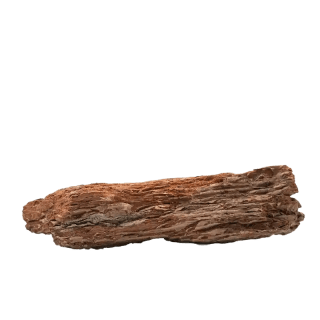
• Bark
• Roots
• Leaves• اللحاء
• الجذور
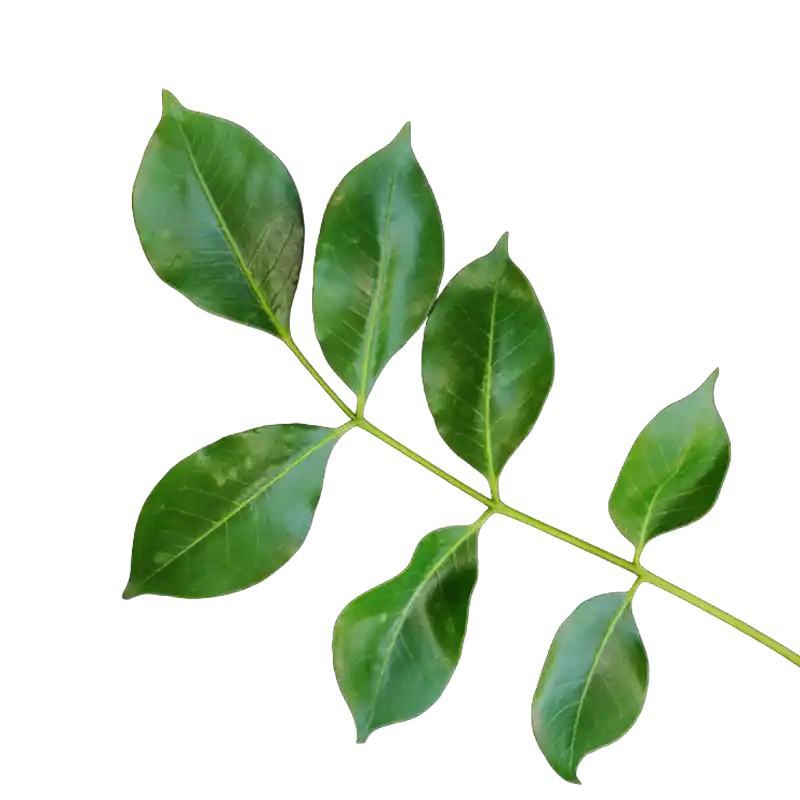
• الأوراق
Key constituentsالمكوّنات الفعّالة
• Limonoids (mahogany family)
• Triterpenes
• Flavonoids
• Tannins
• Phenolic acids• ليمونويدات (الفصيلة المهاجونية)
• تريتربينات
• فلافونويدات
• تانينات
• أحماض فينولية
Researchالأبحاث
Ekebergia species are documented in Meliaceae ethnobotanical and chemistry reviews for antimicrobial, antioxidant and anti-inflammatory activity and for limonoid constituents; E. benguelensis bark and root are recorded in African ethnobotany for diarrhoea, infections and pain. Evidence is ethnobotanical and preclinical; because Meliaceae limonoids can be potent, cautious use is advised.أنواع الإيكيبيرغيا موثّقة في مراجعات الإثنوبوتانيا وكيمياء الفصيلة المهاجونية بنشاطٍ مضاد للميكروبات والأكسدة والالتهاب وبمركّبات ليمونويدية؛ ولحاء وجذر E. benguelensis مسجّلان في الإثنوبوتانيا الإفريقية للإسهال والعدوى والألم. والأدلة إثنوبوتانية وقبل سريرية؛ ولأنّ ليمونويدات الفصيلة قد تكون قويّة، يُنصَح بالاستعمال الحذِر.
Published researchأبحاث منشورة
Traditional useالاستخدام التقليدي
Used across Africa for diarrhoea and dysentery, for stomach and digestive complaints, for coughs, colds and chest complaints, for infections and fever, for pain and headache, and on wounds and skin problems; bark and roots are the usual parts.تُستعمل عبر إفريقيا للإسهال والزحار ولشكاوى المعدة والهضم وللسعال والزكام وشكاوى الصدر وللعدوى والحمّى وللألم والصداع وعلى الجروح ومشكلات الجلد؛ واللحاء والجذور هما الجزآن المعتادان.
Current useالاستخدام الحالي
Used as an African folk remedy for diarrhoea, infections and pain; studied within Meliaceae for antimicrobial activity.تُستعمل علاجاً شعبياً إفريقياً للإسهال والعدوى والألم؛ وتُدرَس ضمن الفصيلة المهاجونية لنشاطها المضاد للميكروبات.
Preparationsالتحضيرات
• Bark/root decoction (guided)
• Topical wash/poultice
• Powder• مغليّ اللحاء/الجذر (مُوجَّه)
• غسول/لبخة موضعية
• مسحوق
Used for these conditionsيُستخدم لهذه الحالات
Adult dosageجرعة البالغين
Bark/root decoction in traditional amounts under knowledgeable guidance.مغليّ اللحاء/الجذر بكميات تقليدية تحت إرشادٍ خبير.
Child dosageجرعة الأطفال
Medicinal preparations only with knowledgeable guidance.المستحضرات الطبية بإرشادٍ خبير فقط.
Cautionتحذيرات
Use cautiously. As a mahogany-family tree it carries limonoids that can be potent, and the tannin content makes strong long-term internal use hard on the stomach. Dosing is not standardised; avoid in pregnancy, use knowledgeable sourcing, and do not rely on it alone for serious infection.تُستعمل بحذر. وكشجرةٍ من الفصيلة المهاجونية تحمل ليمونويدات قد تكون قويّة، ومحتوى التانين يجعل الاستعمال الداخلي القوي الطويل شاقّاً على المعدة. والجرعة غير مقنّنة؛ فيُتجنَّب في الحمل، ويُعتمَد مصدرٌ خبير، ولا يُعتمَد عليها وحدها في العدوى الشديدة.
Pregnancy & nursingالحمل والرضاعة
Avoid in pregnancy — potent mahogany-family constituents; not established as safe.يُتجنَّب في الحمل — مركّبات مهاجونية قويّة؛ وغير مثبت الأمان.