Introductionمقدّمة
Tanacetum balsamita (costmary, alecost, Bible-leaf) is a balsam-scented daisy-family herb once grown in every physic garden. Used as a digestive, carminative and mild tonic, for the stomach, liver and 'women's' complaints, and to flavour ale, it has documented antioxidant and antimicrobial activity.القُسطُمار (Tanacetum balsamita، بلسم النساء) عشبةٌ من فصيلة الأقحوان برائحة البلسم طالما زُرِعت في كلّ حديقة أعشاب. تُستعمل هاضماً وطارداً للريح ومقوّياً خفيفاً، للمعدة والكبد وشكاوى «النساء»، ولتنكيه الجعة، ولها نشاطٌ موثّق مضاد للأكسدة والميكروبات.
Categoryالفئة
• Balsam-scented old herb
• Digestive / carminative
• Antioxidant / antimicrobial
• Traditional 'women's balm' & tonic
• Fragrant strewing/Bible-leaf herb• عشبةٌ قديمة برائحة البلسم
• هاضم/طاردٌ للريح
• مضاد للأكسدة/الميكروبات
• «بلسم النساء» ومقوٍّ تقليدي
• عشبة تعطيرٍ عطرية
Habitatالموطن
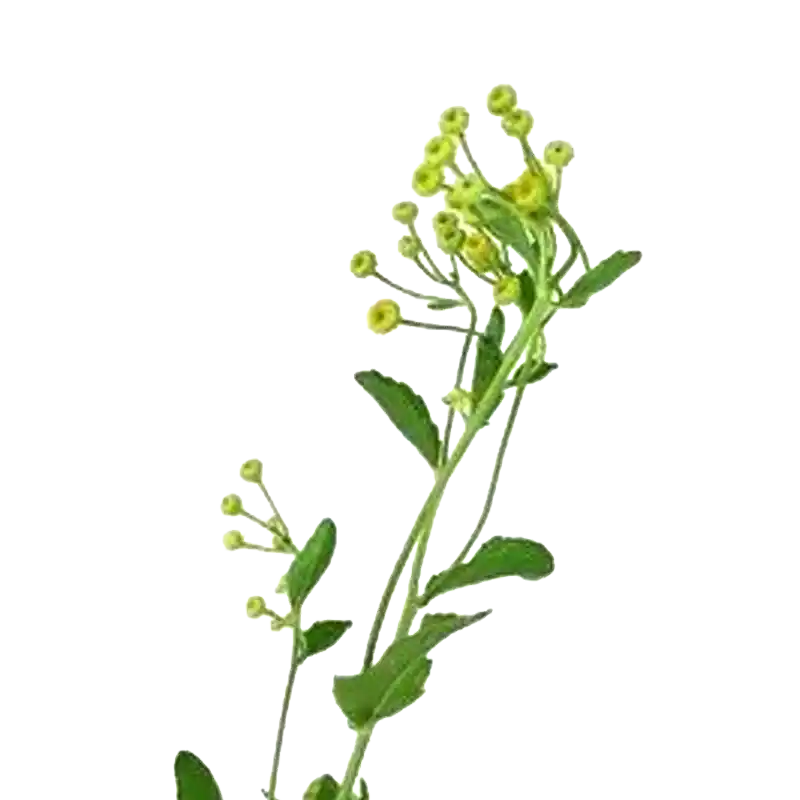
A tall perennial with silvery, balsam-scented leaves and yellow button flowers, long cultivated in gardens across Europe and West Asia.نبتةٌ مُعمّرة طويلة بأوراقٍ فضّية برائحة البلسم وأزهارٍ صفراء زرّية، طالما زُرِعت في الحدائق عبر أوروبا وغرب آسيا.
Parts usedالأجزاء المستخدمة
• Leaves
• Flowering tops
• Essential oil• الأوراق
• القمم المزهرة
• الزيت الطيّار
Key constituentsالمكوّنات الفعّالة
• Essential oil (carvone/β-thujone type)
• Flavonoids
• Sesquiterpene lactones
• Phenolic acids
• Tannins• زيتٌ طيّار (كارفون/بيتا-ثوجون)
• فلافونويدات
• لاكتونات سيسكويتربينية
• أحماض فينولية
• عفص
Researchالأبحاث
Studies of costmary essential oil and extracts confirm antioxidant and antibacterial activity and profile its aroma compounds (often carvone-rich), supporting its traditional digestive, carminative and antiseptic uses. Note some chemotypes contain thujone, so, like tansy, large or prolonged internal doses are not advised. Culinary and mild-tea use has a long, safe tradition.تؤكّد دراسات زيت القُسطُمار الطيّار ومستخلصاته نشاطاً مضاداً للأكسدة والجراثيم وتُحلّل مركّبات أريجه (غنيّة بالكارفون غالباً)، بما يدعم استعمالاته الهاضمة والطاردة للريح والمطهّرة التقليدية. ويُلاحَظ أن بعض الأنماط الكيميائية تحوي الثوجون، فكالطانيسي لا يُنصَح بالجرعات الداخلية الكبيرة أو المطوّلة. وللاستعمال الطهوي والشاي الخفيف تقليدٌ طويل آمن.
Published researchأبحاث منشورة
Traditional useالاستخدام التقليدي
Used as a digestive and carminative tea for indigestion, wind and cramps, a mild tonic for the stomach, liver and menstrual complaints, a fragrant 'strewing' and bookmark (Bible-leaf) herb, and to flavour and preserve ale (alecost).يُستعمل شاياً هاضماً وطارداً للريح لعُسر الهضم والريح والمغص، ومقوّياً خفيفاً للمعدة والكبد وشكاوى الطمث، وعشبة تعطيرٍ عطرية وفاصل كتب، ولتنكيه الجعة وحفظها.
Current useالاستخدام الحالي
A heritage culinary and aromatic herb; used in digestive teas and as a fragrant garden and household herb.عشبةٌ طهوية وعطرية تراثية؛ تُستعمل في شاي الهضم وعشبة حديقةٍ ومنزلٍ عطرية.
Preparationsالتحضيرات
Digestive infusion, Culinary flavouring, Aromatic herbنقيع هاضم، مُنكِّه طهوي، عشبة عطرية
Used for these conditionsيُستخدم لهذه الحالات
Adult dosageجرعة البالغين
Infusion of 1–2 g dried leaf after meals; culinary amounts as a flavouring.نقيع 1–2 غ ورق مجفّف بعد الطعام؛ وكميات طهوية مُنكِّهاً.
Child dosageجرعة الأطفال
Culinary amounts only; avoid medicinal doses in children.كميات طهوية فقط؛ وتُتجنَّب الجرعات الدوائية للأطفال.
Cautionتحذيرات
Pleasant and mild in culinary and light-tea amounts, but some chemotypes contain thujone, so avoid large or prolonged medicinal doses (as with tansy and sage). Daisy-family allergy is possible. Avoid medicinal use in pregnancy. The concentrated essential oil should not be taken internally undiluted.طيّبٌ ولطيف بكميات الطهو والشاي الخفيف، لكن بعض الأنماط الكيميائية تحوي الثوجون، فتجنّب الجرعات الدوائية الكبيرة أو المطوّلة (كالطانيسي والميرمية). والتحسّس لفصيلة الأقحوان ممكن. ويُتجنَّب الاستعمال الدوائي في الحمل. والزيت الطيّار المركّز لا يُؤخَذ داخلياً غير مخفّف.
Pregnancy & nursingالحمل والرضاعة
Avoid medicinal doses in pregnancy — thujone-containing chemotypes and traditional emmenagogue use.تُتجنَّب الجرعات الدوائية في الحمل — أنماط تحوي الثوجون واستعمالٌ مُدِرّ للطمث تقليدي.