Introductionمقدّمة
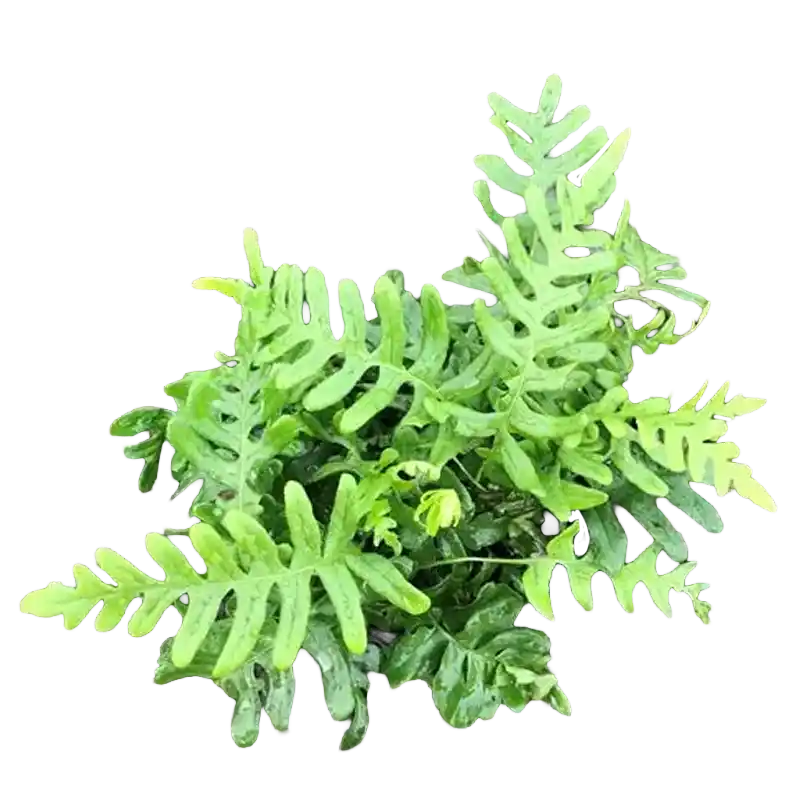
Polypodium vulgare (common polypody, licorice fern) is a small fern whose sweet rhizome (from the compound osladin) has been used as a gentle laxative, an expectorant for the chest, and a bile-stimulating tonic for the liver. Its rhizome shows antimicrobial activity.البسفايج (Polypodium vulgare، سرخس السوس) سرخسٌ صغير جذموره الحلو (من مركّب الأوسلادين) استُعمل مليّناً لطيفاً ومُقشِّعاً للصدر ومقوّياً مُنبِّهاً للصفراء للكبد. ويُظهِر جذموره نشاطاً مضاداً للميكروبات.
Categoryالفئة
• Sweet-rooted fern
• Mild laxative / cholagogue (traditional)
• Expectorant
• Antimicrobial (preclinical)
• Sweet-tasting (osladin)• سرخسٌ حلو الجذر
• مليّن/مُدِرّ صفراء خفيف (تقليدي)
• مُقشِّع
• مضاد للميكروبات (أوّلي)
• حلو الطعم (أوسلادين)
Habitatالموطن
A small evergreen fern growing on rocks, walls, banks and tree trunks in shady, humid places across Europe and beyond.سرخسٌ صغير دائم الخُضرة ينمو على الصخور والجدران والضفاف وجذوع الأشجار في الأماكن الظليلة الرطبة عبر أوروبا وغيرها.
Parts usedالأجزاء المستخدمة
• Rhizome (root)• الجذمور (الجذر)
Key constituentsالمكوّنات الفعّالة
• Osladin & polypodosides (sweet saponins)
• Ecdysteroids
• Phloroglucinols
• Tannins
• Fixed oil• أوسلادين وبوليبودوزيدات (صابونينات حلوة)
• إكديستيرويدات
• فلوروغلوسينولات
• عفص
• زيتٌ ثابت
Researchالأبحاث
Polypody rhizome contains osladin and related sweet saponins and ecdysteroids; studies show its aqueous extract and osladin have antibacterial and antibiofilm activity, and reviews document its traditional gentle-laxative, bile-stimulating and expectorant uses. Robust clinical trials are lacking, so use rests on tradition and its documented chemistry.يحوي جذمور البسفايج الأوسلادين وصابونينات حلوة وإكديستيرويدات مرتبطة؛ وتُظهِر الدراسات أن لمستخلصه المائي والأوسلادين نشاطاً مضاداً للجراثيم والأغشية الحيوية، وتوثّق المراجعات استعمالاته التقليدية المليّنة اللطيفة والمُنبِّهة للصفراء والمُقشِّعة. وتنقص التجارب السريرية المتينة، فيقوم الاستعمال على التقليد وكيميائه الموثّقة.
Published researchأبحاث منشورة
Traditional useالاستخدام التقليدي
Used in European folk medicine as a gentle laxative for constipation, a bile-stimulating remedy for the liver and jaundice, an expectorant for coughs and the chest, and a mild tonic; the sweet root was also a nibble.يُستعمل في الطبّ الشعبي الأوروبي مليّناً لطيفاً للإمساك، ومُنبِّهاً للصفراء للكبد واليرقان، ومُقشِّعاً للسعال والصدر، ومقوّياً خفيفاً؛ والجذر الحلو كان قضمةً أيضاً.
Current useالاستخدام الحالي
Used in traditional laxative and chest preparations; of interest for its sweet saponins.يُستعمل في تحضيرات التليين والصدر التقليدية؛ ذو أهمية لصابونيناته الحلوة.
Preparationsالتحضيرات
Rhizome decoction, Syrup, Traditional tonicمغليّ جذمور، شراب، مقوٍّ تقليدي
Used for these conditionsيُستخدم لهذه الحالات
Adult dosageجرعة البالغين
Decoction of the dried rhizome, roughly 1–4 g, per traditional practice.مغليّ الجذمور المجفّف، نحو 1–4 غ، بحسب الممارسة التقليدية.
Child dosageجرعة الأطفال
Only under professional guidance; a very gentle laxative traditionally.فقط بإشراف مختصّ؛ مليّنٌ لطيف جداً تقليدياً.
Cautionتحذيرات
Generally gentle. Large amounts can loosen the bowels and mildly upset the stomach. Because it stimulates bile, avoid it with gallstones blocking the bile duct. Correctly identify the fern, and keep doses modest.لطيفٌ عموماً. وقد تُليّن الكميات الكبيرة الأمعاء وتُزعِج المعدة قليلاً. ولأنه يُنبِّه الصفراء، تجنّبه مع حصىً تسدّ القناة الصفراوية. وتعرّف على السرخس بدقّة، وأبقِ الجرعات معتدلة.
Pregnancy & nursingالحمل والرضاعة
Avoid laxative doses in pregnancy.تُتجنَّب الجرعات المليّنة في الحمل.