Introductionمقدّمة
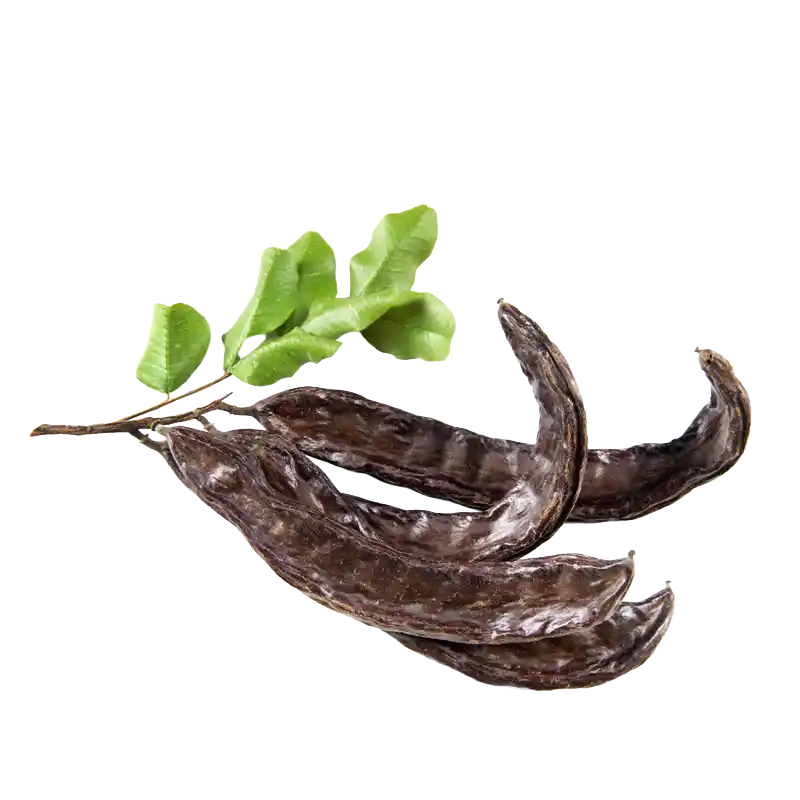
Ceratonia oreothauma is a rare wild relative of the cultivated carob, found in the mountains of Oman and the Horn of Africa. Little studied, it shares the carob family's nutritious, tannin- and sugar-rich pods used as food and fodder.الخرّوب البرّي (Ceratonia oreothauma) قريبٌ نادر للخرّوب المزروع، يوجد في جبال عُمان والقرن الإفريقي. وهو قليل الدراسة، ويشارك قرون فصيلة الخرّوب المغذّية الغنيّة بالتانين والسكّر المستعملة غذاءً وعلفاً.
Categoryالفئة
• Rare wild carob relative
• Nutritive pods (carob family)
• Antioxidant (carob genus)
• Traditional food & fodder
• Botanically significant• قريبٌ نادر للخرّوب البرّي
• قرونٌ مغذّية (فصيلة الخرّوب)
• مضاد للأكسدة (جنس الخرّوب)
• غذاءٌ وعلفٌ تقليدي
• ذو أهمية نباتية
Habitatالموطن
A rare tree/shrub of mountain woodland in Oman (Dhofar) and Somalia — a botanical relict of the carob genus.شجرة/شُجيرة نادرة في حرج الجبال في عُمان (ظفار) والصومال — سليلٌ نباتيّ لجنس الخرّوب.
Parts usedالأجزاء المستخدمة
• Pods (fruit)
• Seeds• القرون (الثمر)
• البذور
Key constituentsالمكوّنات الفعّالة
• Sugars (in pulp)
• Tannins & polyphenols
• Fibre (galactomannan gum in seeds)
• Protein• سكّريات (في اللبّ)
• تانينات وبوليفينولات
• ألياف (صمغ غالاكتومانان في البذور)
• بروتين
Researchالأبحاث
Ceratonia oreothauma itself is little studied and is mainly of botanical/conservation interest as a rare wild carob. Its close relative, cultivated carob (Ceratonia siliqua), is well documented as a nutritious, antioxidant, fibre-rich food with astringent anti-diarrhoeal pods — properties the wild species is expected to share. Species-specific medical data are lacking.الخرّوب البرّي نفسه قليل الدراسة ويُهمّ أساساً نباتياً/محافظةً كخرّوبٍ برّيّ نادر. وقريبه الوثيق، الخرّوب المزروع (Ceratonia siliqua)، موثّقٌ جيداً غذاءً مغذّياً مضاداً للأكسدة غنياً بالألياف بقرونٍ قابضة مضادة للإسهال — وهي خصائص يُتوقّع أن يشاركها النوع البرّي. وتنقص البيانات الطبية الخاصّة بالنوع.
Published researchأبحاث منشورة
Traditional useالاستخدام التقليدي
As a wild carob, its pods are used locally as food and animal fodder, in the same way ordinary carob pods are eaten and given to livestock.كخرّوبٍ برّيّ، تُستعمل قرونه محلياً غذاءً وعلفاً للحيوان، كما تُؤكَل قرون الخرّوب العادي وتُعطى للماشية.
Current useالاستخدام الحالي
Chiefly of botanical and conservation value; local food/fodder use. Not a commercial product.ذو قيمة نباتية ومحافظة أساساً؛ واستعمالٌ غذائي/علفيّ محلي. وليس منتجاً تجارياً.
Preparationsالتحضيرات
Pod pulp (food), Fodderلبّ القرون (غذاء)، علف
Used for these conditionsيُستخدم لهذه الحالات
Adult dosageجرعة البالغين
Eaten as a food (pods); no medicinal dose established.يُؤكَل غذاءً (القرون)؛ لا جرعة دوائية محدّدة.
Child dosageجرعة الأطفال
Carob pulp is a safe, caffeine-free food for children.لبّ الخرّوب غذاءٌ آمن خالٍ من الكافيين للأطفال.
Cautionتحذيرات
Essentially a food plant with a good safety profile like ordinary carob. As a very rare, possibly threatened wild tree, wild harvesting should be avoided for conservation reasons. Little species-specific data exist, so it should not be treated as a concentrated medicine.نبتة غذاء أساساً بسِجلّ أمان جيّد كالخرّوب العادي. وكشجرةٍ برّية نادرة جداً وربما مهدّدة، ينبغي تجنّب الجمع البرّي لأسباب المحافظة. وتقلّ البيانات الخاصّة بالنوع، فلا يُعامَل دواءً مركّزاً.
Pregnancy & nursingالحمل والرضاعة
As a food, carob pods are considered safe.كغذاء، تُعدّ قرون الخرّوب آمنة.