
Introductionمقدّمة
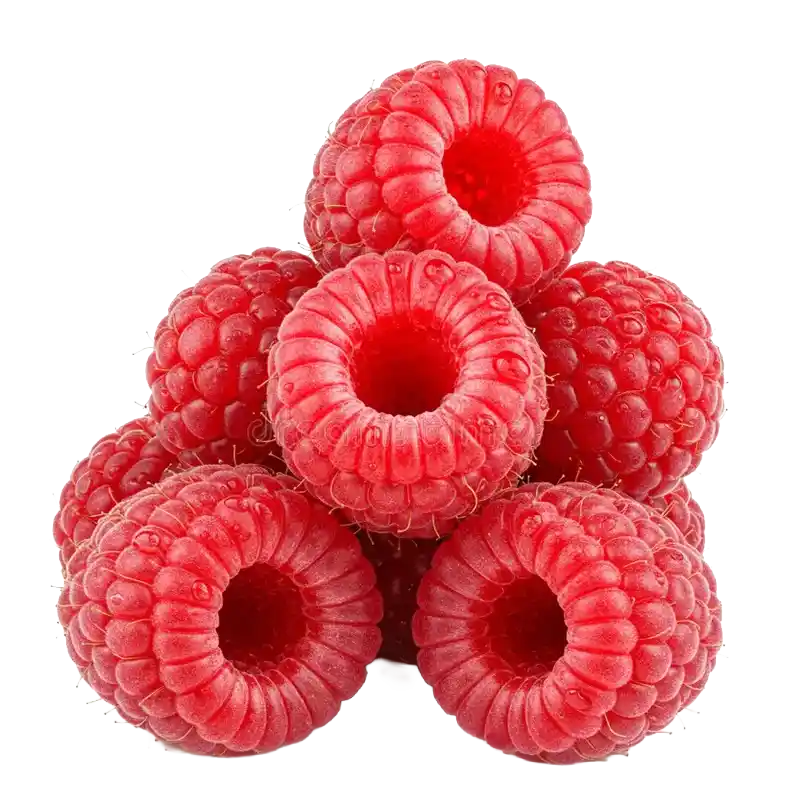
Rubus idaeus (raspberry) gives both the nutritious red berry and the famous raspberry leaf — the classic 'women's tonic' taken in late pregnancy to tone the womb and traditionally to ease labour. The tannin-rich leaf is also a gentle astringent for the gut and mouth.توت العُلّيق (Rubus idaeus) يُعطي التوت الأحمر المغذّي وورق التوت الشهير — «مقوّي النساء» الكلاسيكي يُؤخَذ أواخر الحمل لتقوية الرحم وتقليدياً لتيسير المخاض. والورق الغنيّ بالتانين قابضٌ لطيف للأمعاء والفم أيضاً.
Categoryالفئة
• Classic women's / pregnancy herb
• Uterine tonic (traditional)
• Astringent — gut & mouth
• Antioxidant (leaf & fruit)
• Nutritious berry• عشبة النساء/الحمل الكلاسيكية
• مقوٍّ للرحم (تقليدي)
• قابض — للأمعاء والفم
• مضاد للأكسدة (الورق والثمر)
• توتٌ مغذٍّ
Habitatالموطن
A thorny cane shrub of woodland edges and hedges across Europe and Asia, widely cultivated for its fruit.شُجيرة قصبٍ شائكة في حواف الغابات والأسيجة عبر أوروبا وآسيا، تُزرَع واسعاً لثمرها.
Parts usedالأجزاء المستخدمة
• Leaves
• Fruit (berries)• الأوراق
• الثمار (التوت)
Key constituentsالمكوّنات الفعّالة
• Tannins (ellagitannins)
• Flavonoids
• Fragarine (uterine-acting)
• Vitamin C & minerals
• Anthocyanins (fruit)• عفص (إيلاجيتانينات)
• فلافونويدات
• فراغارين (مؤثّر في الرحم)
• فيتامين C ومعادن
• أنثوسيانينات (الثمر)
Researchالأبحاث
Classic laboratory work showed raspberry leaf contains a principle (fragarine) that regulates uterine muscle, and observational studies of use in late pregnancy report it is generally well tolerated and may shorten labour and reduce interventions, though evidence is mixed and not conclusive. The leaf and fruit are also documented antioxidants and gentle astringents.أظهر عملٌ مخبريّ كلاسيكي أن ورق التوت يحوي مبدأً (فراغارين) يُنظّم عضلة الرحم، وتذكر الدراسات الرصدية لاستعماله أواخر الحمل أنه جيّد التحمّل عموماً وقد يقصّر المخاض ويقلّل التدخّلات، وإن كانت الأدلة متباينة وغير قاطعة. والورق والثمر مضادان للأكسدة وقابضان لطيفان موثّقان أيضاً.
Published researchأبحاث منشورة
Traditional useالاستخدام التقليدي
The leaf is the classic 'pregnancy tea' taken in the last trimester to tone the womb and prepare for and ease labour, and used for painful or heavy periods, as a gargle for sore throat and mouth, and for diarrhoea; the berries are a nutritious food.الورق «شاي الحمل» الكلاسيكي يُؤخَذ في الثلث الأخير لتقوية الرحم والتهيّؤ للمخاض وتيسيره، ويُستعمل للطمث المؤلم أو الغزير، وغرغرةً لالتهاب الحلق والفم، وللإسهال؛ والتوت غذاءٌ مغذٍّ.
Current useالاستخدام الحالي
Widely used as raspberry leaf tea in late pregnancy and for menstrual comfort; the fruit is a popular food and antioxidant.يُستعمل واسعاً شاي ورق التوت أواخر الحمل ولراحة الطمث؛ والثمر غذاءٌ شائع ومضاد للأكسدة.
Preparationsالتحضيرات
Leaf infusion, Gargle, Fresh/dried fruitنقيع أوراق، غرغرة، ثمرٌ طازج/مجفّف
Used for these conditionsيُستخدم لهذه الحالات
Adult dosageجرعة البالغين
Leaf infusion 1.5–2 g per cup; in pregnancy usually started around the third trimester, building up gradually.نقيع أوراق 1.5–2 غ للكوب؛ وفي الحمل يُبدأ عادةً نحو الثلث الأخير مع زيادةٍ تدريجية.
Child dosageجرعة الأطفال
A mild leaf tea can be used for children's diarrhoea or sore throat; the fruit is a safe food.شاي أوراق خفيف يُستعمل لإسهال الأطفال أو التهاب حلقهم؛ والثمر غذاءٌ آمن.
Cautionتحذيرات
The fruit is very safe. The leaf acts on the womb, so it is traditionally avoided in early pregnancy and started only in the last trimester, ideally with a midwife's guidance; women with a history of fast labours or complications should check first. The tannins can cause mild stomach upset in large amounts.الثمر آمنٌ جداً. والورق يؤثّر في الرحم، فيُتجنَّب تقليدياً في مطلع الحمل ويُبدأ في الثلث الأخير فقط، ويُفضّل بإرشاد قابلة؛ وعلى صاحبات المخاض السريع أو المضاعفات المراجعة أولاً. وقد يسبّب العفص انزعاجاً معوياً خفيفاً بالكميات الكبيرة.
Pregnancy & nursingالحمل والرضاعة
Traditionally used only in the LAST trimester (not early pregnancy) because it acts on the uterus; start under a midwife's/doctor's advice.يُستعمل تقليدياً في الثلث الأخير فقط (لا مطلع الحمل) لأنه يؤثّر في الرحم؛ ابدأ بمشورة قابلة/طبيب.


