Introductionمقدّمة
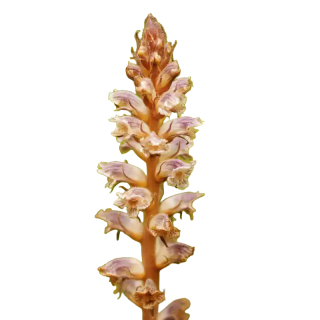
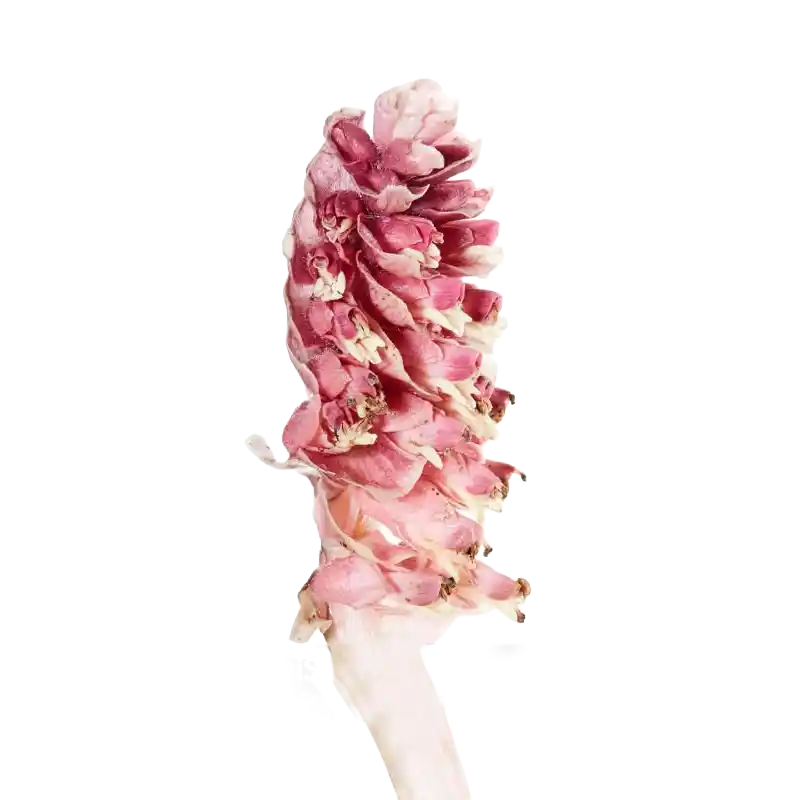
Lathraea squamaria (toothwort) is a pale, ghostly parasitic plant with no green chlorophyll, living off the roots of trees like hazel and elm. Named for its tooth-like scales, it had minor and rather obscure historic folk use (as an astringent or sedative), but it is little studied and is chiefly a woodland botanical curiosity rather than a practical medicine.عشبة الأسنان (Lathraea squamaria) نبتةٌ شاحبة شبحية طفيلية بلا يخضور أخضر، تعيش على جذور أشجارٍ كالبندق والدردار. سُمّيت لحُرَشِفها الشبيهة بالأسنان، ولها استعمالٌ شعبي تاريخي طفيف غامض (قابضاً أو مهدّئاً)، لكنّها قليلة الدراسة وهي فضولٌ نباتي غابيّ أساساً لا دواءً عملياً.
Categoryالفئة
• Parasitic woodland herb (Orobanchaceae)
• Minor historic folk use (astringent/sedative)
• Little-studied root parasite
• No chlorophyll — feeds on tree roots
• Chiefly a botanical curiosity• عشبة غابات طفيلية (فصيلة الهالوك)
• استعمالٌ شعبي تاريخي طفيف (قابض/مهدّئ)
• طفيليّ جذور قليل الدراسة
• بلا يخضور — يتغذّى على جذور الأشجار
• فضولٌ نباتي أساساً
Habitatالموطن
A leafless, non-green root parasite emerging in early spring under host trees (hazel, elm, poplar) in damp woodland across Europe and western Asia.طفيليّ جذورٍ عديم الورق غير أخضر يظهر أوائل الربيع تحت الأشجار المضيفة (البندق، الدردار، الحور) في الغابات الرطبة عبر أوروبا وغرب آسيا.
Parts usedالأجزاء المستخدمة
• Whole plant/rhizome (minor historic use)• النبتة كاملةً/الجذمور (استعمال تاريخي طفيف)
Key constituentsالمكوّنات الفعّالة
• Iridoid glycosides (aucubin-type)
• Phenylethanoid glycosides
• Flavonoids
• Phenolic acids
• (Little characterised)• غليكوزيدات إيريدويدية (من نمط الأوكوبين)
• غليكوزيدات فينيل إيثانويدية
• فلافونويدات
• أحماض فينولية
• (قليلة التوصيف)
Researchالأبحاث
Lathraea squamaria is very little studied pharmacologically; like related parasitic Orobanchaceae it contains iridoid and phenylethanoid glycosides with antioxidant potential, but there is essentially no modern evidence for its historic folk uses (astringent, sedative, 'anti-epileptic'). It is best regarded as a botanical curiosity rather than a practical remedy. Evidence is minimal.عشبة الأسنان قليلة الدراسة دوائياً جداً؛ وكأقاربها من فصيلة الهالوك الطفيلية تحوي غليكوزيدات إيريدويدية وفينيل إيثانويدية ذات إمكانٍ مضاد للأكسدة، لكن لا دليل حديث تقريباً على استعمالاتها الشعبية التاريخية (قابض، مهدّئ، «مضادّ للصرع»). والأولى عدّها فضولاً نباتياً لا دواءً عملياً. والأدلة ضئيلة.
Published researchأبحاث منشورة
Traditional useالاستخدام التقليدي
Had minor and obscure historic folk use — recorded in old herbals as an astringent and a sedative, and once reputed (without evidence) for epilepsy and nervous complaints; these uses are essentially obsolete.لها استعمالٌ شعبي تاريخي طفيف غامض — سُجِّلت في كتب العشب القديمة قابضاً ومهدّئاً، وشُهِرت يوماً (دون دليل) للصرع والشكاوى العصبية؛ وهذه الاستعمالات مهجورة في جوهرها.
Current useالاستخدام الحالي
Not used medicinally today; of botanical/ecological interest as a woodland root parasite.لا تُستعمَل طبياً اليوم؛ ذات اهتمامٍ نباتي/بيئي طفيليّ جذورٍ غابيّ.
Preparationsالتحضيرات
• (No established medicinal preparation)
• Historic astringent/sedative use (obsolete)
• Botanical/ecological curiosity• (لا مستحضر طبي ثابت)
• استعمال قابض/مهدّئ تاريخي (مهجور)
• فضول نباتي/بيئي
Used for these conditionsيُستخدم لهذه الحالات
Adult dosageجرعة البالغين
No established medicinal dose; not recommended for internal use.لا جرعة طبية ثابتة؛ ولا يُنصَح بالاستعمال الداخلي.
Child dosageجرعة الأطفال
Not for children.لا للأطفال.
Cautionتحذيرات
Little studied and not a recognised medicine, so it should not be self-prescribed. Because its pharmacology and safety are poorly defined, treat it as a woodland curiosity to observe rather than a herb to use. Correct identification (and appreciation of its rarity/protection in places) matters.قليلة الدراسة وليست دواءً معترَفاً به، فلا تُوصَف ذاتياً. ولأنّ دوائيّتها وأمانها قليلا التحديد، تُعامَل فضولاً غابياً يُلاحَظ لا عشبةً تُستعمَل. وتهمّ صحّة التمييز (وتقدير ندرتها/حمايتها في أماكن).
Pregnancy & nursingالحمل والرضاعة
Avoid — no established safe use.يُتجنَّب — لا استعمال آمن ثابت.