Introductionمقدّمة
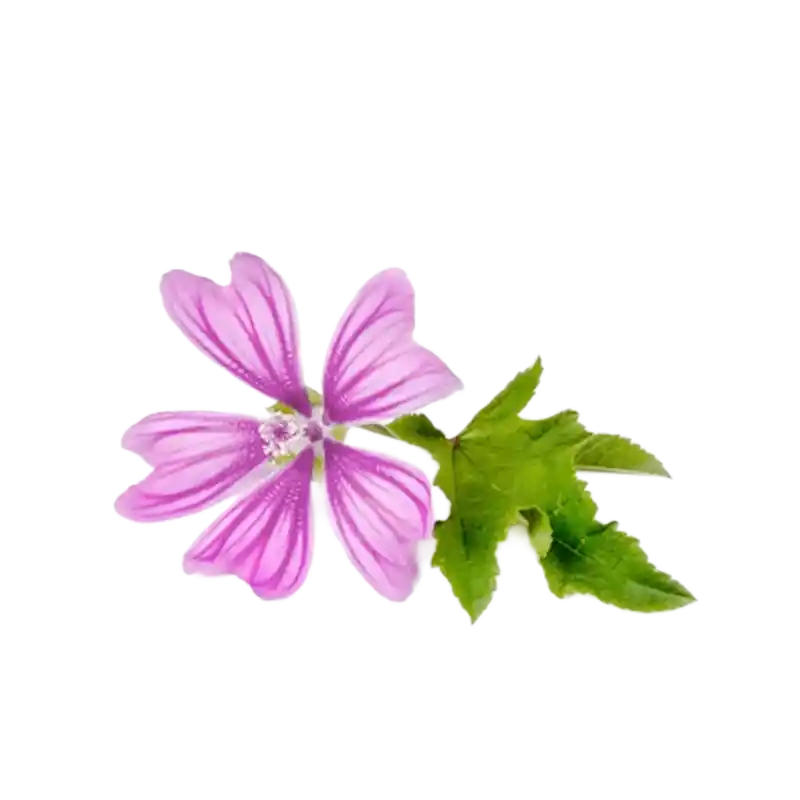
Malva parviflora — small-flowered mallow, khubbaiza — is a common edible mallow rich in soothing mucilage, used across the Middle East as a food and folk remedy for cough, sore throat, the gut, and inflamed skin.الخُبّيزة (Malva parviflora) — الخُبّازى صغيرة الأزهار — خُبّيزةٌ صالحة للأكل شائعة غنيّة بالصمغ المُلطِّف، تُستعمل في الشرق الأوسط طعاماً ودواءً شعبياً للسعال والتهاب الحلق والأمعاء والجلد الملتهب.
Categoryالفئة
• Demulcent / soothing
• Anti-inflammatory
• Mild laxative
• Antioxidant
• Wound & skin support• مُطرٍّ / مُلطِّف
• مضاد للالتهاب
• مُليّن خفيف
• مضاد للأكسدة
• داعمٌ للجروح والجلد
Habitatالموطن
A common weed and leafy vegetable of the Mediterranean and Middle East, with small pink-white flowers.عشبةٌ شائعة وخضارٌ ورقيّ في حوض المتوسط والشرق الأوسط، بأزهارٍ صغيرة وردية-بيضاء.
Parts usedالأجزاء المستخدمة
• Leaves
• Flowers
• Whole plant
• Seeds• الأوراق
• الأزهار
• النبات كاملاً
• البذور
Key constituentsالمكوّنات الفعّالة
• Mucilage (polysaccharides)
• Flavonoids
• Phenolic acids
• Vitamins & minerals
• Sterols• صمغ نباتي (متعدّدات السكاريد)
• فلافونويدات
• أحماض فينولية
• فيتامينات ومعادن
• ستيرولات
Researchالأبحاث
Reviews and animal studies report anti-inflammatory, antioxidant, wound-healing, blood-sugar-lowering and soothing (demulcent) effects of the leaves and their mucilage, consistent with its food and folk use for cough, gut and skin. Human clinical evidence is limited.تذكر المراجعات ودراسات الحيوان تأثيراتٍ مضادة للالتهاب والأكسدة ومُلْئِمة للجروح وخافضة لسكر الدم ومُلطِّفة للأوراق وصمغها، بما يتّسق مع استعمالها الغذائي والشعبي للسعال والأمعاء والجلد. والأدلة السريرية البشرية محدودة.
Traditional useالاستخدام التقليدي
Used across the Middle East for cough and sore throat, stomach and bowel inflammation and constipation, and for wounds, boils and inflamed skin (as a poultice); the leaves are a popular cooked green.تُستعمل في الشرق الأوسط للسعال والتهاب الحلق والتهاب المعدة والأمعاء والإمساك وللجروح والدمامل والجلد الملتهب (لبخةً)؛ والأوراق خضارٌ مطبوخ شائع.
Current useالاستخدام الحالي
Eaten as a cooked leafy green and used as leaf/flower infusion, poultice and extracts.تُؤكل خضاراً ورقياً مطبوخاً وتُستعمل نقيع أوراق/أزهار ولبخةً ومستخلصات.
Preparationsالتحضيرات
Cooked green (food), Leaf/flower infusion, Poulticeخضار مطبوخ (طعام)، نقيع الأوراق/الأزهار، لبخة
Used for these conditionsيُستخدم لهذه الحالات
Adult dosageجرعة البالغين
Food/tea amounts are common; therapeutic use per practitioner.كميات الطعام/الشاي شائعة؛ والاستعمال العلاجي بحسب المختصّ.
Child dosageجرعة الأطفال
Food/tea amounts are fine for children.كميات الطعام/الشاي مقبولة للأطفال.
Cautionتحذيرات
Very low-risk as a food and soothing tea. Note that mallow grown on contaminated soil can accumulate nitrates/heavy metals, so use plants from a clean source. It may mildly lower blood sugar. Being high in fibre/mucilage, take with enough fluid.منخفض الخطورة جداً كطعام وشاي مُلطِّف. ويُلاحَظ أنّ الخُبّيزة النامية في تربةٍ ملوّثة قد تُراكم النترات/المعادن الثقيلة، فاستعمل نباتاتٍ من مصدرٍ نظيف. وقد تخفض سكر الدم قليلاً. وكونها غنيّة بالألياف/الصمغ، تُؤخذ مع سوائل كافية.
Pregnancy & nursingالحمل والرضاعة
Food and tea amounts are generally regarded as safe.كميات الطعام والشاي تُعدّ آمنة عموماً.