Introductionمقدّمة
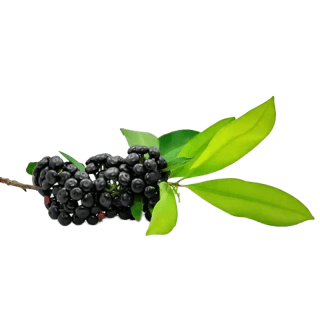
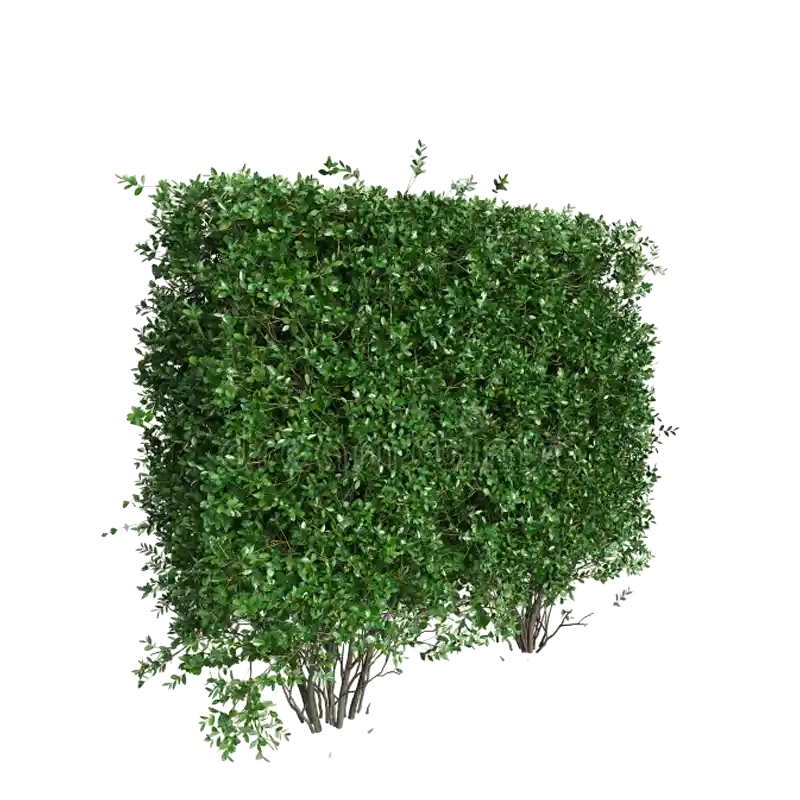
Ligustrum ovalifolium (garden/oval-leaved privet) is one of the most common hedging shrubs. IMPORTANT: privet is toxic — its black berries (and, to a lesser degree, leaves) contain irritant glycosides that cause vomiting, diarrhoea and, with many berries, more serious poisoning. Its leaves had limited external/gargle folk use, but it is chiefly an ornamental hedge and a plant whose toxicity should be known.البِرواق البيضاوي الورق (Ligustrum ovalifolium) من أشيع جُنَيبات السياج. مهمّ: البِرواق سامّ — فتوته الأسود (والأوراق بدرجةٍ أقلّ) يحوي غليكوزيدات مهيّجة تسبّب قيئاً وإسهالاً، ومع كثيرٍ من التوت تسمّماً أشدّ. ولأوراقه استعمالٌ شعبي خارجي/غرغرة محدود، لكنّه أساساً سياجٌ زينة ونبتةٌ تُعرَف سميّتها.
Categoryالفئة
• Hedge shrub (Oleaceae) — ornamental
• ⚠️ TOXIC berries (and leaves) — do not eat
• Astringent leaf (traditional gargle, external)
• Antioxidant (in-vitro)
• Common garden hedge• جُنَيبة سياج (الفصيلة الزيتونية) — زينة
• ⚠️ توتٌ سامّ (والأوراق) — لا يُؤكَل
• ورقٌ قابض (غرغرة تقليدية، خارجي)
• مضادّة للأكسدة (مخبرياً)
• سياج حدائقي شائع
Habitatالموطن
A semi-evergreen shrub with oval leaves, white scented flowers and black berries, native to Japan and planted worldwide as a clipped garden hedge.جُنَيبة شبه دائمة الخضرة بأوراقٍ بيضاوية وأزهارٍ بيضاء عطرة وتوتٍ أسود، موطنها اليابان وتُزرَع عالمياً سياجاً حدائقياً مقصوصاً.
Parts usedالأجزاء المستخدمة
• Leaves (external/gargle — traditional)
• (Berries: toxic — not used)• الأوراق (خارجي/غرغرة — تقليدي)
• (التوت: سامّ — لا يُستعمَل)
Key constituentsالمكوّنات الفعّالة
• Secoiridoid glycosides (ligustroside, oleuropein-type)
• Irritant glycosides (berries — toxic)
• Flavonoids
• Tannins
• Phenolic acids• غليكوزيدات سيكوإيريدويدية (ليجستروزيد، من نمط الأوليوروبين)
• غليكوزيدات مهيّجة (التوت — سامّة)
• فلافونويدات
• تانينات
• أحماض فينولية
Researchالأبحاث
Ligustrum species contain secoiridoid glycosides (oleuropein/ligustroside-type) and flavonoids with antioxidant and antimicrobial activity in vitro (the related Chinese privet, L. lucidum, is a studied tonic herb), but L. ovalifolium's berries are toxic, containing irritant glycosides that cause vomiting and diarrhoea. So while the leaf had minor external astringent use, its overriding practical fact is berry toxicity. Evidence is preclinical/toxicological.أنواع البِرواق تحوي غليكوزيدات سيكوإيريدويدية (من نمط الأوليوروبين/الليجستروزيد) وفلافونويدات ذات نشاطٍ مضاد للأكسدة والميكروبات مخبرياً (فالبِرواق الصيني القريب L. lucidum عشبةٌ مقوّية مدروسة)، لكنّ توت L. ovalifolium سامّ يحوي غليكوزيدات مهيّجة تسبّب قيئاً وإسهالاً. فمع أنّ للورق استعمالاً خارجياً قابضاً طفيفاً، فحقيقته العملية الغالبة سميّة التوت. والأدلة قبل سريرية/سُميّة.
Published researchأبحاث منشورة
Traditional useالاستخدام التقليدي
The leaves had limited traditional external use as an astringent gargle and mouthwash for sore throat, mouth ulcers and inflamed gums, and as a wash for wounds and skin; the berries were NOT used (toxic). It is grown almost entirely as a clipped ornamental hedge.كان للأوراق استعمالٌ خارجي تقليدي محدود قابضاً غرغرةً ومضمضةً لالتهاب الحلق وقرح الفم واللثة الملتهبة وغسولاً للجروح والجلد؛ ولم يُستعمَل التوت (سامّ). ويُزرَع كلّه تقريباً سياجاً زينةً مقصوصاً.
Current useالاستخدام الحالي
Grown as a common garden hedge; occasional minor external astringent leaf use; not used internally — noted for berry toxicity.يُزرَع سياجاً حدائقياً شائعاً؛ واستعمالٌ خارجي قابض طفيف للورق أحياناً؛ ولا يُستعمَل داخلياً — يُذكَر لسميّة التوت.
Preparationsالتحضيرات
• Leaf gargle/mouth rinse (external only)
• Leaf skin wash
• Ornamental hedge
• (Berries: toxic — not used)• غرغرة/مضمضة من الورق (خارجي فقط)
• غسول جلدٍ من الورق
• سياج زينة
• (التوت: سامّ — لا يُستعمَل)
Used for these conditionsيُستخدم لهذه الحالات
Adult dosageجرعة البالغين
Leaf infusion as an external gargle/wash only, in small traditional amounts; do not swallow, and never use the berries.نقيع الأوراق غرغرةً/غسولاً خارجياً فقط، بكميات تقليدية صغيرة؛ لا يُبلَع، ولا يُستعمَل التوت أبداً.
Child dosageجرعة الأطفال
Not for internal use; ⚠️ keep the black berries away from children — privet-berry poisoning of children/pets is well known.لا للاستعمال الداخلي؛ ⚠️ وتُبعَد التوتات السوداء عن الأطفال — فتسمّم الأطفال/الحيوانات بتوت البِرواق معروف.
Cautionتحذيرات
⚠️ The berries are toxic — do not eat them, and keep them away from children and pets (privet-berry poisoning is a recognised cause of vomiting and diarrhoea, occasionally serious). Use the leaf only externally as a gargle/wash and do not swallow it. Its pollen can also irritate airways/hay fever. Enjoy it as a hedge, not a home medicine.⚠️ التوت سامّ — فلا يُؤكَل، ويُبعَد عن الأطفال والحيوانات (فتسمّم توت البِرواق سببٌ معروف للقيء والإسهال، وأحياناً خطير). ويُستعمَل الورق خارجياً غرغرةً/غسولاً فقط ولا يُبلَع. وحبوب لقاحه قد تهيّج المجاري/حساسية الأنف أيضاً. ويُستمتَع به سياجاً لا دواءً منزلياً.
Pregnancy & nursingالحمل والرضاعة
Do not use internally in pregnancy; external gargle only if at all.لا يُستعمَل داخلياً في الحمل؛ والغرغرة الخارجية فقط إن وُجدت.