Introductionمقدّمة
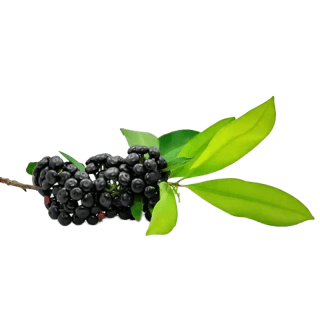
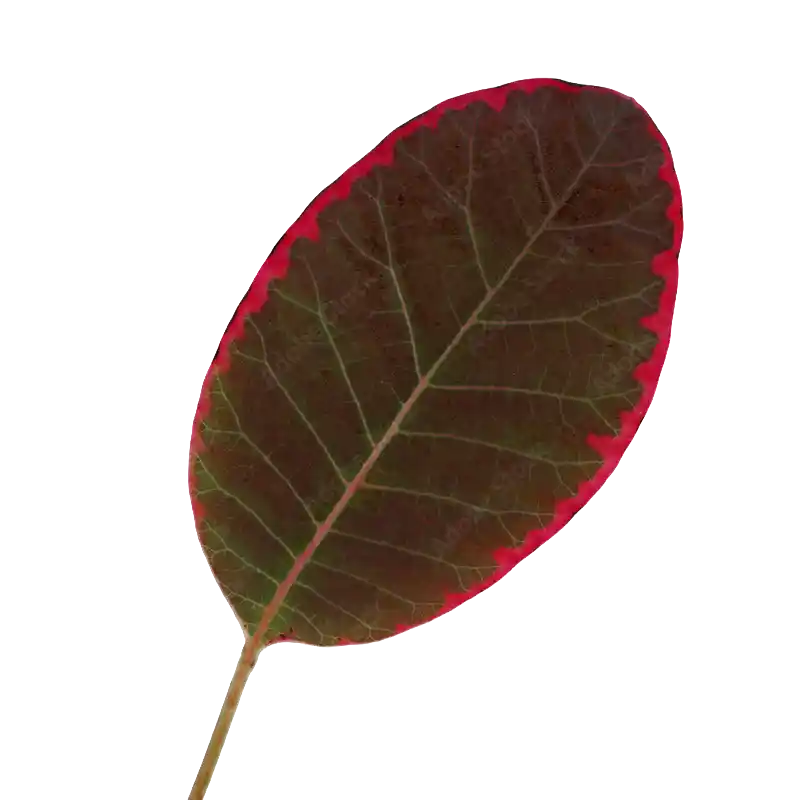
Cotinus coggygria (smoke tree, young fustic) is a Mediterranean shrub famous for its 'smoky' feathery seed heads. Its tannin-rich leaves and shoots are used in Balkan and Mediterranean folk medicine for wounds, mouth and gum problems, with strong antimicrobial and antioxidant activity.شجرة الدخان (Cotinus coggygria، سُمّاق التلوين) شُجيرةٌ متوسّطية تشتهر برؤوس بذورها الريشية «الدخانية». وتُستعمل أوراقها وبراعمها الغنيّة بالتانين في الطبّ الشعبي البلقاني والمتوسّطي للجروح ومشكلات الفم واللثة، بنشاطٍ قويّ مضاد للميكروبات والأكسدة.
Categoryالفئة
• Tannin-rich smoke tree
• Antimicrobial / antioxidant
• Anti-inflammatory
• Wound & gum healing
• Dye plant (young fustic)• شجرة دخانٍ غنيّة بالتانين
• مضاد للميكروبات/الأكسدة
• مضاد للالتهاب
• مُلْئِمٌ للجروح واللثة
• نبتة صِبغة (سُمّاق التلوين)
Habitatالموطن
A rounded deciduous shrub of dry, sunny hillsides across southern Europe to the Himalayas, with hazy pink seed plumes.شُجيرةٌ نفضية مُستديرة في السفوح الجافّة المشمسة من جنوب أوروبا إلى الهيمالايا، بريشِ بذورٍ ورديّ ضبابيّ.
Parts usedالأجزاء المستخدمة
• Leaves
• Young shoots
• Wood (dye)• الأوراق
• البراعم الفتيّة
• الخشب (صِبغة)
Key constituentsالمكوّنات الفعّالة
• Tannins (gallotannins)
• Flavonoids (fisetin, myricetin)
• Phenolic acids
• Essential oil
• Sulphur-yellow dye (fustin)• تانينات (غالوتانينات)
• فلافونويدات (فيسيتين، ميريسيتين)
• أحماض فينولية
• زيتٌ طيّار
• صِبغة صفراء كبريتية (فوستين)
Researchالأبحاث
Studies of Cotinus coggygria young shoots and leaves confirm antimicrobial, antioxidant and anti-inflammatory activity, and it is being explored for dental/endodontic and wound applications thanks to its tannins and flavonoids like fisetin. This supports the traditional use for the mouth, gums and skin. Human trials are limited.تؤكّد دراسات براعم وأوراق شجرة الدخان نشاطاً مضاداً للميكروبات والأكسدة والالتهاب، ويُبحَث استعمالها للأسنان/جذور الأسنان والجروح بفضل تانيناتها وفلافونويداتها كالفيسيتين. وهذا يدعم الاستعمال التقليدي للفم واللثة والجلد. والتجارب البشرية محدودة.
Published researchأبحاث منشورة
Traditional useالاستخدام التقليدي
Used in Balkan and Mediterranean folk medicine as a gargle and mouthwash for gum inflammation, mouth ulcers and sore throat, a wash for wounds and skin, and internally as an astringent; also a classic yellow-orange dye.يُستعمل في الطبّ الشعبي البلقاني والمتوسّطي غرغرةً وغسول فمٍ لالتهاب اللثة وتقرّحات الفم والتهاب الحلق، وغسولاً للجروح والجلد، وداخلياً قابضاً؛ وهو أيضاً صِبغة صفراء برتقالية كلاسيكية.
Current useالاستخدام الحالي
Used in herbal mouthwashes, gargles and skin washes; studied for dental and wound care.يُستعمل في غسولات الفم والغرغرة وغسولات الجلد العشبية؛ ويُدرَس للعناية بالأسنان والجروح.
Preparationsالتحضيرات
Leaf decoction, Gargle/mouthwash, Wound wash, Dyeمغليّ أوراق، غرغرة/غسول فم، غسول جروح، صِبغة
Used for these conditionsيُستخدم لهذه الحالات
Adult dosageجرعة البالغين
Leaf decoction 1–2 g per cup as a gargle/mouthwash or wash; internal use only briefly.مغليّ أوراق 1–2 غ للكوب غرغرةً/غسول فمٍ أو غسولاً؛ والاستعمال الداخلي قصير الأمد فقط.
Child dosageجرعة الأطفال
External gargle/wash only; avoid strong internal use in young children.غرغرة/غسول خارجي فقط؛ ويُتجنَّب الاستعمال الداخلي القويّ لصغار الأطفال.
Cautionتحذيرات
Very high in tannins: strong or prolonged internal use can upset the stomach, cause constipation and reduce absorption of iron and medicines. Best for short-term and external (mouth/skin) use. Rare contact allergy; the related sap can irritate sensitive skin.عالي التانين جداً: قد يُزعِج الاستعمال الداخلي القويّ أو المطوّل المعدة ويسبّب إمساكاً ويقلّل امتصاص الحديد والأدوية. والأفضل للاستعمال قصير الأمد والخارجي (الفم/الجلد). والتحسّس التماسّي نادر؛ وقد يُهيّج النَّسغ القريب الجلد الحسّاس.
Pregnancy & nursingالحمل والرضاعة
External use is fine; avoid strong internal tannin doses in pregnancy.الاستعمال الخارجي مقبول؛ وتُتجنَّب جرعات التانين الداخلية القوية في الحمل.