Introductionمقدّمة
Babul, also known as Acacia nilotica, is a thorny tree native to Africa and parts of Asia, known for its potential medicinal properties, particularly for its use as an astringent and for oral health. شجرة السنط، والمعروفة أيضًا باسم أكاسيا نيلوتيكا، هي شجرة شوكية موطنها الأصلي أفريقيا وأجزاء من آسيا، وتشتهر بخصائصها الطبية المحتملة، وخاصة استخدامها كمادة قابضة ولصحة الفم.
Categoryالفئة
• Astringent
• Anti-inflammatory
• Antioxidant• قابض
• مضاد للالتهابات
• مضاد للأكسدة
Habitatالموطن
Native to Africa and parts of Asia, Babul is found in arid and semi-arid regions with well-drained soils.موطنها الأصلي أفريقيا وأجزاء من آسيا، وتوجد شجرة البابول في المناطق القاحلة وشبه القاحلة ذات التربة جيدة التصريف.
Parts usedالأجزاء المستخدمة
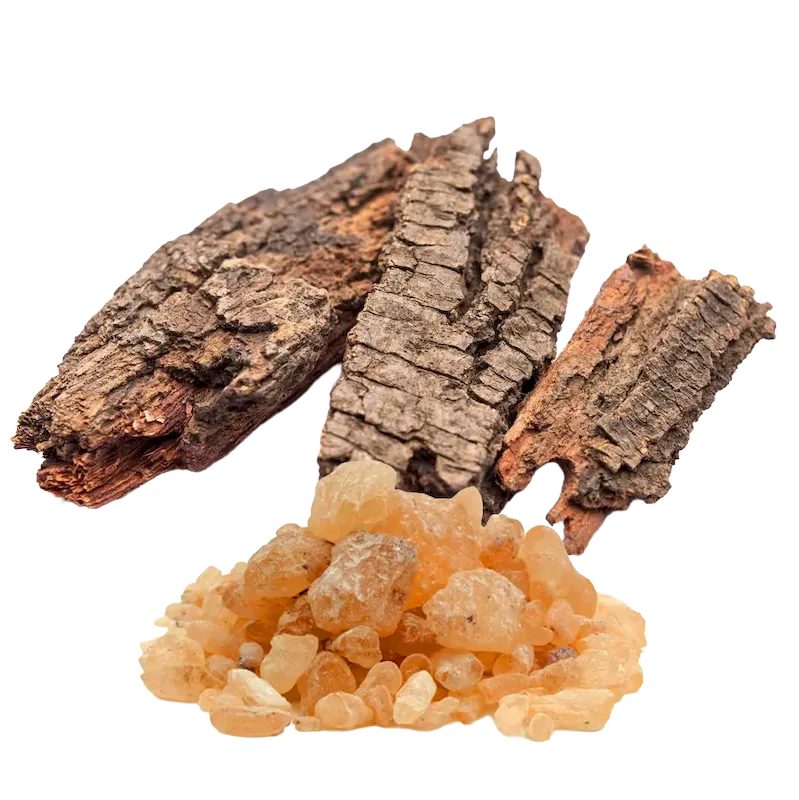
• Bark
• Gum• لحاء الشجر
• صمغ
Key constituentsالمكوّنات الفعّالة
• Tannins (condensed tannins ~12–20% bark; hydrolysable tannins — astringent, antimicrobial)
• Gallic acid (phenolic — antioxidant, antimicrobial)
• Ellagic acid (phenolic — antioxidant, anti-inflammatory)
• Flavonoids (quercetin, kaempferol — antioxidant, anti-inflammatory)
• Alkaloids (niloticine — trace; analgesic)
• Saponins (~2–4% — expectorant, anti-inflammatory)
• Phytosterols (beta-sitosterol — anti-inflammatory)
• Gum (arabinogalactan polysaccharide ~30–40% gum — emulsifier, prebiotic)
• Minerals (calcium, iron, phosphorus, magnesium — nutritive)• التانينات (التانينات المكثفة ~12-20% من اللحاء؛ التانينات القابلة للتحلل - قابضة، مضادة للميكروبات)
• حمض الغاليك (فينولي - مضاد للأكسدة، مضاد للميكروبات)
• حمض الإيلاجيك (فينولي - مضاد للأكسدة، مضاد للالتهابات)
• الفلافونويدات (كيرسيتين، كامفيرول - مضاد للأكسدة، مضاد للالتهابات)
• القلويدات (نيلوتيسين - كمية ضئيلة؛ مسكن للألم)
• الصابونينات (~2-4% - مقشع، مضاد للالتهابات)
• الفيتوستيرولات (بيتا سيتوستيرول - مضاد للالتهابات)
• الصمغ (عديد السكاريد أرابينوغالاكتان ~30-40% صمغ - مستحلب، بريبيوتيك)
• المعادن (الكالسيوم، الحديد، الفوسفور، المغنيسيوم - مغذية)
Researchالأبحاث
Research supports its use for its astringent and anti-inflammatory effects. Traditionally used for oral health, diarrhea, and wound healing. تدعم الأبحاث استخداماته لخصائصه القابضة والمضادة للالتهابات. ويُستخدم تقليدياً لصحة الفم، والإسهال، والتئام الجروح.
Published researchأبحاث منشورة
↗ Acacia nilotica leaf improves insulin resistance and hyperglycemia associated acute hepatic injury and nephrotoxicity by improving systemic antioxidant status in diabetic mice↗ The pharmacological effects of an aqueous extract from Acacia nilotica seeds↗ Gastroprotective effect of Acacia nilotica young seedless pod extract: role of polyphenolic constituentsTraditional useالاستخدام التقليدي
Traditionally used for oral health, often in the form of mouthwash or toothpaste. Various parts of the tree, including bark and gum, are used for their astringent and antimicrobial properties.يُستخدم تقليدياً للعناية بصحة الفم، غالباً على شكل غسول للفم أو معجون أسنان. وتُستخدم أجزاء مختلفة من الشجرة، بما في ذلك اللحاء والصمغ، لخصائصها القابضة والمضادة للميكروبات.
Current useالاستخدام الحالي
Bark and gum are used in herbal formulations, mouthwashes, toothpaste, and topically for wound healing, oral health, and astringent effects. يستخدم اللحاء والصمغ في التركيبات العشبية، وغسولات الفم، ومعجون الأسنان، كما يستخدم موضعياً لعلاج الجروح، وصحة الفم، والتأثيرات القابضة.
Preparationsالتحضيرات
Variousمتنوع
Used for these conditionsيُستخدم لهذه الحالات
Adult dosageجرعة البالغين
Dosage recommendations may vary based on the purpose and preparation form. Consult with a traditional herbalist or healthcare provider for personalized guidance. قد تختلف توصيات الجرعات بناءً على الغرض وطريقة التحضير. استشر أخصائي أعشاب تقليدي أو مقدم رعاية صحية للحصول على إرشادات شخصية.
Child dosageجرعة الأطفال
Dosages may vary based on the specific condition and form of preparation. It's advisable to consult with a traditional herbalist or healthcare provider for guidance on dosages and usage. قد تختلف الجرعات باختلاف الحالة المرضية وطريقة التحضير. يُنصح باستشارة أخصائي أعشاب تقليدي أو مقدم رعاية صحية للحصول على إرشادات حول الجرعات وطريقة الاستخدام.
Cautionتحذيرات
Babul is generally considered safe when used in appropriate dosages. However, excessive use should be avoided, especially in individuals with known sensitivities or allergies to the plant. يُعتبر نبات البابول آمناً بشكل عام عند استخدامه بالجرعات المناسبة. ومع ذلك، ينبغي تجنب الإفراط في استخدامه، خاصةً لدى الأفراد الذين لديهم حساسية معروفة أو تحسس تجاه هذا النبات.