Introductionمقدّمة
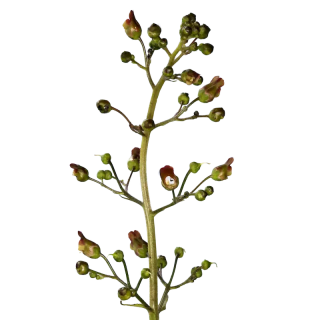
Sanicle, scientifically known as Sanicula europaea, is a perennial herb native to Europe and parts of Asia. It is recognized for its deeply lobed leaves and small, greenish-white flowers. Sanicle has a history of traditional use in herbal medicine and is valued for its potential therapeutic properties. نبات السانيكولا، المعروف علميًا باسم Sanicula europaea، هو عشب معمر موطنه الأصلي أوروبا وأجزاء من آسيا. يتميز بأوراقه ذات الفصوص العميقة وأزهاره الصغيرة ذات اللون الأبيض المخضر. للسانيكولا تاريخ طويل من الاستخدام التقليدي في الطب العشبي، ويُقدّر لخصائصه العلاجية المحتملة.
Categoryالفئة
• Traditional use for wound healing and minor injuries
• Potential astringent and anti-inflammatory effects
• Limited modern research• الاستخدام التقليدي في التئام الجروح والإصابات الطفيفة
• تأثيرات قابضة ومضادة للالتهابات محتملة
• أبحاث حديثة محدودة
Habitatالموطن
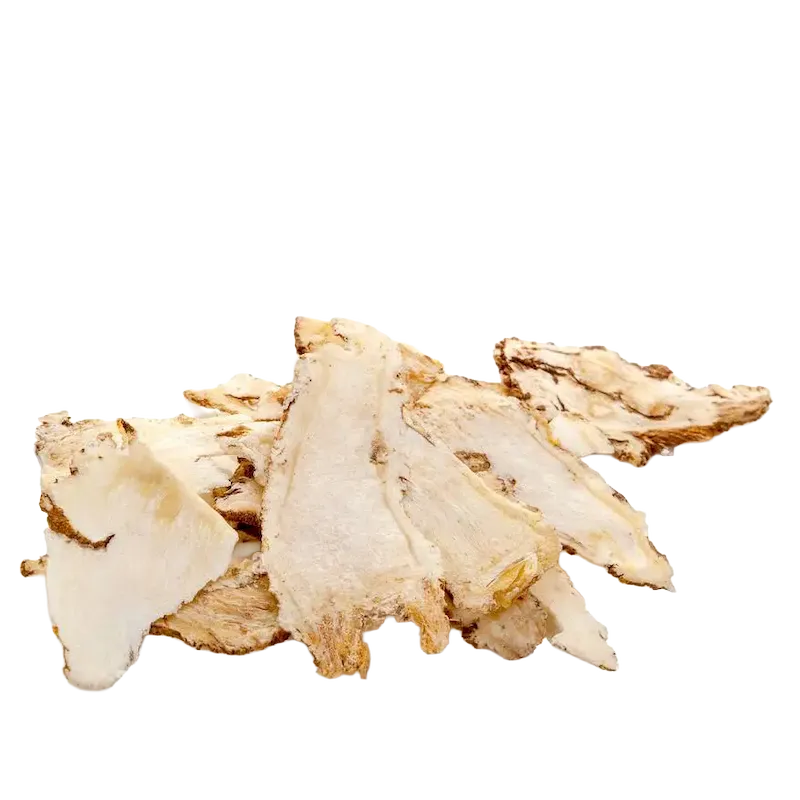
Sanicle can be found in woodlands, damp meadows, and shaded areas, often in rich, well-drained soils. It can also be cultivated for its medicinal uses. The primary part used is the root, which contains bioactive compounds responsible for its potential health benefits. ينمو نبات السانيكول في الغابات والمروج الرطبة والمناطق المظللة، غالباً في التربة الغنية جيدة التصريف. كما يُزرع أيضاً لفوائده الطبية. الجزء الأساسي المستخدم هو الجذر، الذي يحتوي على مركبات حيوية مسؤولة عن فوائده الصحية المحتملة.
Parts usedالأجزاء المستخدمة
• Root
• Herbal infusions
• Tinctures• الجذور
• المشروبات العشبية
• الصبغات
Key constituentsالمكوّنات الفعّالة
• Triterpene saponins: saniculosides A–D and saniculoside N (oleanane‑type triterpene saponin glycosides with A1‑barrigenol/R1‑barrigenol‑type aglycones).
• Phenolic acids: rosmarinic acid (often cited as principal active), caffeic acid and related phenolic acids.
• Flavonoids: quercetin and kaempferol derivatives mentioned as contributors to antioxidant activity.
• Essential‑oil sesquiterpenes (leaf oil): β‑selinene (major), caryophyllene oxide and α‑selinene, with sesquiterpene hydrocarbons making up most of the volatile fraction.• صابونينات الترايتيربين: سانيكولوسيدات A-D وسانيكولوسيد N (جليكوسيدات صابونين الترايتيربين من نوع أوليانان مع أغليكونات من نوع A1-باريجينول/R1-باريجينول).
• الأحماض الفينولية: حمض الروزمارينيك (يُشار إليه غالبًا باعتباره المادة الفعالة الرئيسية)، وحمض الكافيين، والأحماض الفينولية ذات الصلة.
• الفلافونويدات: مشتقات الكيرسيتين والكامفيرول، والتي تُذكر كمساهمات في النشاط المضاد للأكسدة.
• سيسكويتربينات الزيت العطري (زيت الأوراق): بيتا-سيلينين (الرئيسي)، وأكسيد الكاريوفيلين، وألفا-سيلينين، حيث تُشكل هيدروكربونات السيسكويتربين معظم الجزء المتطاير.
Researchالأبحاث
Research on Sanicle is limited, but it has a history of traditional use for wound healing and minor injuries. It is believed to have potential astringent and anti-inflammatory effects, which align with its traditional applications. الأبحاث حول نبات السانيكل محدودة، لكن له تاريخ طويل من الاستخدام التقليدي في التئام الجروح والإصابات الطفيفة. ويُعتقد أن له تأثيرات قابضة ومضادة للالتهابات، وهو ما يتوافق مع استخداماته التقليدية.
Published researchأبحاث منشورة
↗ "Radix Saniculae": Phytochemical Characterization and Potential Adulteration of an Austrian Traditional Wound-Healing Agent↗ Antiviral activity of Sanicula europaea L. extracts on multiplication of human parainfluenza virus type 2↗ Antiviral effect of Sanicula europaea L. leaves extractTraditional useالاستخدام التقليدي
The primary part used in herbal medicine is the root of Sanicle, known for its potential therapeutic properties. It can be prepared as herbal infusions, tinctures, or used in traditional remedies for various purposes.يُعد جذر نبات السانيكول الجزء الأساسي المستخدم في الطب العشبي، وهو معروف بخصائصه العلاجية المحتملة. ويمكن تحضيره على شكل مشروبات عشبية أو صبغات، أو استخدامه في العلاجات التقليدية لأغراض متنوعة.
Current useالاستخدام الحالي
Sanicle root can be used to prepare herbal infusions or tinctures. It is traditionally used in various remedies for wound healing, minor injuries, and other potential applications. يمكن استخدام جذر نبات السانيكول لتحضير مشروبات عشبية أو صبغات. ويُستخدم تقليدياً في علاجات متنوعة لالتئام الجروح والإصابات الطفيفة، بالإضافة إلى استخدامات أخرى محتملة.
Preparationsالتحضيرات
Infusion, Tinctureخلاصة سائلة, منقوع
Used for these conditionsيُستخدم لهذه الحالات
Adult dosageجرعة البالغين
Dosage recommendations for Sanicle may vary depending on the intended use and preparation form. It is typically used in appropriate quantities for its potential therapeutic effects. قد تختلف توصيات الجرعات لدواء سانيكل تبعاً للاستخدام المقصود وشكل التحضير. ويُستخدم عادةً بكميات مناسبة لتحقيق فوائده العلاجية المحتملة.
Child dosageجرعة الأطفال
Consult with a qualified herbalist or healthcare provider for appropriate dosages for children based on their age and specific needs. استشر أخصائي أعشاب مؤهل أو مقدم رعاية صحية لتحديد الجرعات المناسبة للأطفال بناءً على أعمارهم واحتياجاتهم الخاصة.
Cautionتحذيرات
Sanicle is generally considered safe when used as directed for its intended purposes. However, individual reactions may vary, and it is advisable to consult with a qualified healthcare provider if you have specific health concerns or are taking medications. يُعتبر دواء سانيكل آمناً بشكل عام عند استخدامه وفقاً للتعليمات وللأغراض المخصصة له. مع ذلك، قد تختلف ردود الفعل الفردية، ويُنصح باستشارة طبيب مختص في حال وجود أي مخاوف صحية محددة أو تناول أدوية أخرى.