Introductionمقدّمة
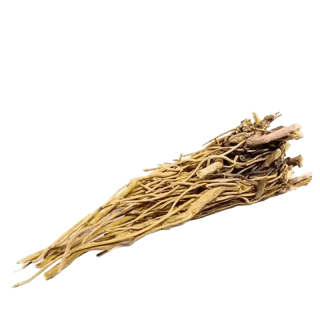
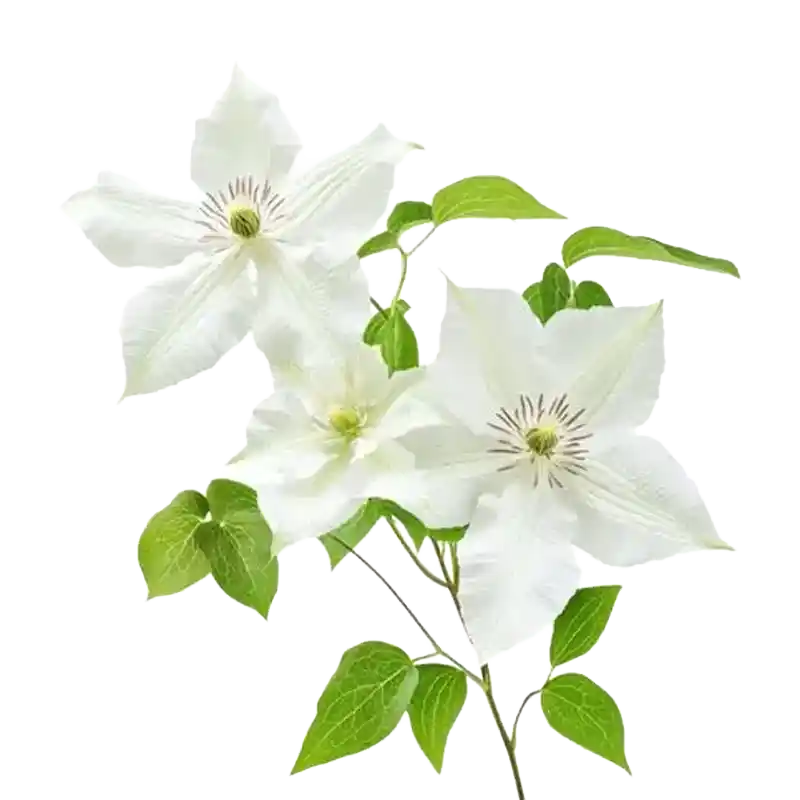
Clematis armandii — Chuanmutong — is a Chinese-medicine stem used as a diuretic to clear ‘damp-heat’ from the urinary tract, and to promote milk flow; importantly, it is the safe, approved ‘mutong’ that replaced the kidney-toxic Aristolochia-based ‘guanmutong’.كليماتيس أرماند (Clematis armandii) — «تشوان مو تونغ» — ساقٌ في الطبّ الصيني تُستعمل مُدرّاً للبول لتصفية «الحرارة الرطبة» من المسالك البولية ولإدرار الحليب؛ والمهمّ أنها «مو تونغ» الآمنة المعتمدة التي حلّت محلّ «غوان مو تونغ» السامّة للكلى المبنيّة على الأرِستولوخيا.
Categoryالفئة
• Diuretic / “promotes urination” (TCM)
• Anti-inflammatory
• Promotes lactation (traditional)
• Antioxidant
• Aristolochia-free alternative• مُدرّ للبول / «يعزّز التبوّل» (طبّ صيني)
• مضاد للالتهاب
• مُدرّ للحليب (تقليدي)
• مضاد للأكسدة
• بديلٌ خالٍ من الأرِستولوخيا
Habitatالموطن
An evergreen climbing clematis of China, whose woody stem is used medicinally.كليماتيسٌ متسلّق دائم الخضرة في الصين، تُستعمل ساقه الخشبية دواءً.
Parts usedالأجزاء المستخدمة
• Stem• الساق
Key constituentsالمكوّنات الفعّالة
• Triterpenoid saponins
• Lignans
• Flavonoids
• Sterols• صابونينات تربينية ثلاثية
• ليجنانات
• فلافونويدات
• ستيرولات
Researchالأبحاث
Studies report diuretic, anti-inflammatory (including anti-neuroinflammatory lignans) and antioxidant effects of the stem, consistent with its urinary use. Crucially, Clematis armandii (chuanmutong) does NOT contain aristolochic acid — unlike the banned Aristolochia ‘guanmutong’ it replaced. Human clinical evidence is limited.تذكر الدراسات تأثيراتٍ مُدرّة للبول ومضادة للالتهاب (ومنها ليجنانات مضادة لالتهاب الأعصاب) ومضادة للأكسدة للساق، بما يتّسق مع استعمالها البوليّ. والحاسم أنّ Clematis armandii («تشوان مو تونغ») لا تحوي الحمض الأرِستولوخي — بخلاف «غوان مو تونغ» المحظورة (أرِستولوخيا) التي حلّت محلّها. والأدلة السريرية البشرية محدودة.
Traditional useالاستخدام التقليدي
Used in Chinese medicine for painful or difficult urination and ‘damp-heat’ of the urinary tract, and to promote breast-milk flow.تُستعمل في الطبّ الصيني لعُسر أو ألم التبوّل و«الحرارة الرطبة» في المسالك البولية ولإدرار حليب الثدي.
Current useالاستخدام الحالي
Used as stem decoction and extracts, in urinary and lactation formulas.تُستعمل مغليّ ساق ومستخلصات، في تركيبات المسالك والإرضاع.
Preparationsالتحضيرات
Stem decoction, Extractمغليّ الساق، مستخلص
Used for these conditionsيُستخدم لهذه الحالات
Adult dosageجرعة البالغين
Traditional use per practitioner; for extracts follow the product.تقليدياً بحسب المختصّ؛ وللمستخلصات اتّبع الإرشاد.
Child dosageجرعة الأطفال
Use only under professional guidance for children.لا يُستعمل للأطفال إلا بإشراف مختصّ.
Cautionتحذيرات
IMPORTANT: use only true Clematis armandii (chuanmutong) or Akebia (mutong) — NOT ‘guanmutong’ (Aristolochia manshuriensis), which is banned for containing kidney-toxic, carcinogenic aristolochic acid. Its diuretic effect can add to prescription diuretics; avoid overuse and use under a qualified practitioner.مهمّ: لا تُستعمل إلا Clematis armandii الحقيقية («تشوان مو تونغ») أو الأكيبيا («مو تونغ») — لا «غوان مو تونغ» (Aristolochia manshuriensis) المحظورة لاحتوائها الحمض الأرِستولوخي السامّ للكلى المُسرطِن. وقد يُضاف أثرها المُدرّ إلى مُدرّات البول الموصوفة؛ يُتجنَّب الإفراط ويُستعمل بإشراف مختصّ مؤهّل.
Pregnancy & nursingالحمل والرضاعة
Avoid in pregnancy — a strong diuretic; use only under professional guidance.يُتجنَّب في الحمل — مُدرٌّ قويّ؛ ولا يُستعمل إلا بإشراف مختصّ.