Introductionمقدّمة
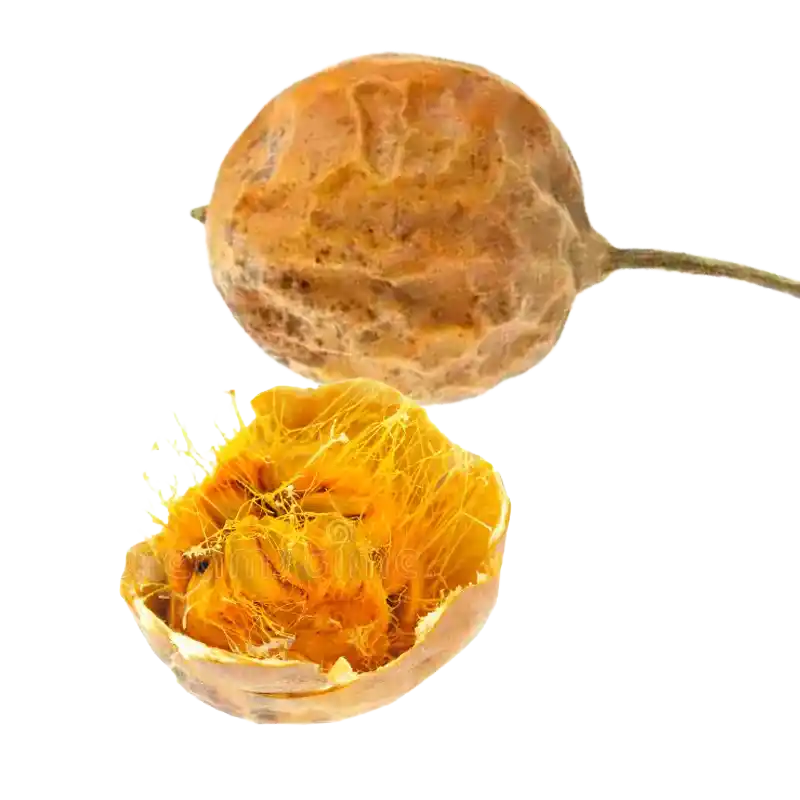
Trichosanthes kirilowii — Chinese cucumber; its fruit (Gualou) is used in Chinese medicine for cough and chest tightness, and its root (Tianhuafen) for thirst and to clear heat — the root also contains trichosanthin, a potent protein.تريكوسانثس صينية (Trichosanthes kirilowii) — «الخيار الصيني»؛ تُستعمل ثمرتها (غوا لو) في الطبّ الصيني للسعال وضيق الصدر، وجذرها (تيان هوا فِن) للعطش وتصفية الحرارة — ويحوي الجذر أيضاً «تريكوسانثين»، بروتيناً قوياً.
Categoryالفئة
• Lung / cough & chest (TCM)
• Moistening / laxative
• Anti-inflammatory
• Blood-sugar-supporting
• Root protein — caution• رئة / سعال وصدر (طبّ صيني)
• مُرطِّب / مُليّن
• مضاد للالتهاب
• داعمٌ لسكر الدم
• بروتين الجذر — حذر
Habitatالموطن
A climbing gourd of East Asia, grown for its fruit, seeds and starchy root.قرعٌ متسلّق في شرق آسيا، يُزرع لثمره وبذوره وجذره النشويّ.
Parts usedالأجزاء المستخدمة
• Fruit (gualou)
• Seeds
• Root (tianhuafen)• الثمرة (غوا لو)
• البذور
• الجذر (تيان هوا فِن)
Key constituentsالمكوّنات الفعّالة
• Trichosanthin (root protein)
• Triterpenes (cucurbitacins)
• Fatty oil (seed)
• Flavonoids
• Polysaccharides• تريكوسانثين (بروتين الجذر)
• تربينات ثلاثية (كوكوربيتاسينات)
• زيتٌ دهنيّ (البذور)
• فلافونويدات
• متعدّدات السكاريد
Researchالأبحاث
Reviews confirm expectorant, anti-inflammatory, blood-sugar-lowering and heart-supporting effects of the fruit and seed; the root protein trichosanthin is studied for antitumour and antiviral action but is potent and can be toxic/allergenic if misused. Everyday use is the fruit; the isolated root protein is not for casual use.تؤكّد المراجعات تأثيراتٍ مُقشِّعة ومضادة للالتهاب وخافضة لسكر الدم وداعمة للقلب للثمرة والبذور؛ ويُدرَس بروتين الجذر «التريكوسانثين» لفعاليةٍ مضادة للورم والفيروسات لكنه قويّ وقد يكون سامّاً/مُحسِّساً عند إساءة استعماله. والاستعمال اليوميّ هو الثمرة؛ وبروتين الجذر المعزول ليس للاستعمال العابر.
Traditional useالاستخدام التقليدي
Used in Chinese medicine — the fruit for cough with thick phlegm and chest tightness, the seeds to moisten the bowels, and the root for thirst, dry cough and to clear heat.يُستعمل في الطبّ الصيني — الثمرة للسعال المُبلغِم اللزج وضيق الصدر، والبذور لترطيب الأمعاء، والجذر للعطش والسعال الجافّ وتصفية الحرارة.
Current useالاستخدام الحالي
Used as fruit and seed decoction, root powder (tianhuafen) and extracts.يُستعمل مغليّ ثمار وبذور ومسحوق جذر (تيان هوا فِن) ومستخلصات.
Preparationsالتحضيرات
Fruit/seed decoction, Root powder (tianhuafen), Extractمغليّ الثمار/البذور، مسحوق الجذر (تيان هوا فِن)، مستخلص
Used for these conditionsيُستخدم لهذه الحالات
Adult dosageجرعة البالغين
Traditional use per practitioner; the isolated root protein is not for self-use.تقليدياً بحسب المختصّ؛ وبروتين الجذر المعزول ليس للاستعمال الذاتي.
Child dosageجرعة الأطفال
Use only under professional guidance for children.لا يُستعمل للأطفال إلا بإشراف مختصّ.
Cautionتحذيرات
The fruit and seeds are the everyday medicine and are generally well tolerated. IMPORTANT: the root protein trichosanthin is a potent abortifacient and can cause fever and allergic reactions — do NOT use the root in pregnancy, and only under a qualified practitioner. In Chinese medicine it is classically not combined with aconite (Wutou/Fuzi).الثمرة والبذور هما الدواء اليوميّ ويُتحمَّلان جيداً عموماً. مهمّ: بروتين الجذر «التريكوسانثين» مُجهِضٌ قويّ وقد يُسبّب حمّى وتفاعلاتٍ تحسّسية — لا تستعمل الجذر في الحمل، وبإشراف مختصّ مؤهّل فقط. وفي الطبّ الصيني لا يُجمَع كلاسيكياً مع «الأكونيت» (وو تو/فو تسي).
Pregnancy & nursingالحمل والرضاعة
Do NOT use in pregnancy — trichosanthin is an abortifacient; the herb is contraindicated.لا يُستعمل في الحمل — «التريكوسانثين» مُجهِض؛ والعشبة مُضادّة للاستطباب.