Introductionمقدّمة
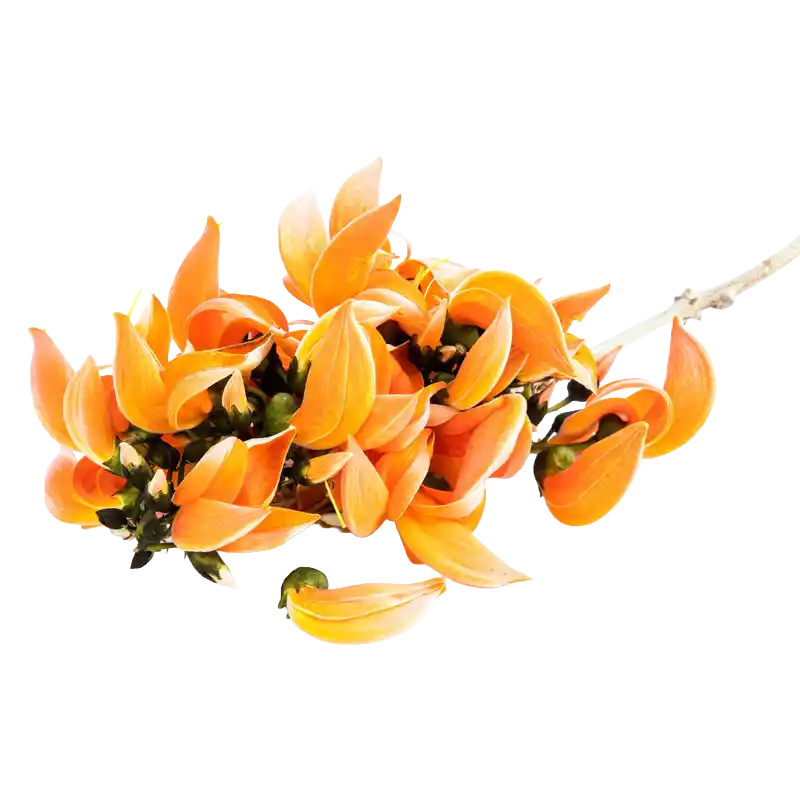
Butea monosperma — Palasha, the flame of the forest — is a striking tree with bright orange flowers, whose seeds are a traditional deworming remedy and whose bark, flowers and gum are used for the gut, skin and inflammation.شجرة اللهب (Butea monosperma) — «بالاشا» — شجرةٌ لافتة بأزهارٍ برتقالية زاهية، بذورها علاجٌ تقليديّ لطرد الديدان، ويُستعمل لحاؤها وأزهارها وصمغها للأمعاء والجلد والالتهاب.
Categoryالفئة
• Anthelmintic (deworming)
• Astringent
• Anti-inflammatory
• Antioxidant
• Hepatoprotective (preclinical)• طاردٌ للديدان
• قابض
• مضاد للالتهاب
• مضاد للأكسدة
• واقٍ للكبد (أوّلي)
Habitatالموطن
Native to the Indian subcontinent and Southeast Asia; a deciduous tree of dry plains, blazing orange when in flower.موطنها شبه القارة الهندية وجنوب شرق آسيا؛ شجرةٌ نفضيّة في السهول الجافّة، تتوهّج برتقالياً عند الإزهار.
Parts usedالأجزاء المستخدمة
• Seeds
• Bark
• Flowers
• Gum (kino)• البذور
• اللحاء
• الأزهار
• الصمغ (كينو)
Key constituentsالمكوّنات الفعّالة
• Flavonoids (butrin, isobutrin, butein)
• Chalcones
• Palasonin (seeds)
• Tannins
• Sterols• فلافونويدات (بوترين، إيزوبوترين، بوتيين)
• شالكونات
• بالاسونين (البذور)
• عفص
• ستيرولات
Researchالأبحاث
An experimental study confirmed anthelmintic (deworming) activity of the seeds, supporting a well-known traditional use; other laboratory work reports anti-inflammatory, antioxidant and liver-protective effects of the flowers and bark. Human trials are limited.أكّدت دراسةٌ تجريبية فعاليةً طاردة للديدان في البذور، بما يدعم استعمالاً تقليدياً معروفاً؛ وتُظهر دراساتٌ مخبرية أخرى تأثيراتٍ مضادة للالتهاب والأكسدة وواقيةً للكبد في الأزهار واللحاء. والتجارب البشرية محدودة.
Traditional useالاستخدام التقليدي
Used in Ayurveda for intestinal worms (seeds), diarrhoea and piles, skin diseases, and as an astringent and liver tonic; the flowers yield a traditional dye.تُستعمل في الأيورفيدا للديدان المعوية (البذور) والإسهال والبواسير والأمراض الجلدية، وقابضاً ومقوّياً للكبد؛ وتُعطي الأزهار صِبغة تقليدية.
Current useالاستخدام الحالي
Taken as seed powder (deworming), bark or flower decoctions and extracts.تُؤخذ مسحوق بذور (لطرد الديدان) ومغليّ لحاءٍ أو أزهار ومستخلصات.
Preparationsالتحضيرات
Seed powder, Bark decoction, Flower infusion, Extractمسحوق البذور، مغليّ اللحاء، نقيع الأزهار، مستخلص
Used for these conditionsيُستخدم لهذه الحالات
Adult dosageجرعة البالغين
Traditional use per practitioner; the seeds are potent — use only under guidance.تقليدياً بحسب المختصّ؛ والبذور قويّة — لا تُستعمل إلا بإشراف.
Child dosageجرعة الأطفال
Only under professional guidance for children.لا يُستعمل للأطفال إلا بإشراف مختصّ.
Cautionتحذيرات
The seeds are pharmacologically active and can be toxic if overdosed — use only in traditional preparations under guidance. Bark and flowers are milder; persistent worm or bowel problems should be assessed medically.البذور فعّالة دوائياً وقد تكون سامّة عند تجاوز الجرعة — لا تُستعمل إلا في تحضيراتٍ تقليدية بإشراف. واللحاء والأزهار أخفّ؛ ومشكلات الديدان أو الأمعاء المستمرّة تُقيَّم طبياً.
Pregnancy & nursingالحمل والرضاعة
Avoid the seeds and therapeutic doses in pregnancy.تُتجنَّب البذور والجرعات العلاجية في الحمل.