Introductionمقدّمة
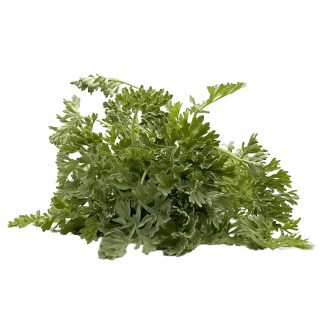
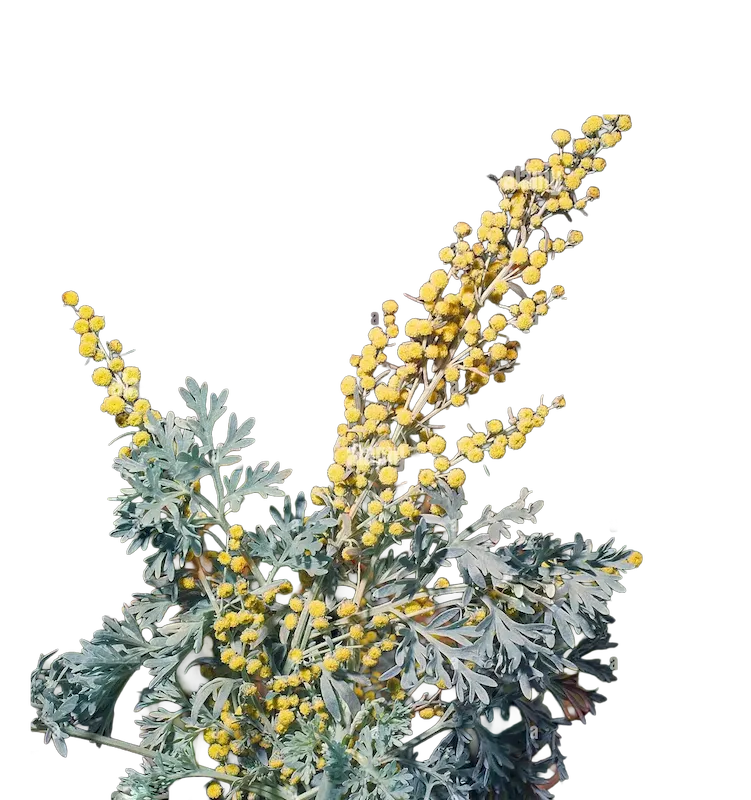
Wormwood is a herb known for its bitter flavor and is a key ingredient in absinthe. الشيح عشب معروف بنكهته المرة وهو مكون رئيسي في مشروب الأفسنتين.
Categoryالفئة
• Bitter tonic
• Vermifuge
• Cholagogue
• Anti-inflammatory• منشط مرير
• مضاد للديدان
• مدر للقنوات الصفراوية
• مضاد للالتهابات
Habitatالموطن
Native to Europe, it's found in a variety of habitats, including dry, rocky soils and wastelands. موطنها الأصلي أوروبا، وتوجد في مجموعة متنوعة من البيئات، بما في ذلك التربة الجافة والصخرية والأراضي البور.
Parts usedالأجزاء المستخدمة
• Leaves
• Flowering tops• الأوراق
• قمم الأزهار
Key constituentsالمكوّنات الفعّالة
• Thujone (alpha-thujone, beta-thujone monoterpene ketones)
• Sesquiterpene lactones (absinthin, artabsin, anabsinthin)
• Flavonoids (quercetin, luteolin, rutin)
• Phenolic acids (caffeic acid, chlorogenic acid)
• Azulenes (chamazulene)
• Essential oils (bisabolene, camphene, sabinene)
• Tannins
• Coumarins (scopoletin, umbelliferone)
• Carotenoids (beta-carotene)
• Ascorbic acid (Vitamin C)
• Acetylenic compounds• الثوجون (ألفا-ثوجون، بيتا-ثوجون، كيتونات أحادية التربين)
• لاكتونات سيسكويتربين (أبسينثين، أرتابسين، أنابسينثين)
• الفلافونويدات (كيرسيتين، لوتولين، روتين)
• الأحماض الفينولية (حمض الكافيين، حمض الكلوروجينيك)
• الأزولينات (شامازولين)
• الزيوت العطرية (بيسابولين، كامفين، سابينين)
• التانينات
• الكومارينات (سكوبوليتين، أومبليفيرون)
• الكاروتينات (بيتا-كاروتين)
• حمض الأسكوربيك (فيتامين ج)
• المركبات الأسيتيلينية
Researchالأبحاث
Wormwood research highlights its use in treating digestive disorders, especially its efficacy in stimulating appetite and bile production, and its potential as an anti-parasitic agent. تسلط الأبحاث المتعلقة بنبات الشيح الضوء على استخدامه في علاج اضطرابات الجهاز الهضمي، وخاصة فعاليته في تحفيز الشهية وإنتاج الصفراء، وإمكاناته كعامل مضاد للطفيليات.
Published researchأبحاث منشورة
↗ Wormwood (Artemisia absinthium) suppresses tumour necrosis factor alpha and accelerates healing in patients with Crohn's disease - A controlled clinical trial↗ Steroid-sparing effect of wormwood (Artemisia absinthium) in Crohn's disease: a double-blind placebo-controlled study↗ Bioactive Compounds, Pharmacological Actions, and (Artemisia absinthium review)Traditional useالاستخدام التقليدي
Historically used for digestive issues, worm infestations, and as a flavoring agent in beverages. استُخدمت تاريخياً لعلاج مشاكل الجهاز الهضمي، والإصابة بالديدان، وكعامل منكه في المشروبات.
Current useالاستخدام الحالي
Used in tinctures, teas, and as a flavoring in absinthe and other liquors. يستخدم في الصبغات والشاي، وكنكهة في الأفسنتين والمشروبات الكحولية الأخرى.
Preparationsالتحضيرات
Tea, Tinctureشاي, خلاصة سائلة
Used for these conditionsيُستخدم لهذه الحالات
Adult dosageجرعة البالغين
Typical adult dose: 1–1.5 g dried aerial parts as an infusion, or 1–2 mL tincture (1:5), up to 3 times daily before meals, for no longer than 2–4 weeks. Do not exceed the recommended amount and do not ingest the essential oil or absinthe extracts (high thujone content risks seizures and neurotoxicity).الجرعة المعتادة للبالغين: 1–1.5 غرام من الأجزاء الهوائية المجففة كمنقوع، أو 1–2 مل صبغة (1:5)، حتى 3 مرات يومياً قبل الطعام، ولمدة لا تتجاوز 2–4 أسابيع. لا تتجاوز الكمية الموصى بها ولا تبلع الزيت العطري أو مستخلصات الأفسنتين (محتوى الثوجون العالي يسبب خطر التشنجات والسمية العصبية).
Child dosageجرعة الأطفال
Not recommended for children due to the presence of thujone. لا يُنصح به للأطفال بسبب وجود مادة الثوجون.
Cautionتحذيرات
High doses can be neurotoxic due to thujone. Avoid in pregnancy and epilepsy. قد تكون الجرعات العالية سامة للأعصاب بسبب مادة الثوجون. يُنصح بتجنبها أثناء الحمل وفي حالات الصرع.
Pregnancy & nursingالحمل والرضاعة
Avoid during Pregnancy/Nursingيمنع أثناء الحمل والرضاعة