
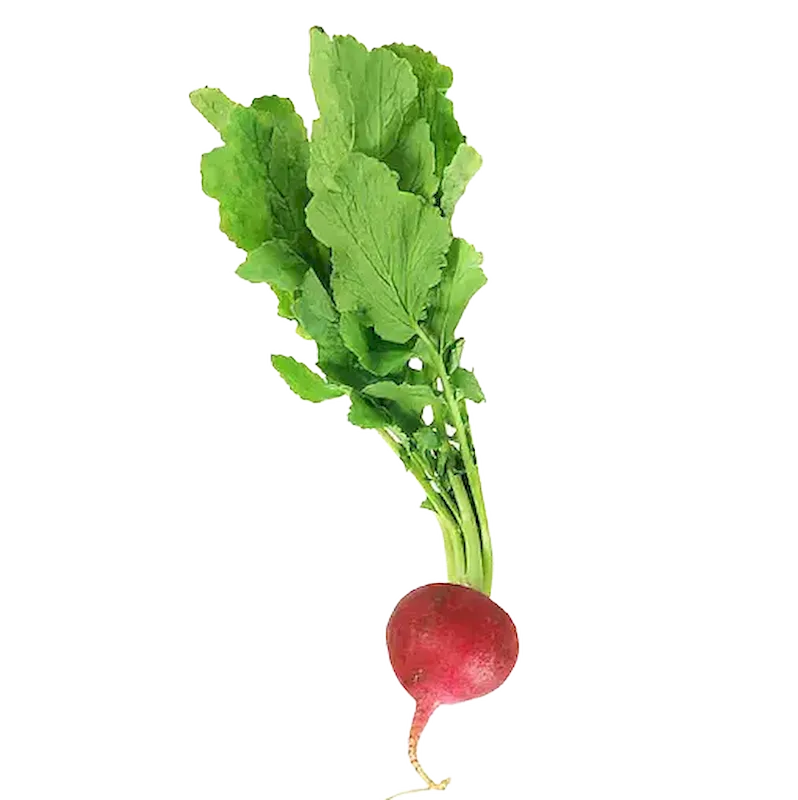
Introductionمقدّمة
Radish, scientifically known as Raphanus sativus, is an edible root vegetable belonging to the Brassicaceae family. It is well-known for its crisp texture and peppery flavor, making it a popular addition to salads and various dishes. While primarily a culinary ingredient, Radish has some potential health benefits. الفجل، واسمه العلمي Raphanus sativus، هو نبات جذري صالح للأكل ينتمي إلى الفصيلة الكرنبية. يشتهر الفجل بقوامه المقرمش ونكهته اللاذعة، مما يجعله إضافة شائعة للسلطات والأطباق المختلفة. ورغم أنه يُستخدم في المقام الأول كمكون في الطهي، إلا أن للفجل بعض الفوائد الصحية المحتملة.
Categoryالفئة
• Potential antioxidant effects
• Culinary use for flavor and texture
• Possible digestive benefits• تأثيرات مضادة للأكسدة محتملة
• استخدامات طهي لتحسين النكهة والقوام
• فوائد هضمية محتملة
Habitatالموطن
Radish is cultivated worldwide and is easily grown in various climates. It prefers well-drained soil and is a cool-season crop. The primary part used is the root, known for its culinary uses and potential nutritional value. يُزرع الفجل في جميع أنحاء العالم، وينمو بسهولة في مختلف المناخات. يُفضل التربة جيدة التصريف، وهو من محاصيل الموسم البارد. الجزء الأساسي المستخدم هو الجذر، المعروف بفوائده في الطهي وقيمته الغذائية العالية.
Parts usedالأجزاء المستخدمة
• Roots
• Greens (leaves)• الجذور
• الخضراوات (الأوراق)
Key constituentsالمكوّنات الفعّالة
• Glucosinolates (root and seed): predominantly glucoraphasatin in roots, and in seeds mainly glucoraphenin, with additional glucosinolates such as glucoraphanin, glucoerucin, gluconasturtiin and glucobrassicin.
• Isothiocyanates (from glucosinolate hydrolysis): 4-methylthio-3-butenyl isothiocyanate (raphasatin), 4-(methylthio)butyl isothiocyanate (erucin), sulforaphene, allyl, benzyl and phenethyl isothiocyanates and related ITCs that give pungency and bioactivity.
• Phenolics and flavonoids: various phenolic acids and flavonoids (including anthocyanins in red/purple cultivars) contributing to antioxidant capacity.
• Seed oil fatty acids: oil rich in oleic, linoleic, α‑linolenic, erucic and gondoic acids, with a high overall unsaturated fatty acid fraction.
• Other components: brassinosteroids, alkaloids, general flavonoids in seeds, plus vitamin C, sugars and minerals (e.g., potassium) in roots as primary nutrients.
• الجلوكوزينولات (الجذور والبذور): تتكون الجذور بشكل أساسي من جلوكورافاساتين، بينما تتكون البذور بشكل رئيسي من جلوكورافينين، بالإضافة إلى جلوكوزينولات أخرى مثل جلوكورافانين، وجلوكوإيروسين، وجلوكوناستورتين، وجلوكوبراسيسين.
• إيزوثيوسيانات (ناتجة عن تحلل الجلوكوزينولات): 4-ميثيل ثيو-3-بيوتينيل إيزوثيوسيانات (رافاساتين)، و4-(ميثيل ثيو)بيوتيل إيزوثيوسيانات (إيروسين)، وسلفورافين، وأليل، وبنزيل، وفينيل إيثيل إيزوثيوسيانات، ومركبات إيزوثيوسيانات ذات صلة تُكسب النبات نكهته اللاذعة وفعاليته البيولوجية.
• المركبات الفينولية والفلافونويدات: تساهم أحماض فينولية وفلافونويدات متنوعة (بما في ذلك الأنثوسيانين في الأصناف الحمراء/البنفسجية) في القدرة المضادة للأكسدة.
• الأحماض الدهنية في زيت البذور: زيت غني بأحماض الأوليك واللينوليك وألفا-لينولينيك والإيروسيك والجوندويك، مع نسبة عالية من الأحماض الدهنية غير المشبعة.
• مكونات أخرى: براسينوستيرويدات، قلويدات، فلافونويدات عامة في البذور، بالإضافة إلى فيتامين ج، سكريات ومعادن (مثل البوتاسيوم) في الجذور كمغذيات أساسية.
Researchالأبحاث
Research on Radish has focused on its nutritional content, including glucosinolates, vitamins, and minerals. While primarily used in culinary applications, it has potential antioxidant effects and may offer digestive benefits. ركزت الأبحاث على الفجل على محتواه الغذائي، بما في ذلك الجلوكوزينولات والفيتامينات والمعادن. ورغم استخدامه بشكل أساسي في الطهي، إلا أنه يتمتع بخصائص مضادة للأكسدة وقد يُفيد الجهاز الهضمي.
Traditional useالاستخدام التقليدي
Radish roots are primarily used in culinary dishes, salads, and pickles for their crisp texture and peppery flavor. They are also used as a garnish. Radish greens (leaves) are sometimes consumed as well. It is valued for its culinary versatility and potential nutritional value. تُستخدم جذور الفجل بشكل أساسي في أطباق الطهي والسلطات والمخللات لملمسها المقرمش ونكهتها اللاذعة. كما تُستخدم أيضًا كزينة. وتُستهلك أوراق الفجل أحيانًا. ويُقدّر الفجل لتعدد استخداماته في الطهي وقيمته الغذائية العالية.
Current useالاستخدام الحالي
Radish roots are the primary part used for culinary purposes, while the greens (leaves) can also be consumed. Radishes are typically eaten fresh in salads or as a garnish. They can also be pickled or used in various dishes. تُستخدم جذور الفجل بشكل أساسي في الطهي، بينما يمكن تناول أوراقه أيضًا. يُؤكل الفجل عادةً طازجًا في السلطات أو كزينة. كما يمكن تخليله أو استخدامه في أطباق متنوعة.
Preparationsالتحضيرات
Culinary, Whole (Fresh/Dried)طهي, كامل (طازج/مجفف)
Used for these conditionsيُستخدم لهذه الحالات
Adult dosageجرعة البالغين
Radishes are typically used in culinary applications, and there are no specific dosages for children or adults. They can be consumed in moderation as part of a balanced diet. يُستخدم الفجل عادةً في الطهي، ولا توجد جرعات محددة للأطفال أو البالغين. يمكن تناوله باعتدال كجزء من نظام غذائي متوازن.
Child dosageجرعة الأطفال
Radishes are safe to consume in reasonable amounts as part of a balanced diet. There are no specific dosages for children or adults when using radishes in culinary dishes or salads.يُعدّ الفجل آمناً للاستهلاك بكميات معقولة كجزء من نظام غذائي متوازن. ولا توجد جرعات محددة للأطفال أو البالغين عند استخدام الفجل في الأطباق أو السلطات.
Cautionتحذيرات
Radishes are generally safe for consumption as a food ingredient. However, individuals with specific food allergies or sensitivities should exercise caution, and excessive consumption may lead to digestive discomfort in some individuals. يُعتبر الفجل آمناً بشكل عام للاستهلاك كمكون غذائي. مع ذلك، ينبغي على الأشخاص الذين يعانون من حساسية تجاه أنواع معينة من الطعام توخي الحذر، وقد يؤدي الإفراط في تناوله إلى اضطرابات هضمية لدى بعض الأشخاص.


