Introductionمقدّمة
Buckwheat, scientifically known as Fagopyrum esculentum, is a versatile and nutritious plant belonging to the Polygonaceae family. While not a traditional herb, it is recognized for its many culinary and potential health benefits. Buckwheat has a long history of consumption as a staple food and is valued for its rich nutrient profile and versatility in cooking. الحنطة السوداء، واسمها العلمي Fagopyrum esculentum، نبات متعدد الاستخدامات وغني بالعناصر الغذائية، ينتمي إلى الفصيلة البطباطية. ورغم أنها ليست من الأعشاب التقليدية، إلا أنها معروفة بفوائدها الغذائية العديدة وفوائدها الصحية المحتملة. وللحنطة السوداء تاريخ طويل في الاستهلاك كغذاء أساسي، وهي تُقدّر لغناها بالعناصر الغذائية وتعدد استخداماتها في الطهي.
Categoryالفئة
• Potential antioxidant
• Potential cardiovascular support
• Traditional food source• مضاد أكسدة محتمل
• دعم محتمل لصحة القلب والأوعية الدموية
• مصدر غذائي تقليدي
Habitatالموطن
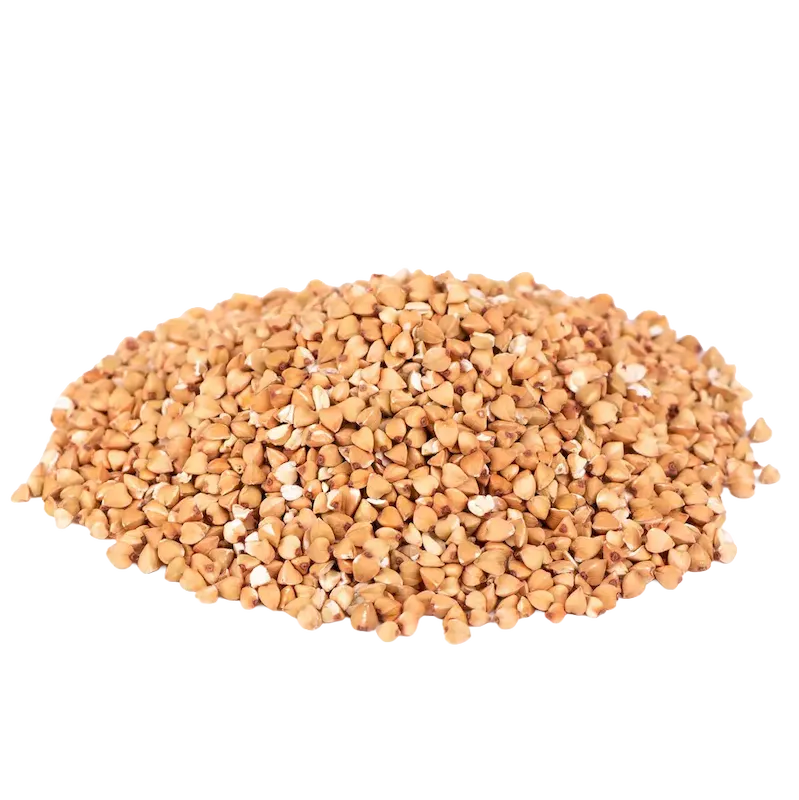
Buckwheat is cultivated in various regions worldwide, including Europe, Asia, and North America. It thrives in cool climates and well-drained soils. The seeds of the buckwheat plant are primarily used, and it is traditionally consumed as a nutritious food source. Buckwheat is appreciated for its potential health benefits, such as providing essential nutrients and supporting overall well-being.يُزرع الحنطة السوداء في مناطق مختلفة حول العالم، بما في ذلك أوروبا وآسيا وأمريكا الشمالية. وتزدهر في المناخات الباردة والتربة جيدة التصريف. تُستخدم بذور نبات الحنطة السوداء بشكل أساسي، وتُستهلك تقليديًا كمصدر غذائي غني بالعناصر الغذائية. تُقدّر الحنطة السوداء لفوائدها الصحية المحتملة، مثل توفير العناصر الغذائية الأساسية ودعم الصحة العامة.
Parts usedالأجزاء المستخدمة
• Seeds • بذور
Key constituentsالمكوّنات الفعّالة
• Flavonoids (rutin — abundant in leaves/flowers, low in the groat; plus quercetin, vitexin, isovitexin)• الفلافونويدات (الروتين — وفير في الأوراق/الأزهار ومنخفض في الحبّة؛ إضافةً إلى الكيرسيتين والفيتكسين والإيزوفيتكسين)
Researchالأبحاث
Research on Buckwheat has focused on its chemical constituents, including rutin, quercetin, and essential amino acids. It is valued for its potential antioxidant properties and cardiovascular support. Buckwheat is traditionally consumed as a nutritious food source.ركزت الأبحاث على الحنطة السوداء على مكوناتها الكيميائية، بما في ذلك الروتين والكيرسيتين والأحماض الأمينية الأساسية. وهي تُقدّر لخصائصها المضادة للأكسدة ودعمها لصحة القلب والأوعية الدموية. وتُستهلك الحنطة السوداء تقليديًا كمصدر غذائي غني بالعناصر الغذائية.
Published researchأبحاث منشورة
↗ Buckwheat and Cardiometabolic Health: A Systematic Review and Meta-Analysis↗ Systematic Review of Human and Animal Evidence on the Role of Buckwheat Consumption on Gastrointestinal Health↗ A randomized, controlled, crossover study of appetite-related sensations after consuming snacks made from buckwheatTraditional useالاستخدام التقليدي
Buckwheat is traditionally consumed as a staple food in various culinary dishes, such as pancakes, noodles, and porridge. It is known for its rich nutrient content and versatility in cooking, making it a valuable addition to a balanced diet. يُستهلك الحنطة السوداء تقليدياً كغذاء أساسي في العديد من الأطباق، مثل الفطائر والمعكرونة والعصيدة. وهي معروفة بمحتواها الغذائي الغني وتعدد استخداماتها في الطهي، مما يجعلها إضافة قيّمة لنظام غذائي متوازن.
Current useالاستخدام الحالي
The seeds of the Buckwheat plant are the primary parts used, and they are used in various culinary preparations. Buckwheat can be ground into flour, cooked as whole groats, or incorporated into a variety of dishes for their potential nutritional benefits. تُعدّ بذور نبات الحنطة السوداء الأجزاء الأساسية المستخدمة، وتُستخدم في العديد من الأطباق. يمكن طحن الحنطة السوداء إلى دقيق، أو طهيها كحبوب كاملة، أو إضافتها إلى مجموعة متنوعة من الأطباق لما لها من فوائد غذائية محتملة.
Preparationsالتحضيرات
Culinary, Whole (Fresh/Dried)طهي, كامل (طازج/مجفف)
Used for these conditionsيُستخدم لهذه الحالات
Adult dosageجرعة البالغين
Buckwheat is primarily consumed as a food source and is not typically used for medicinal purposes in traditional herbal medicine. Dosages are determined by culinary use rather than medicinal applications. Consult with a qualified nutritionist or chef for guidance on incorporating buckwheat into your diet.يُستهلك الحنطة السوداء بشكل أساسي كمصدر غذائي، ولا تُستخدم عادةً لأغراض طبية في الطب العشبي التقليدي. وتُحدد الجرعات بناءً على الاستخدام في الطهي وليس على التطبيقات الطبية. استشر أخصائي تغذية مؤهلاً أو طاهياً للحصول على إرشادات حول كيفية إدخال الحنطة السوداء في نظامك الغذائي.
Child dosageجرعة الأطفال
Buckwheat is primarily consumed as a food source and is not typically used for medicinal purposes in traditional herbal medicine. Dosages are determined by culinary use rather than medicinal applications. Consult with a qualified nutritionist or chef for guidance on incorporating buckwheat into your diet.يُستهلك الحنطة السوداء بشكل أساسي كمصدر غذائي، ولا تُستخدم عادةً لأغراض طبية في الطب العشبي التقليدي. وتُحدد الجرعات بناءً على الاستخدام في الطهي وليس على التطبيقات الطبية. استشر أخصائي تغذية مؤهلاً أو طاهياً للحصول على إرشادات حول كيفية إدخال الحنطة السوداء في نظامك الغذائي.
Cautionتحذيرات
Generally safe as a food, but buckwheat is a recognised cause of severe food allergy, including life-threatening anaphylaxis in sensitised individuals — anyone with a buckwheat allergy must avoid it completely. Buckwheat also contains fagopyrin, a photosensitising compound; very high intake (especially of sprouts or flowering parts) can cause light-sensitivity skin reactions (fagopyrism).آمنة عمومًا كغذاء، لكن الحنطة السوداء من الأسباب المعروفة للحساسية الغذائية الشديدة، بما في ذلك صدمة الحساسية المهدِّدة للحياة لدى المتحسسين — على من لديه حساسية تجاهها تجنّبها تمامًا. كما تحتوي الحنطة السوداء على الفاجوبيرين، وهو مركب مُحسِّس للضوء؛ وقد يُسبّب تناول كميات كبيرة جدًا (خصوصًا البراعم والأجزاء المزهرة) تفاعلات جلدية حساسة للضوء (فاجوبيريزم).