Introductionمقدّمة
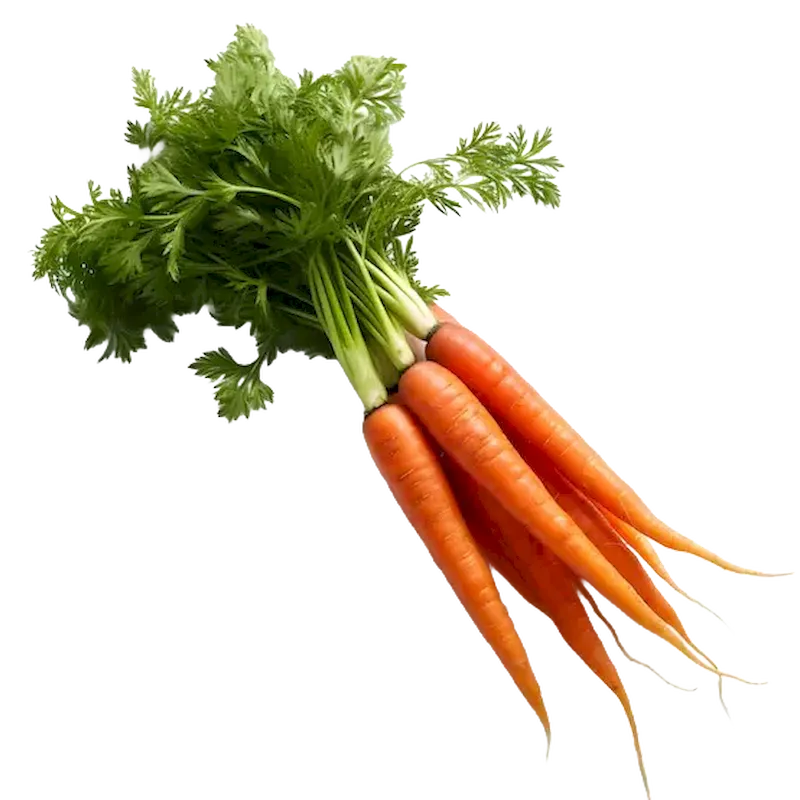
Carrot, scientifically known as Daucus carota, is a biennial root vegetable belonging to the Apiaceae family. It is native to Europe and Asia and is renowned for its edible taproot, which is consumed worldwide for its nutritional value and culinary versatility.الجزر، المعروف علمياً باسم Daucus carota، هو نبات جذري ثنائي الحول ينتمي إلى الفصيلة الخيمية. موطنه الأصلي أوروبا وآسيا، ويشتهر بجذره الوتدي الصالح للأكل، والذي يُستهلك في جميع أنحاء العالم لقيمته الغذائية وتعدد استخداماته في الطهي.
Categoryالفئة
• Nutrient-rich
• Potential antioxidant
• Traditional use for eye health• غني بالعناصر الغذائية
• مضاد أكسدة محتمل
• استخدام تقليدي لصحة العين
Habitatالموطن
Carrots are cultivated in various temperate regions globally, and they thrive in well-drained, sandy soils. The edible part of the plant is the taproot, which is rich in vitamins, minerals, and antioxidants. Carrots are primarily used as a food source and are known for their potential health benefits. تُزرع الجزر في مناطق معتدلة مختلفة حول العالم، وتزدهر في التربة الرملية جيدة التصريف. الجزء الصالح للأكل من النبات هو الجذر الرئيسي، الغني بالفيتامينات والمعادن ومضادات الأكسدة. تُستخدم الجزر بشكل أساسي كمصدر غذائي، وتُعرف بفوائدها الصحية المحتملة.
Parts usedالأجزاء المستخدمة
• Taproot (Carrot root) • الجذر الوتدي (جذر الجزر)
Key constituentsالمكوّنات الفعّالة
• Beta-carotene (provitamin A carotenoid — ~8,285 mcg/100g; antioxidant, vision health, immune support)
• Alpha-carotene (carotenoid — ~3,427 mcg/100g; antioxidant, anti-cancer)
• Lutein + zeaxanthin (xanthophyll carotenoids — ~256 mcg/100g; eye health)
• Lycopene (trace carotenoid — antioxidant; higher in red carrots)
• Falcarinol (polyacetylene — anti-cancer, antifungal; ~1.2 mg/100g)
• Falcarindiol (polyacetylene — anti-inflammatory, antifungal)
• Vitamin C (ascorbic acid — ~5.9 mg/100g; antioxidant, immune support)
• Vitamin K1 (~13.2 mcg/100g — coagulation, bone health)
• Dietary fiber (~2.8g/100g — soluble/insoluble; digestive support, prebiotic)
• Potassium (~320 mg/100g — cardiovascular support)
• Phenolic acids (chlorogenic acid, caffeic acid, coumaric acid — antioxidant)
• Flavonoids (quercetin, kaempferol, luteolin — anti-inflammatory)
• Phthalides (3-n-butylphthalide — vasodilatory, calming)
• Anthocyanins (purple carrots: cyanidin-3-glucoside — antioxidant)
• Minerals (calcium, phosphorus, magnesium, iron — nutritive)• بيتا كاروتين (كاروتينويد بروفيتامين أ - حوالي 8285 ميكروغرام/100 غرام؛ مضاد للأكسدة، صحة البصر، دعم المناعة)
• ألفا كاروتين (كاروتينويد - حوالي 3427 ميكروغرام/100 غرام؛ مضاد للأكسدة، مضاد للسرطان)
• لوتين + زياكسانثين (كاروتينويدات زانثوفيل - حوالي 256 ميكروغرام/100 غرام؛ صحة العين)
• ليكوبين (كاروتينويد بكميات ضئيلة - مضاد للأكسدة؛ أعلى في الجزر الأحمر)
• فالكارينول (بولي أسيتيلين - مضاد للسرطان، مضاد للفطريات؛ حوالي 1.2 ملغ/100 غرام)
• فالكارينديول (بولي أسيتيلين - مضاد للالتهابات، مضاد للفطريات)
• فيتامين ج (حمض الأسكوربيك - حوالي 5.9 ملغ/100 غرام؛ مضاد للأكسدة، دعم المناعة)
• فيتامين ك1 (حوالي 13.2 ميكروغرام/100 غرام - تخثر الدم، صحة العظام)
• الألياف الغذائية (حوالي 2.8 غ/100 غ - قابل للذوبان/غير قابل للذوبان؛ داعم للجهاز الهضمي، بريبيوتيك)
• بوتاسيوم (حوالي 320 ملغ/100 غ - داعم للقلب والأوعية الدموية)
• أحماض فينولية (حمض الكلوروجينيك، حمض الكافيين، حمض الكوماريك - مضاد للأكسدة)
• فلافونويدات (كيرسيتين، كامفيرول، لوتولين - مضاد للالتهابات)
• فثاليدات (3-ن-بوتيل فثاليدي - موسع للأوعية الدموية، مهدئ)
• أنثوسيانين (جزر بنفسجي: سيانيدين-3-غلوكوزيد - مضاد للأكسدة)
• معادن (كالسيوم، فوسفور، مغنيسيوم، حديد - مغذي)
Researchالأبحاث
Research on Carrots has highlighted their nutritional content, including beta-carotene and vitamin C, and their potential antioxidant properties. They are traditionally associated with promoting eye health and are widely consumed as a vegetable or juice. أبرزت الأبحاث التي أُجريت على الجزر محتواه الغذائي، بما في ذلك البيتا كاروتين وفيتامين ج، وخصائصه المضادة للأكسدة. ويرتبط الجزر تقليدياً بتعزيز صحة العين، ويُستهلك على نطاق واسع كخضار أو عصير.
Published researchأبحاث منشورة
↗ Evaluation of the effect of carrot seed (Daucus Carota) in women of fertile age with hypoactive sexual desire disorder: A randomized double-blind clinical trial↗ Phytochemicals in Daucus carota and Their Health Benefits-Review Article↗ The Wild Carrot (Daucus carota): A Phytochemical and Pharmacological ReviewTraditional useالاستخدام التقليدي
Carrots have been a staple in culinary traditions worldwide, used in a variety of dishes, from salads to soups. They are also known for their potential to support eye health and are consumed fresh, cooked, or as juice. Carrot extracts and supplements are used for their potential nutritional benefits. يُعدّ الجزر مكونًا أساسيًا في تقاليد الطهي حول العالم، حيث يُستخدم في أطباق متنوعة، من السلطات إلى الحساء. كما يُعرف بفوائده المحتملة لصحة العين، ويُستهلك طازجًا أو مطبوخًا أو كعصير. وتُستخدم مستخلصات الجزر ومكملاته الغذائية لما لها من فوائد غذائية محتملة.
Current useالاستخدام الحالي
The taproot, or Carrot root, is the edible part of the plant and is used in numerous culinary preparations, such as salads, side dishes, and soups. Carrots can also be juiced or incorporated into dietary supplements for their potential health benefits. يُعدّ جذر الجزر، أو الجذر الرئيسي، الجزء الصالح للأكل من النبات، ويُستخدم في العديد من الأطباق، مثل السلطات والأطباق الجانبية والحساء. كما يُمكن عصر الجزر أو إضافته إلى المكملات الغذائية لما له من فوائد صحية محتملة.
Preparationsالتحضيرات
Culinary, Extract, Juice, Supplementطهي, عصير, مستخلص جاف, مكمل غذائي
Used for these conditionsيُستخدم لهذه الحالات
Adult dosageجرعة البالغين
Dosage recommendations for Carrots in culinary applications may vary based on individual preferences and recipes. For carrot juice, consume as desired. For dietary supplements containing carrot extracts, follow the dosing instructions on the product label or consult with a healthcare provider for guidance. قد تختلف توصيات الجرعات للجزر في الطهي بناءً على التفضيلات الشخصية والوصفات. بالنسبة لعصير الجزر، يُستهلك حسب الرغبة. أما بالنسبة للمكملات الغذائية التي تحتوي على مستخلصات الجزر، فيُرجى اتباع تعليمات الجرعات الموجودة على ملصق المنتج أو استشارة مقدم الرعاية الصحية للحصول على التوجيه اللازم.
Child dosageجرعة الأطفال
Dosage recommendations for Carrots in culinary dishes depend on individual preferences and recipes. For carrot juice, consume as desired. For dietary supplements containing carrot extracts, follow the dosing instructions on the product label or consult with a healthcare provider for guidance.تعتمد توصيات جرعات الجزر في الأطباق على التفضيلات الشخصية والوصفات. بالنسبة لعصير الجزر، يُستهلك حسب الرغبة. أما بالنسبة للمكملات الغذائية التي تحتوي على مستخلصات الجزر، فيُرجى اتباع تعليمات الجرعة الموجودة على ملصق المنتج أو استشارة مقدم الرعاية الصحية للحصول على التوجيه اللازم.
Cautionتحذيرات
Carrots are generally considered safe for consumption as a food source and when used in dietary supplements when used as directed. However, individuals with known allergies or sensitivities to carrots should exercise caution. Pregnant or breastfeeding individuals can include carrots in their diet for their nutritional benefits. يُعتبر الجزر آمناً بشكل عام للاستهلاك كمصدر غذائي، وكذلك عند استخدامه في المكملات الغذائية وفقاً للإرشادات. مع ذلك، ينبغي على الأشخاص الذين يعانون من حساسية تجاه الجزر توخي الحذر. يمكن للحوامل والمرضعات إدراج الجزر في نظامهن الغذائي للاستفادة من فوائده الغذائية.
Pregnancy & nursingالحمل والرضاعة
Carrot (the root vegetable) is a food and is safe in normal dietary amounts during pregnancy and lactation. Note: wild carrot SEED (a traditional emmenagogue) is a separate preparation to avoid in pregnancy, but that is not the root described here.الجزر (الجذر) غذاء وآمن بالكميات الغذائية المعتادة أثناء الحمل والرضاعة. ملاحظة: بذور الجزر البري (مُدرّ للطمث تقليدياً) مستحضر منفصل يُتجنب أثناء الحمل، وهو غير الجذر الموصوف هنا.