Introductionمقدّمة
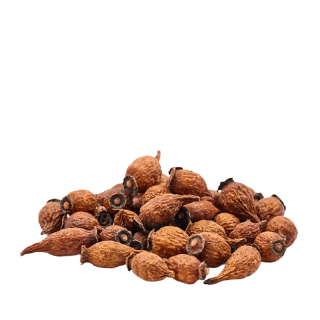
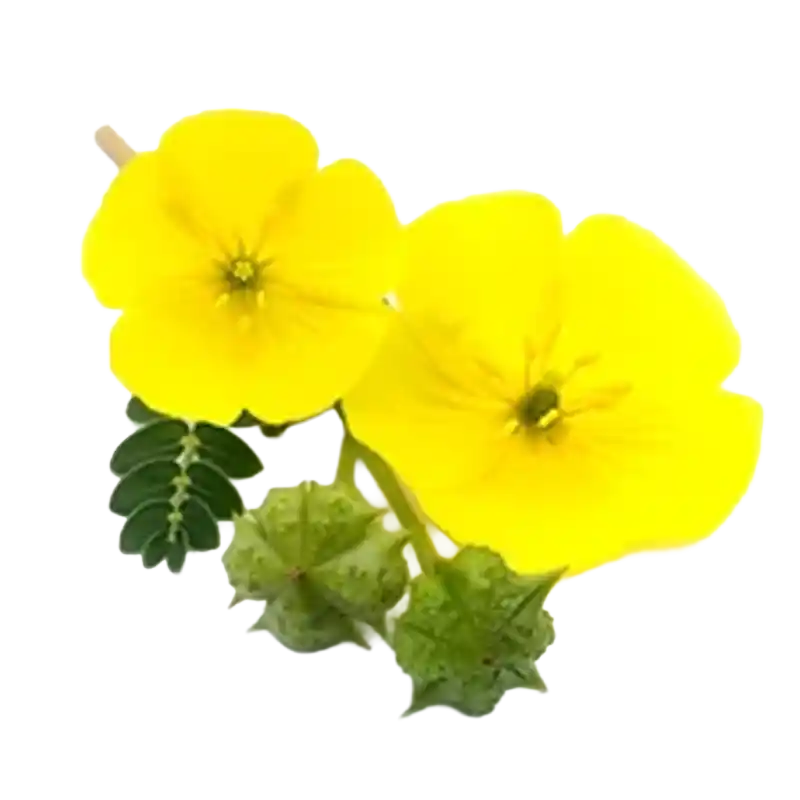
Tribulus terrestris — Gokshura in Ayurveda, al-hasak in Arabic — is a low creeping herb with spiny fruits, traditionally used for the urinary tract and as a male tonic, and marketed heavily (on weak evidence) as a testosterone and libido booster.الحَسَك (Tribulus terrestris) — «جوكشورا» في الأيورفيدا — عشبةٌ زاحفة منخفضة ذات ثمارٍ شوكية، تُستعمل تقليدياً للمسالك البولية ومقوّياً للرجال، وتُسوَّق بكثافة (بأدلةٍ ضعيفة) مُعزّزاً للتستوستيرون والرغبة.
Categoryالفئة
• Aphrodisiac (traditional)
• Diuretic
• Antioxidant
• Anti-inflammatory
• Reputed testosterone tonic• مُنشّط جنسي (تقليدي)
• مُدرّ للبول
• مضاد للأكسدة
• مضاد للالتهاب
• يُشتهر مقوّياً للتستوستيرون
Habitatالموطن
A hardy weed of dry, sandy and disturbed ground across the Mediterranean, Middle East, Africa and Asia, tolerating heat and drought.عشبةٌ صلبة في الأراضي الجافّة الرملية والمُقلقَلة في حوض المتوسط والشرق الأوسط وإفريقيا وآسيا، تتحمّل الحرّ والجفاف.
Parts usedالأجزاء المستخدمة
• Fruit
• Whole plant
• Root• الثمرة
• النبات كاملاً
• الجذر
Key constituentsالمكوّنات الفعّالة
• Steroidal saponins (protodioscin, dioscin)
• Flavonoids
• Alkaloids (harman, harmine)
• Sterols
• Tannins• صابونينات ستيرويدية (بروتوديوسسين، ديوسسين)
• فلافونويدات
• قلويدات (هارمان، هارمين)
• ستيرولات
• عفص
Researchالأبحاث
Despite its reputation, controlled trials do not consistently show that Tribulus raises testosterone in healthy men; reviews find at best a modest, inconsistent effect on libido or erectile function and little effect on hormones or athletic performance. Traditional support is clearer for urinary and kidney-stone complaints.رغم شهرته، لا تُظهر التجارب المضبوطة باستمرار أنّ الحَسَك يرفع التستوستيرون لدى الرجال الأصحّاء؛ وتجد المراجعات في أفضل الأحوال أثراً متواضعاً وغير ثابت في الرغبة أو الانتصاب، وأثراً ضئيلاً في الهرمونات أو الأداء الرياضي. والسند التقليدي أوضح في شكاوى المسالك البولية وحصى الكلى.
Traditional useالاستخدام التقليدي
Used in Ayurvedic (Gokshura) and Unani/Arabic medicine for urinary problems, kidney and bladder stones, low libido, and as a general tonic and diuretic.يُستعمل في الطبّ الأيورفيدي (جوكشورا) والعربي/اليوناني لمشكلات البول وحصى الكلى والمثانة وضعف الرغبة، ومقوّياً عاماً ومُدرّاً للبول.
Current useالاستخدام الحالي
Sold widely as capsules and extracts standardised to saponins, in “testosterone booster” and sports supplements, and as traditional fruit decoctions.يُباع على نطاق واسع كبسولاتٍ ومستخلصاتٍ مِعيارية على الصابونينات، ضمن مكمّلات «رفع التستوستيرون» والرياضة، وكمغليّ ثمارٍ تقليدي.
Preparationsالتحضيرات
Capsule, Extract, Powder, Decoctionكبسولات، مستخلص، مسحوق، مغليّ
Used for these conditionsيُستخدم لهذه الحالات
Adult dosageجرعة البالغين
Commonly 250–750 mg of standardised extract daily; use short-term and follow product guidance. Benefits are not well established.شائعاً 250–750 ملغ من المستخلص المِعياري يومياً؛ يُستعمل لأمدٍ قصير وبحسب إرشاد المنتج. والفوائد غير مُثبَتة جيداً.
Child dosageجرعة الأطفال
Not recommended for children.لا يُنصَح به للأطفال.
Cautionتحذيرات
Rare but serious cases of liver and kidney injury have been reported with Tribulus supplements. It may lower blood sugar and blood pressure (additive with related medicines) and may affect hormone-sensitive conditions. Avoid with lithium (diuretic effect), and stop if abdominal pain, dark urine or jaundice occur.أُبلِغ عن حالاتٍ نادرة لكن خطيرة لإصابة الكبد والكلى مع مكمّلات الحَسَك. وقد يخفض سكر الدم وضغطه (بالإضافة إلى الأدوية المماثلة)، وقد يؤثّر في الحالات الحسّاسة للهرمونات. يُتجنَّب مع الليثيوم (لأثره المُدرّ)، ويُوقَف عند ظهور ألم بطنٍ أو بولٍ داكن أو يرقان.
Pregnancy & nursingالحمل والرضاعة
Do not use in pregnancy — animal studies suggest possible harm to fetal development; avoid in breastfeeding.لا يُستعمل في الحمل — تشير دراسات الحيوان إلى ضررٍ محتمل على نموّ الجنين؛ ويُتجنَّب في الرضاعة.