
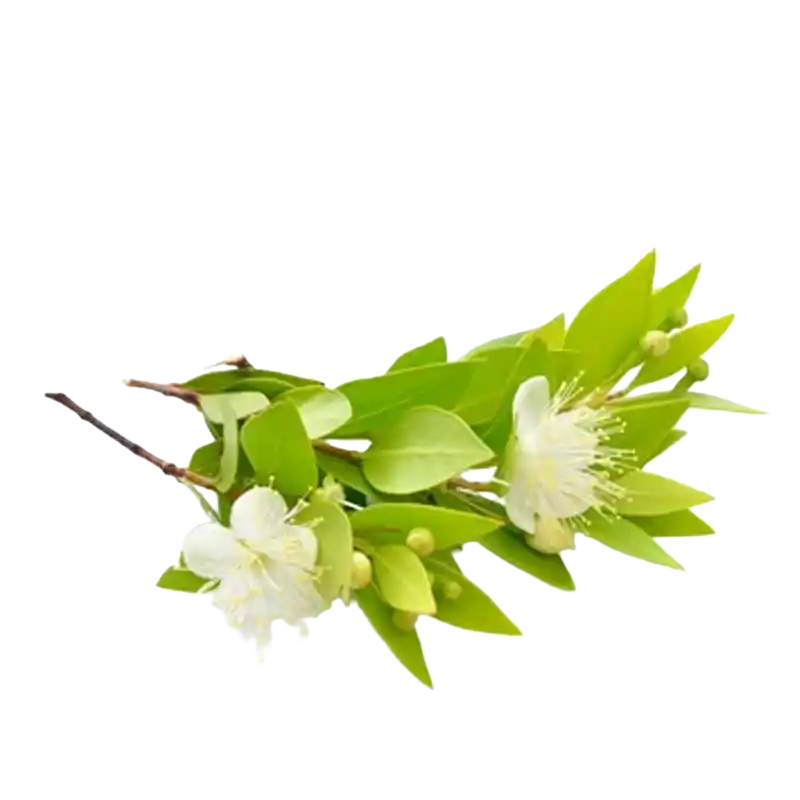
Introductionمقدّمة
Myrtus nivellei (Saharan myrtle, tefeltest) is a rare desert relative of common myrtle from the central Sahara mountains. Its leaves make an aromatic tea rich in polyphenols with antioxidant activity, used by the Tuareg for the stomach and chest.الآس الصحراوي (Myrtus nivellei، تفلتست) قريبٌ صحراويّ نادر للآس الشائع من جبال وسط الصحراء الكبرى. وتصنع أوراقه شاياً عطرياً غنياً بالبوليفينولات ذا نشاطٍ مضاد للأكسدة، يستعمله الطوارق للمعدة والصدر.
Categoryالفئة
• Rare Saharan myrtle
• Antioxidant
• Antimicrobial
• Digestive / respiratory (traditional)
• Aromatic desert tea• آسٌ صحراويّ نادر
• مضاد للأكسدة
• مضاد للميكروبات
• هاضم/تنفّسي (تقليدي)
• شايٌ صحراويّ عطريّ
Habitatالموطن
A relict evergreen shrub surviving in the high mountains of the central Sahara (Hoggar, Tassili) around water sources.شُجيرةٌ دائمة الخُضرة سليلة باقية في جبال وسط الصحراء العالية (الهقار، الطاسيلي) حول منابع الماء.
Parts usedالأجزاء المستخدمة
• Leaves
• Berries
• Essential oil• الأوراق
• الثمار
• الزيت الطيّار
Key constituentsالمكوّنات الفعّالة
• Polyphenols (galloyl derivatives)
• Flavonoids (myricetin glycosides)
• Essential oil (cineole, myrtenyl acetate)
• Norterpenoids• بوليفينولات (مشتقّات الغالويل)
• فلافونويدات (غليكوزيدات ميريسيتين)
• زيتٌ طيّار (سينيول، خلّات ميرتينيل)
• نورتربينويدات
Researchالأبحاث
Phytochemical studies of Saharan myrtle tea isolated new polyphenols and norterpenoids and confirmed notable antioxidant activity, and reviews compare its beneficial chemistry with common myrtle (Myrtus communis). It remains little studied clinically and is a botanically rare, protected plant.عزلت دراسات كيميائية لشاي الآس الصحراوي بوليفينولات ونورتربينويدات جديدة وأكّدت نشاطاً مضاداً للأكسدة ملحوظاً، وتقارن المراجعات كيميائه المفيدة بالآس الشائع (Myrtus communis). ويبقى قليل الدراسة سريرياً وهو نباتٌ نادر محميّ.
Published researchأبحاث منشورة
Traditional useالاستخدام التقليدي
Used by the Tuareg and Saharan peoples as an aromatic tea and remedy for digestive upset, coughs and colds, and as a fragrant, restorative infusion.يستعمله الطوارق وأهل الصحراء شاياً عطرياً ودواءً لاضطراب الهضم والسعال والزكام، ونقيعاً عطراً مُنعِشاً.
Current useالاستخدام الحالي
A prized regional herbal tea; of scientific interest for its polyphenols. Wild collection is limited by its rarity.شايٌ عشبيّ إقليميّ ثمين؛ ذو أهمية علمية لبوليفينولاته. والجمع البرّي محدود بندرته.
Preparationsالتحضيرات
Leaf tea, Infusion, Essential oilشاي أوراق، نقيع، زيت طيّار
Used for these conditionsيُستخدم لهذه الحالات
Adult dosageجرعة البالغين
Leaf infusion, a small handful per pot, as a tea.نقيع أوراق، حفنة صغيرة للإبريق، شاياً.
Child dosageجرعة الأطفال
Mild tea is generally acceptable for older children.الشاي الخفيف مقبولٌ عموماً للأطفال الأكبر.
Cautionتحذيرات
Generally gentle, like common myrtle. The concentrated essential oil (with cineole) should not be given internally to infants or used undiluted. As a rare, protected wild plant, prefer cultivated or sustainably-sourced leaf.لطيفٌ عموماً كالآس الشائع. والزيت الطيّار المركّز (مع السينيول) لا يُعطى داخلياً للرُّضّع ولا يُستعمل غير مخفّف. ولأنه نباتٌ برّيّ نادر محميّ، فضِّل الورق المزروع أو المُستدام.
Pregnancy & nursingالحمل والرضاعة
Mild tea occasionally is likely fine; avoid concentrated essential oil in pregnancy.شايٌ خفيف أحياناً غالباً مقبول؛ ويُتجنَّب الزيت الطيّار المركّز في الحمل.


