Introductionمقدّمة
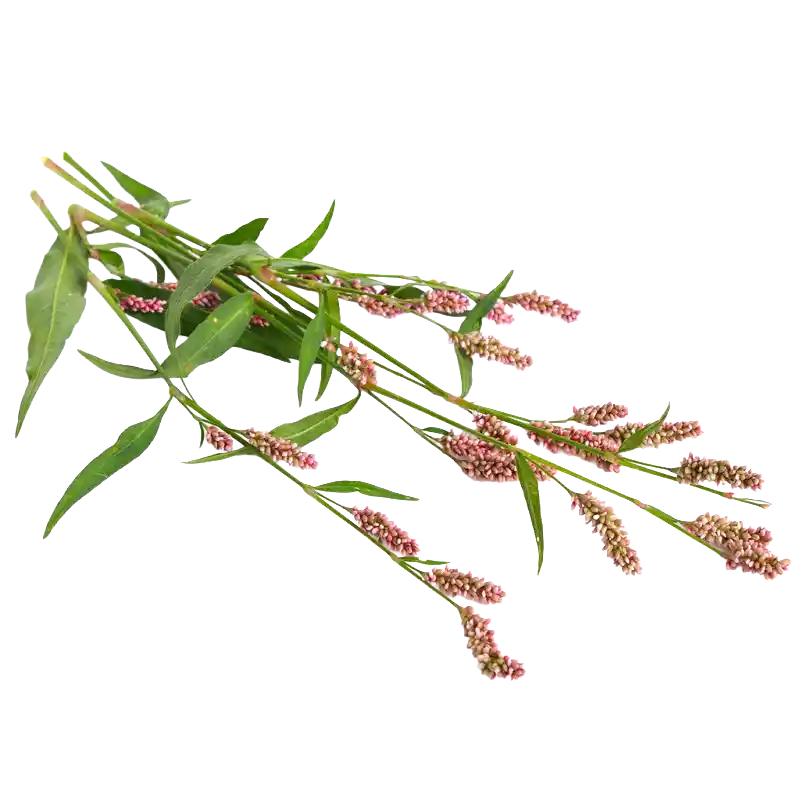
Polygonum persicaria (now Persicaria maculosa, redshank, lady's thumb) is a common knotweed with pink flower spikes and dark-marked leaves. Rich in tannins and flavonoids, it is a traditional astringent, anti-inflammatory and wound herb used for diarrhoea, bleeding, sores and inflamed joints/skin, with antioxidant and antimicrobial activity; its young leaves and seeds are edible.عقدة الدم (Polygonum persicaria، وتُسمّى اليوم Persicaria maculosa) عقدة ركبٍ شائعة بسنابل زهرٍ وردية وأوراقٍ مُعلَّمة بالداكن. وهي غنية بالتانين والفلافونويد، عشبةٌ قابضة ومضادّة للالتهاب وللجروح تقليدية تُستعمل للإسهال والنزف والقروح والمفاصل/الجلد الملتهب، بنشاطٍ مضاد للأكسدة والميكروبات؛ وأوراقها وبذورها الغضّة صالحة للأكل.
Categoryالفئة
• Knotweed-family herb (Polygonaceae)
• Astringent & antidiarrhoeal (tannins)
• Anti-inflammatory & wound remedy
• Antioxidant & antimicrobial
• Edible young leaves/seeds• عشبة من فصيلة عقد الركب (فصيلة عقد الركب)
• قابضة ومضادّة للإسهال (تانينات)
• مضادّة للالتهاب وعلاجٌ للجروح
• مضادّة للأكسدة والميكروبات
• أوراق/بذور غضّة صالحة للأكل
Habitatالموطن
An annual with jointed stems, pink flower spikes and lance-shaped leaves (often with a dark blotch), of damp fields, waysides, ditches and cultivated ground worldwide.حوليّ بسيقانٍ عقديّة وسنابل زهرٍ وردية وأوراقٍ رمحية (كثيراً ببقعةٍ داكنة)، في الحقول الرطبة وحواف الطرق والخنادق والأرض المزروعة عالمياً.
Parts usedالأجزاء المستخدمة
• Aerial parts (herb)
• Young leaves & seeds (food)• الأجزاء الهوائية (العشبة)
• الأوراق والبذور الغضّة (غذاء)
Key constituentsالمكوّنات الفعّالة
• Tannins
• Flavonoids (rutin, quercetin)
• Phenolic acids
• Essential oil (small)
• Oxalates (minor)• تانينات
• فلافونويدات (روتين، كيرسيتين)
• أحماض فينولية
• زيت طيّار (قليل)
• أوكسالات (طفيفة)
Researchالأبحاث
Polygonum/Persicaria species are documented for tannin, flavonoid (rutin/quercetin) and phenolic content with antioxidant, antimicrobial and anti-inflammatory activity, consistent with the traditional astringent, antidiarrhoeal and wound use of redshank. Evidence is preclinical; the plant is a common edible/medicinal weed of the knotweed family.أنواع البوليغونوم/البِرسيكاريا موثّقة بمحتوى تانيني وفلافونويدي (روتين/كيرسيتين) وفينولي بنشاطٍ مضاد للأكسدة والميكروبات والالتهاب، بما يوافق الاستعمال التقليدي القابض والمضاد للإسهال والعلاجي للجروح لعقدة الدم. والأدلة قبل سريرية؛ والنبتة حشيشةٌ صالحة للأكل/طبية شائعة من فصيلة عقد الركب.
Published researchأبحاث منشورة
Traditional useالاستخدام التقليدي
Used as an astringent for diarrhoea and dysentery, to stop bleeding and on wounds, sores and ulcers, as an anti-inflammatory poultice for inflamed or arthritic joints and skin, for the mouth and throat (gargle), and traditionally for 'cold' and rheumatic complaints; young leaves and seeds eaten as a wild food.تُستعمل قابضاً للإسهال والزحار ولحبس النزف وعلى الجروح والقروح والقرح ولبخةً مضادّة للالتهاب للمفاصل والجلد الملتهب أو المُصاب بالتهاب المفاصل وللفم والحلق (غرغرة) وتقليدياً للشكاوى «الباردة» والروماتزمية؛ وتُؤكَل الأوراق والبذور الغضّة غذاءً برّياً.
Current useالاستخدام الحالي
Used as an astringent/anti-inflammatory folk herb and a wild edible; studied for antioxidant and antimicrobial activity.تُستعمل عشبةً شعبية قابضة/مضادّة للالتهاب وبرّياً صالحاً للأكل؛ وتُدرَس لنشاطها المضاد للأكسدة والميكروبات.
Preparationsالتحضيرات
• Herb infusion (tea)
• Gargle/mouth rinse
• Wound wash/anti-inflammatory poultice
• Young leaves/seeds (food)• نقيع العشبة (شاي)
• غرغرة/مضمضة
• غسول للجروح/لبخة مضادّة للالتهاب
• أوراق/بذور غضّة (غذاء)
Used for these conditionsيُستخدم لهذه الحالات
Adult dosageجرعة البالغين
Herb infusion 1–2 g in hot water 2–3× daily; the same as a gargle/wash/poultice; young leaves as food; per traditional practice.نقيع العشبة 1–2 غ في ماءٍ حارّ 2–3 مرات يومياً؛ وهو نفسه غرغرةً/غسولاً/لبخة؛ الأوراق الغضّة غذاءً؛ بحسب الممارسة التقليدية.
Child dosageجرعة الأطفال
A weak tea for older children's diarrhoea; young leaves as a minor food.شايٌ خفيف لإسهال الأطفال الأكبر؛ الأوراق الغضّة غذاءً طفيفاً.
Cautionتحذيرات
A gentle astringent/edible herb. Its tannins make strong long-term internal use hard on the stomach and can reduce iron/nutrient absorption, so take it apart from meals and use short courses; it also contains some oxalates, so eat in moderation. Do not rely on it for serious or persistent bleeding — seek medical care.عشبةٌ قابضة/صالحة للأكل لطيفة. وتانيناتها تجعل الاستعمال الداخلي القوي الطويل شاقّاً على المعدة وقد تقلّل امتصاص الحديد/المغذّيات، فتُؤخذ بعيداً عن الطعام وتُستعمل دوراتٌ قصيرة؛ وتحوي بعض الأوكسالات، فتُؤكَل باعتدال. ولا يُعتمَد عليها للنزف الشديد أو المستمرّ — فيُلتمَس العلاج الطبي.
Pregnancy & nursingالحمل والرضاعة
Food amounts of the young leaf are fine; avoid concentrated medicinal doses in pregnancy without guidance.كميات الورق الغضّ الغذائية مقبولة؛ وتُتجنَّب الجُرَع الطبية المركّزة في الحمل دون إرشاد.