Introductionمقدّمة
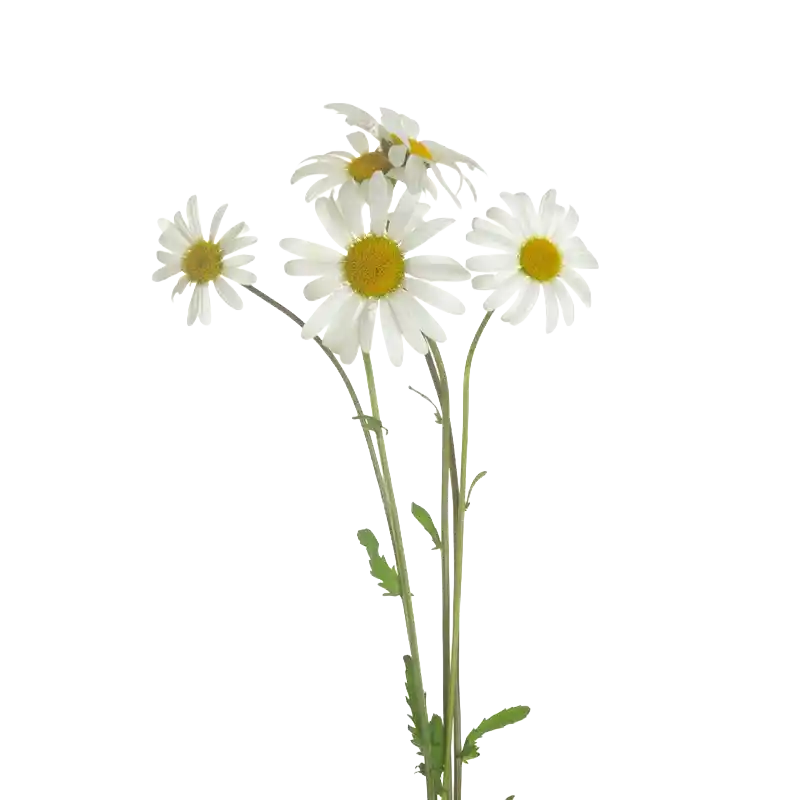
Leucanthemum vulgare (oxeye daisy, marguerite) is the classic large white-and-yellow field daisy, used in folk medicine much like chamomile: an antispasmodic and antitussive for coughs (notably whooping cough), an astringent and wound herb, and a mild digestive and 'women's' remedy, with antioxidant and anti-inflammatory activity. Its young leaves are also edible.الأقحوان الكبير (Leucanthemum vulgare، عين الثور) هو أقحوان الحقول الأبيض-الأصفر الكبير الكلاسيكي، يُستعمل في الطبّ الشعبي كالبابونج: مضاداً للتقلّص ومسكّناً للسعال (خاصةً الديكي) وقابضاً وعشبةً للجروح وعلاجاً هاضماً و«للنساء» لطيفاً، بنشاطٍ مضاد للأكسدة والالتهاب. وأوراقه الغضّة صالحة للأكل أيضاً.
Categoryالفئة
• Chamomile-like daisy herb (Asteraceae)
• Antispasmodic & antitussive (whooping cough — traditional)
• Astringent & wound remedy
• Antioxidant & anti-inflammatory
• Digestive & 'women's' folk herb• عشبة نجمية كالبابونج (الفصيلة النجمية)
• مضادّة للتقلّص ومسكّنة للسعال (السعال الديكي — تقليدي)
• قابضة وعلاجٌ للجروح
• مضادّة للأكسدة والالتهاب
• هاضمة وعشبة «نساء» شعبية
Habitatالموطن
A perennial daisy with large white-rayed, yellow-centred flowers, of meadows, grassland, banks and roadsides across Europe and naturalised widely.أقحوانٌ معمّر بأزهارٍ كبيرة بيضاء الأشعّة صفراء القلب، في المروج والمراعي والضفاف وحواف الطرق عبر أوروبا ومتوطّن واسعاً.
Parts usedالأجزاء المستخدمة
• Flowers & flowering herb
• Young leaves (food)• الأزهار والعشبة المزهرة
• الأوراق الغضّة (غذاء)
Key constituentsالمكوّنات الفعّالة
• Flavonoids
• Sesquiterpene lactones
• Essential oil
• Tannins
• Phenolic acids• فلافونويدات
• لاكتونات سسكِويتربينية
• زيت طيّار
• تانينات
• أحماض فينولية
Researchالأبحاث
Leucanthemum vulgare is documented for flavonoid, sesquiterpene-lactone and essential-oil content with antioxidant and anti-inflammatory activity, in keeping with its chamomile-like traditional use as an antispasmodic, antitussive and astringent. Its classic historic use was for whooping cough and 'asthma'. Evidence is preclinical; it is a gentle traditional herb and edible green.الأقحوان الكبير موثّقٌ بمحتوى فلافونويدي ولاكتوني سسكِويتربيني وزيتٍ طيّار بنشاطٍ مضاد للأكسدة والالتهاب، بما يوافق استعماله التقليدي كالبابونج مضاداً للتقلّص ومسكّناً للسعال وقابضاً. واستعماله التاريخي الكلاسيكي كان للسعال الديكي و«الربو». والأدلة قبل سريرية؛ وهو عشبةٌ تقليدية لطيفة وخضارٌ صالح للأكل.
Published researchأبحاث منشورة
Traditional useالاستخدام التقليدي
Flowers used like chamomile as an antispasmodic and antitussive tea for whooping cough, spasmodic cough, bronchitis and 'asthma', as a bitter digestive, an astringent for diarrhoea, a gargle for sore throat and mouth, a wash and poultice for wounds, bruises and skin, and traditionally to promote menstruation; young leaves eaten as a salad/pot-herb.تُستعمل الأزهار كالبابونج شاياً مضاداً للتقلّص ومسكّناً للسعال للسعال الديكي والتشنّجي والتهاب القصبات و«الربو» ومُرّاً هاضماً وقابضاً للإسهال وغرغرةً لالتهاب الحلق والفم وغسولاً ولبخةً للجروح والكدمات والجلد وتقليدياً لإدرار الطمث؛ وتُؤكَل الأوراق الغضّة سلطةً/بقلةً.
Current useالاستخدام الحالي
Used as a chamomile-like cough/antispasmodic and astringent folk herb and an edible green; studied for antioxidant and anti-inflammatory activity.يُستعمل عشبةً شعبية كالبابونج للسعال/مضادّة للتقلّص وقابضة وخضاراً صالحاً للأكل؛ ويُدرَس لنشاطه المضاد للأكسدة والالتهاب.
Preparationsالتحضيرات
• Flower/herb infusion (cough/digestive)
• Gargle/mouth rinse
• Wound wash/poultice
• Young leaves (salad/pot-herb)• نقيع الأزهار/العشبة (للسعال/الهضم)
• غرغرة/مضمضة
• غسول/لبخة للجروح
• أوراق غضّة (سلطة/بقلة)
Used for these conditionsيُستخدم لهذه الحالات
Adult dosageجرعة البالغين
Flower/herb infusion 1–2 g in hot water 2–3× daily; the same as a gargle/wash; young leaves as food; per traditional practice.نقيع الأزهار/العشبة 1–2 غ في ماءٍ حارّ 2–3 مرات يومياً؛ وهو نفسه غرغرةً/غسولاً؛ الأوراق الغضّة غذاءً؛ بحسب الممارسة التقليدية.
Child dosageجرعة الأطفال
A weak tea traditionally for children's spasmodic cough; leaf is a safe food.شايٌ خفيف تقليدياً لسعال الأطفال التشنّجي؛ والورق غذاءٌ آمن.
Cautionتحذيرات
A gentle chamomile-like herb. As an Asteraceae plant it may cause allergy in daisy/ragweed/chamomile-sensitive people (and can cause contact dermatitis in some), so patch-test topical use. Avoid concentrated doses in pregnancy. Do not rely on it as the sole treatment for whooping cough — a serious infection needing medical care.عشبةٌ لطيفة كالبابونج. وكنبتةٍ نجمية قد تسبّب حساسيةً عند حسّاسي البابونج/الرَّجيد (وقد تسبّب التهاب جلدٍ تلامسياً عند بعضهم)، فيُختبَر الاستعمال الموضعي على رقعة. وتُتجنَّب الجُرَع المركّزة في الحمل. ولا يُعتمَد عليه علاجاً وحيداً للسعال الديكي — فهو عدوى خطيرة تحتاج رعايةً طبية.
Pregnancy & nursingالحمل والرضاعة
Avoid concentrated medicinal doses in pregnancy — traditionally emmenagogue; leaf/salad amounts are fine.تُتجنَّب الجُرَع الطبية المركّزة في الحمل — مُدرّ للطمث تقليدياً؛ وكميات الورق/السلطة مقبولة.