Introductionمقدّمة
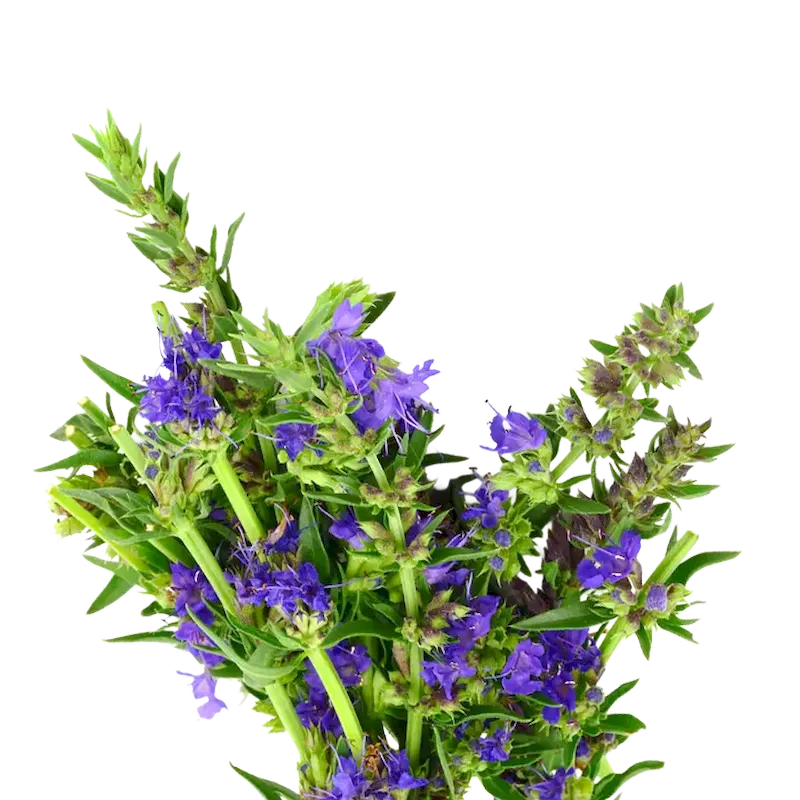
Hyssop, scientifically known as Hyssopus officinalis, is a perennial herb native to the Mediterranean region. It is well-regarded for its aromatic leaves and potential medicinal properties. Hyssop has a history of use in traditional medicine and culinary applications.الزوفا، واسمها العلمي Hyssopus officinalis، عشبة معمرة موطنها الأصلي منطقة البحر الأبيض المتوسط. تشتهر بأوراقها العطرية وخصائصها الطبية المحتملة. وللزوفا تاريخ طويل من الاستخدام في الطب التقليدي والطهي.
Categoryالفئة
• Potential expectorant
• Potential antimicrobial
• Traditional use for respiratory health• مُقشّع محتمل
• مضاد للميكروبات محتمل
• استخدام تقليدي لصحة الجهاز التنفسي
Habitatالموطن
Hyssop is typically found in rocky or dry habitats in the Mediterranean region but has been cultivated in various parts of the world. It is valued for its aromatic leaves and is grown for both culinary and medicinal purposes. The plant contains essential oils, including pinocamphone and others. ينمو نبات الزوفا عادةً في البيئات الصخرية أو الجافة في منطقة البحر الأبيض المتوسط، ولكنه يُزرع في مناطق مختلفة من العالم. ويُقدّر لأوراقه العطرية، ويُزرع لأغراض الطهي والعلاج. يحتوي النبات على زيوت عطرية، منها زيت البينوكامفون وغيره.
Parts usedالأجزاء المستخدمة
• Leaves
• Flowering tops• الأوراق
• قمم الأزهار
Key constituentsالمكوّنات الفعّالة
• Essential oils (0.3-1%, pinocamphone, isopinocamphone, β-pinene, limonene)
• Flavonoids (diosmin, hesperidin)
• Phenolic acids (rosmarinic acid, caffeic acid)
• Triterpenes (ursolic acid, oleanolic acid)
• Tannins
• Bitter principles (marrubiin)
• Glycosides
• Resin• زيوت عطرية (0.3-1%، بينوكامفون، إيزوبينوكامفون، بيتا-بينين، ليمونين)
• فلافونويدات (ديوسمين، هيسبيريدين)
• أحماض فينولية (حمض الروزمارينيك، حمض الكافيين)
• ترايتيربينات (حمض الأورسوليك، حمض الأوليانوليك)
• تانينات
• مواد مُرّة (ماروبيين)
• جليكوسيدات
• راتنج
Researchالأبحاث
Research on Hyssop has focused on its chemical constituents, including essential oils like pinocamphone, and its potential expectorant and antimicrobial effects. It has a history of traditional use for respiratory health and has been studied for its respiratory benefits.ركزت الأبحاث على نبات الزوفا على مكوناته الكيميائية، بما في ذلك الزيوت العطرية مثل البينوكامفون، وتأثيراته المحتملة كمقشع ومضاد للميكروبات. وله تاريخ طويل من الاستخدام التقليدي لصحة الجهاز التنفسي، وقد دُرست فوائده التنفسية.
Traditional useالاستخدام التقليدي
Hyssop has a rich history of use in traditional medicine, where it is employed for various health conditions, particularly respiratory issues. It is also used in culinary preparations to flavor dishes and beverages. The leaves and flowering tops are the primary parts used. للزوفا تاريخ عريق في الطب التقليدي، حيث تُستخدم لعلاج العديد من الحالات الصحية، وخاصة مشاكل الجهاز التنفسي. كما تُستخدم في الطهي لإضفاء نكهة مميزة على الأطباق والمشروبات. وتُعدّ الأوراق والأزهار الأجزاء الرئيسية المستخدمة.
Current useالاستخدام الحالي
The leaves and flowering tops of Hyssop are the primary parts used for their potential medicinal and culinary properties. They can be prepared as herbal infusions, tinctures, or used as a flavoring agent in culinary applications. تُعدّ أوراق وأزهار نبات الزوفا الأجزاء الرئيسية المستخدمة لما لها من خصائص طبية وغذائية محتملة. ويمكن تحضيرها على شكل مشروبات عشبية أو صبغات، أو استخدامها كعامل منكه في الطهي.
Preparationsالتحضيرات
Culinary, Infusion, Tinctureخلاصة سائلة, طهي, منقوع
Used for these conditionsيُستخدم لهذه الحالات
Adult dosageجرعة البالغين
Dosage recommendations for Hyssop may vary based on the specific product or remedy. It is typically used in appropriate quantities for the intended purpose, such as in herbal infusions or tinctures. Consult with a qualified herbalist or healthcare provider for guidance on therapeutic dosages. قد تختلف توصيات جرعات الزوفا باختلاف المنتج أو العلاج المستخدم. وعادةً ما تُستخدم بكميات مناسبة للغرض المقصود، كما في المشروبات العشبية أو الصبغات. استشر أخصائي أعشاب مؤهلاً أو مقدم رعاية صحية للحصول على إرشادات حول الجرعات العلاجية.
Child dosageجرعة الأطفال
Dosage recommendations for Hyssop may vary depending on the specific product or remedy. It is typically used in appropriate quantities for the intended purpose, such as in herbal infusions or tinctures. Consult with a qualified herbalist or healthcare provider for guidance on dosages and usage.قد تختلف توصيات جرعات الزوفا باختلاف المنتج أو العلاج المحدد. وعادةً ما تُستخدم بكميات مناسبة للغرض المقصود، كما هو الحال في المشروبات العشبية أو الصبغات. استشر أخصائي أعشاب مؤهلاً أو مقدم رعاية صحية للحصول على إرشادات حول الجرعات وطريقة الاستخدام.
Cautionتحذيرات
Hyssop leaf infusions are generally safe in moderate culinary/traditional amounts. However, hyssop ESSENTIAL OIL is neurotoxic due to the ketones pinocamphone and isopinocamphone and can trigger convulsions; do not ingest the essential oil. Avoid hyssop (especially the oil) in epilepsy or seizure disorders, in young children, and in pregnancy/breastfeeding. Those allergic to Lamiaceae plants should use caution.منقوع أوراق الزوفا آمن عموماً بكميات معتدلة في الطهي أو الاستخدام التقليدي. لكن زيت الزوفا العطري سام للأعصاب بسبب كيتونَي البينوكامفون والإيزوبينوكامفون وقد يُحدث تشنجات؛ لا يُبتلع الزيت العطري. يُتجنّب استخدام الزوفا (وخاصة زيتها) في حالات الصرع أو اضطرابات التشنج، وعند الأطفال الصغار، وأثناء الحمل والرضاعة. وعلى من لديهم حساسية لنباتات الفصيلة الشفوية توخي الحذر.
Pregnancy & nursingالحمل والرضاعة
Avoid during Pregnancy/Nursingيمنع أثناء الحمل والرضاعة