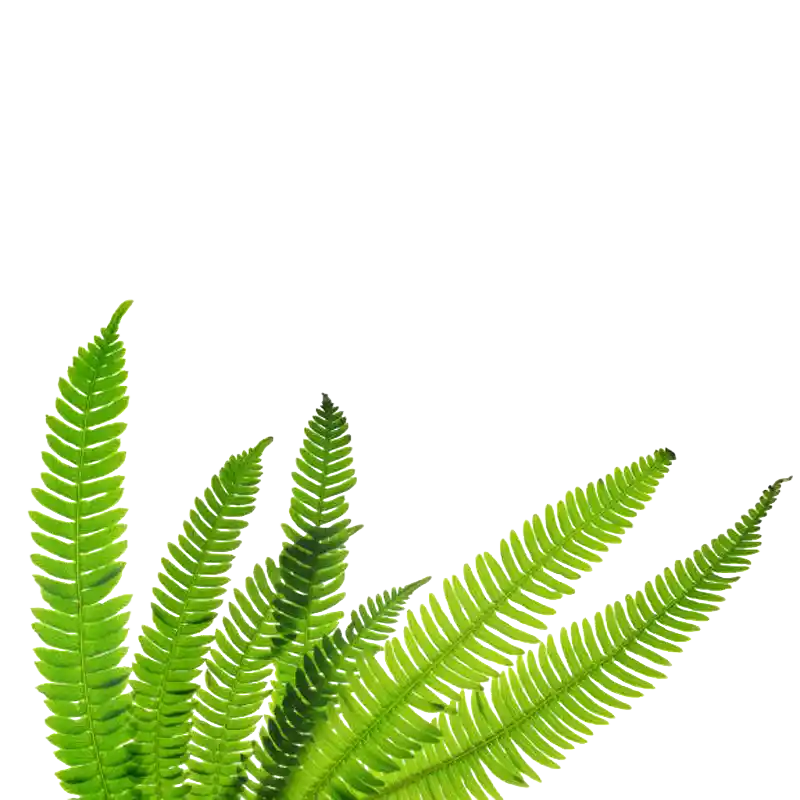
Introductionمقدّمة
Blechnum spicant (hard fern, deer fern) is an evergreen woodland fern with a limited history in folk medicine, used externally as a poultice for sores and internally in small traditional amounts for the chest and stomach. It is little studied and used only marginally.السرخس الصلب (Blechnum spicant) سرخسٌ غابيّ دائم الخُضرة بتاريخٍ محدود في الطبّ الشعبي، استُعمل خارجياً لبخةً للقروح وداخلياً بكميات تقليدية صغيرة للصدر والمعدة. وهو قليل الدراسة ويُستعمل هامشياً فقط.
Categoryالفئة
• Woodland fern
• Traditional external / poultice use
• Astringent (traditional)
• Antioxidant (genus)
• Minor folk medicine• سرخس غابات
• استعمالٌ خارجي/لبخة تقليدي
• قابض (تقليدي)
• مضاد للأكسدة (الجنس)
• طبٌّ شعبيٌّ ثانوي
Habitatالموطن
An evergreen fern of acid, shady woodland, moors and stream banks in Europe, North Africa and western North America.سرخسٌ دائم الخُضرة في غابات حمضية ظليلة والمستنقعات وضفاف الجداول في أوروبا وشمال إفريقيا وغرب أمريكا الشمالية.
Parts usedالأجزاء المستخدمة
• Fronds (leaves)
• Rhizome• السَّعَفات (الأوراق)
• الجذمور
Key constituentsالمكوّنات الفعّالة
• Flavonoids
• Phenolic compounds
• Tannins
• Ecdysteroids (fern genus)• فلافونويدات
• مركّبات فينولية
• عفص
• إكديستيرويدات (جنس السرخس)
Researchالأبحاث
There is little species-specific research on Blechnum spicant. A review of the genus Blechnum documents flavonoid and phenolic constituents with antioxidant and anti-inflammatory activity across related ferns, but robust clinical or pharmacological data for hard fern itself are lacking; its use is chiefly ethnobotanical.يقلّ البحث الخاصّ بالنوع في السرخس الصلب. وتوثّق مراجعةٌ لجنس Blechnum مكوّناتٍ فلافونويدية وفينولية ذات نشاطٍ مضاد للأكسدة والالتهاب عبر السراخس القريبة، لكن تنقص بياناتٌ سريرية أو دوائية متينة للسرخس الصلب نفسه؛ واستعماله إثنوبوتانيّ أساساً.
Published researchأبحاث منشورة
Traditional useالاستخدام التقليدي
Used in European and Native-American folk practice as an external poultice for sores, boils and skin, a chewed remedy for stomach and chest complaints, and an astringent; a minor traditional herb.يُستعمل في الممارسة الشعبية الأوروبية والأمريكية الأصلية لبخةً خارجية للقروح والدمامل والجلد، ومضغاً لشكاوى المعدة والصدر، وقابضاً؛ وهو عشبةٌ تقليدية ثانوية.
Current useالاستخدام الحالي
Very limited current use; mainly an ornamental woodland fern with historical folk applications.استعمالٌ حاليّ محدود جداً؛ وهو أساساً سرخس زينة غابيّ ذو تطبيقاتٍ شعبية تاريخية.
Preparationsالتحضيرات
Poultice (external), Traditional decoction (small)لبخة (خارجية)، مغليّ تقليدي (صغير)
Used for these conditionsيُستخدم لهذه الحالات
Adult dosageجرعة البالغين
No established dose — external poultice or small traditional amounts only.لا جرعة محدّدة — لبخة خارجية أو كميات تقليدية صغيرة فقط.
Child dosageجرعة الأطفال
Not recommended internally for children.لا يُنصَح به داخلياً للأطفال.
Cautionتحذيرات
Little is known about its safety, so internal use should be minimal and cautious — some ferns contain compounds (e.g. thiaminase or others) that are unwise in quantity. Prefer external use, correctly identify the fern, and do not eat large amounts of any wild fern.يقلّ ما يُعرَف عن أمانه، فينبغي أن يكون الاستعمال الداخلي أدنى وحذراً — فبعض السراخس تحوي مركّباتٍ (كالثياميناز أو غيرها) غير حكيمة بكمّية. فضِّل الاستعمال الخارجي، وتعرّف على السرخس بدقّة، ولا تأكل كميات كبيرة من أيّ سرخسٍ برّيّ.
Pregnancy & nursingالحمل والرضاعة
Avoid internal use in pregnancy — insufficient safety data.يُتجنَّب الاستعمال الداخلي في الحمل — بياناتٌ أمانية غير كافية.