Introductionمقدّمة
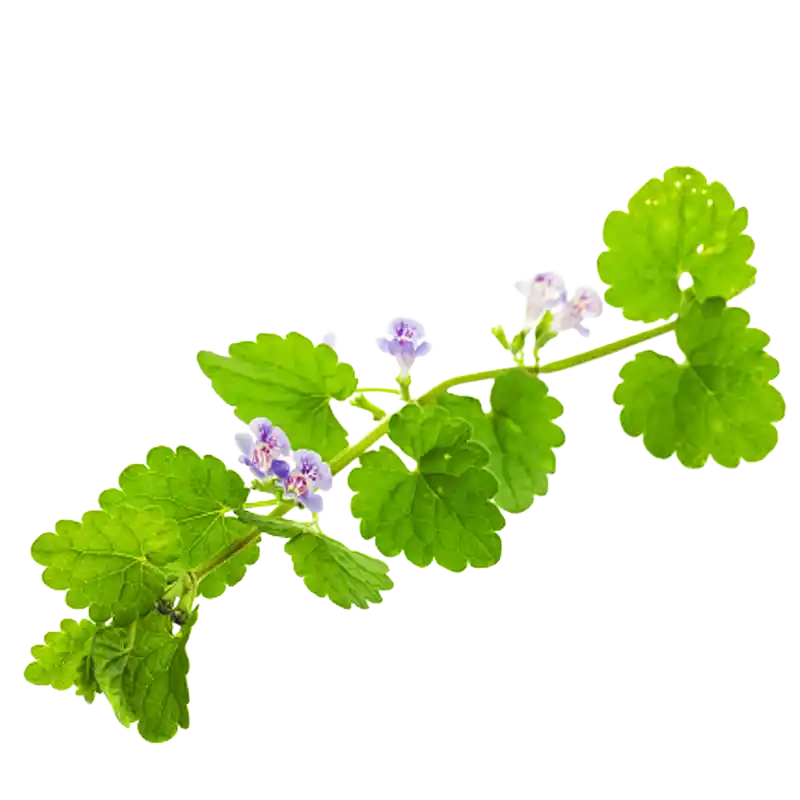
Nepeta glechoma (now Glechoma hederacea, ground ivy, 'alehoof', 'gill-over-the-ground') is a creeping aromatic mint-family herb. A classic old European remedy, it is used as an expectorant and anti-catarrhal for the sinuses, chest and ears (blocked sinuses, catarrh, tinnitus), an astringent and digestive, and it was historically used to clear and flavour ale before hops.حَشيشة الأرض اللبلابية (Nepeta glechoma، وتُسمّى اليوم Glechoma hederacea) عشبةٌ زاحفة عطرية من الفصيلة الشفوية. علاجٌ أوروبي قديم كلاسيكي، تُستعمل طاردةً للبلغم ومضادّةً للنزلة للجيوب والصدر والآذان (انسداد الجيوب والنزلة وطنين الأذن) وقابضةً وهاضمة، واستُعملت تاريخياً لتصفية الجِعة وتطييبها قبل الجَنجَل.
Categoryالفئة
• Aromatic mint-family herb (Lamiaceae)
• Expectorant & anti-catarrhal (sinus, chest, ears)
• Astringent & digestive
• Antioxidant & anti-inflammatory
• Historic 'gill tea' & ale herb• عشبة عطرية من الفصيلة الشفوية
• طاردة للبلغم ومضادّة للنزلة (جيوب، صدر، آذان)
• قابضة وهاضمة
• مضادّة للأكسدة والالتهاب
• «شاي الجِل» وعشبة الجِعة التاريخية
Habitatالموطن
A low creeping perennial with kidney-shaped leaves and small violet flowers, of woodland, hedgerows, grassland and gardens across Europe and western Asia.عشبةٌ معمّرة منخفضة زاحفة بأوراقٍ كلوية وأزهارٍ بنفسجية صغيرة، في الغابات والأسيجة والمروج والحدائق عبر أوروبا وغرب آسيا.
Parts usedالأجزاء المستخدمة
• Flowering herb (aerial parts)• العشبة المزهرة (الأجزاء الهوائية)
Key constituentsالمكوّنات الفعّالة
• Essential oil (pulegone, others)
• Rosmarinic acid & phenolics
• Flavonoids (rutin)
• Triterpenes (ursolic acid)
• Tannins• زيت طيّار (بوليجون وغيره)
• حمض الروزمارينيك وفينولات
• فلافونويدات (روتين)
• تريتربينات (حمض الأورسوليك)
• تانينات
Researchالأبحاث
Glechoma hederacea is documented for rosmarinic acid, flavonoids and triterpenes with antioxidant, anti-inflammatory and antimicrobial activity, consistent with its traditional expectorant, anti-catarrhal and astringent use. Its essential oil contains pulegone, so the concentrated oil should be used cautiously. Evidence is preclinical; it is a well-established traditional 'catarrh and chest' herb.حَشيشة الأرض موثّقة بحمض الروزمارينيك والفلافونويدات والتريتربينات بنشاطٍ مضاد للأكسدة والالتهاب والميكروبات، بما يوافق استعمالها التقليدي الطارد للبلغم والمضاد للنزلة والقابض. وزيتها الطيّار يحوي بوليجون، فيُستعمَل الزيت المركّز بحذر. والأدلة قبل سريرية؛ وهي عشبة «نزلةٍ وصدر» تقليدية ثابتة.
Published researchأبحاث منشورة
Traditional useالاستخدام التقليدي
A classic remedy for blocked sinuses and catarrh, coughs, bronchitis and chest congestion, for ear problems and tinnitus (a snuff or drops in old practice), as an astringent and digestive for diarrhoea and 'weak' digestion, for the kidneys/urinary tract, on wounds and inflamed skin, and historically to clarify and flavour ale ('gill tea').علاجٌ كلاسيكي لانسداد الجيوب والنزلة والسعال والتهاب القصبات واحتقان الصدر ولمشكلات الأذن والطنين (سَعوطاً أو قطرات في الطبّ القديم) وقابضاً وهاضماً للإسهال والهضم «الضعيف» وللكلى/المسالك البولية وعلى الجروح والجلد الملتهب وتاريخياً لتصفية الجِعة وتطييبها («شاي الجِل»).
Current useالاستخدام الحالي
Used as an expectorant/anti-catarrhal and astringent folk herb (sinus, chest, ears); studied for antioxidant and anti-inflammatory activity.تُستعمل عشبةً شعبية طاردة للبلغم/مضادّة للنزلة وقابضة (الجيوب، الصدر، الآذان)؛ وتُدرَس لنشاطها المضاد للأكسدة والالتهاب.
Preparationsالتحضيرات
• Herb infusion (catarrh/chest tea)
• Gargle/mouth rinse
• Wound/skin wash
• Historic ale herb ('gill tea')• نقيع العشبة (شاي للنزلة/الصدر)
• غرغرة/مضمضة
• غسول للجروح/الجلد
• عشبة جِعةٍ تاريخية («شاي الجِل»)
Used for these conditionsيُستخدم لهذه الحالات
Adult dosageجرعة البالغين
Herb infusion 1–2 g in hot water 2–3× daily; the same as a gargle/wash; per traditional practice.نقيع العشبة 1–2 غ في ماءٍ حارّ 2–3 مرات يومياً؛ وهو نفسه غرغرةً/غسولاً؛ بحسب الممارسة التقليدية.
Child dosageجرعة الأطفال
A weak tea may be used for older children's catarrh/cough; avoid concentrated oil.قد يُستعمل شايٌ خفيف لنزلة/سعال الأطفال الأكبر؛ ويُتجنَّب الزيت المركّز.
Cautionتحذيرات
A gentle herb as a tea, but its essential oil contains pulegone (liver-toxic and uterine-active in high doses), so avoid the concentrated oil and avoid it altogether in pregnancy. Large or prolonged doses are not advised, and those with epilepsy or kidney disease should use caution. As a mint-family plant, Lamiaceae-allergic people should take care.عشبةٌ لطيفة شاياً، لكنّ زيتها الطيّار يحوي بوليجون (سامّ للكبد ومنشّط للرحم بجُرَعٍ عالية)، فيُتجنَّب الزيت المركّز وتُتجنَّب كلّياً في الحمل. ولا يُنصَح بالجُرَع الكبيرة أو الطويلة، وعلى ذوي الصرع أو مرض الكلى الحذر. وكنبتةٍ شفوية، على حسّاسي الفصيلة الشفوية الحذر.
Pregnancy & nursingالحمل والرضاعة
Avoid in pregnancy — its pulegone-containing oil is uterine-active and it is traditionally cautioned; not established as safe.يُتجنَّب في الحمل — زيتها الحاوي للبوليجون منشّط للرحم وتُحذَّر تقليدياً؛ وغير مثبتة الأمان.