Introductionمقدّمة
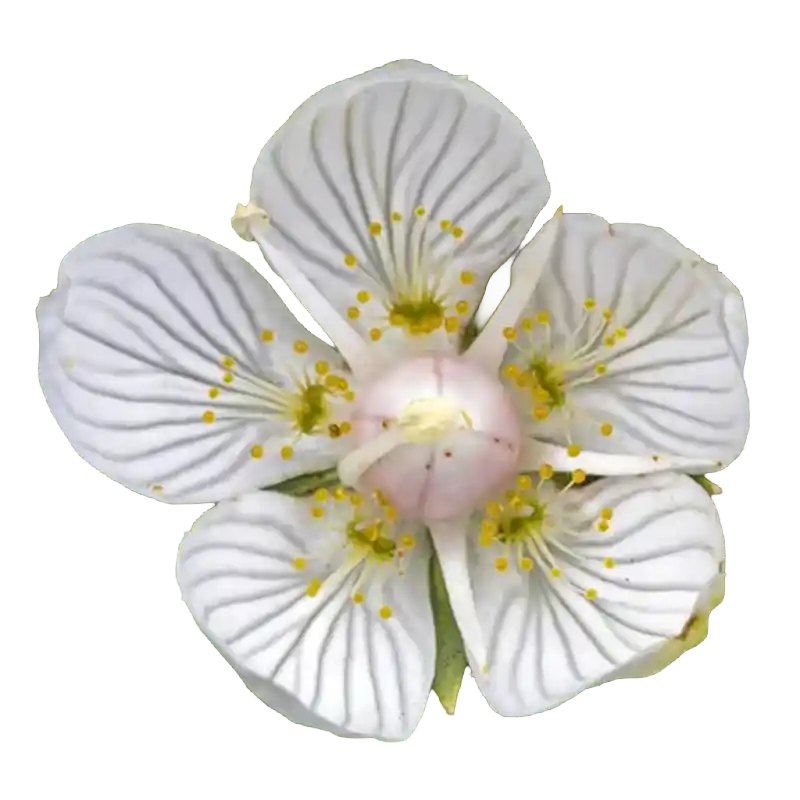
Parnassia palustris (grass of Parnassus) is a delicate white bog flower used in old herbals as an astringent and digestive tonic and for the liver and 'nerves'. Modern phytochemical work shows antioxidant flavonoids, but it is little studied clinically.عشبة بارناسوس (Parnassia palustris) زهرة مستنقعاتٍ بيضاء رقيقة استُعملت في الأعشاب القديمة قابضاً ومقوّياً هاضماً وللكبد و«الأعصاب». ويُظهِر العمل الكيميائي الحديث فلافونويدات مضادة للأكسدة، لكنها قليلة الدراسة سريرياً.
Categoryالفئة
• Bog wildflower
• Astringent / digestive (traditional)
• Antioxidant
• Liver & 'nerve' herb (folk)
• Little studied• زهرة مستنقعاتٍ برّية
• قابض/هاضم (تقليدي)
• مضاد للأكسدة
• عشبة كبدٍ و«أعصاب» (شعبي)
• قليلة الدراسة
Habitatالموطن
A small perennial with solitary white, green-veined flowers, on wet bogs, fens and marshy grassland across Europe, Asia and North America.نبتةٌ مُعمّرة صغيرة بأزهارٍ بيضاء مفردة مُعرَّقة بالأخضر، في المستنقعات والأراضي الرطبة عبر أوروبا وآسيا وأمريكا الشمالية.
Parts usedالأجزاء المستخدمة
• Aerial parts (flowering herb)• الأجزاء الهوائية (العشبة المزهرة)
Key constituentsالمكوّنات الفعّالة
• Flavonoids
• Tannins
• Phenolic acids
• Triterpenes• فلافونويدات
• عفص
• أحماض فينولية
• تريتربينات
Researchالأبحاث
A phytochemical review of Parnassia palustris documents antioxidant flavonoids and other phenolics with bioactivity, supporting its traditional astringent and tonic uses. However, dedicated pharmacological and clinical studies are scarce, so its use rests mainly on tradition and its documented antioxidant chemistry.توثّق مراجعةٌ كيميائية لعشبة بارناسوس فلافونويدات مضادة للأكسدة وفينولاتٍ أخرى ذات فاعلية، بما يدعم استعمالاتها القابضة والمقوّية التقليدية. لكن الدراسات الدوائية والسريرية المخصّصة نادرة، فيقوم استعمالها على التقليد وكيميائها المضادة للأكسدة الموثّقة أساساً.
Published researchأبحاث منشورة
Traditional useالاستخدام التقليدي
Used in old European herbals as an astringent for diarrhoea and bleeding, a digestive and liver tonic, a diuretic, a 'nerve' and eye remedy, and a wash for wounds.تُستعمل في الأعشاب الأوروبية القديمة قابضاً للإسهال والنزف، ومقوّياً هاضماً وكبدياً، ومُدرّاً، ودواءً «للأعصاب» والعينين، وغسولاً للجروح.
Current useالاستخدام الحالي
Rarely used today; of mainly historical and botanical interest.نادرة الاستعمال اليوم؛ ذات أهمية تاريخية ونباتية أساساً.
Preparationsالتحضيرات
Dried-herb infusion, Washنقيع عشبة مجفّفة، غسول
Used for these conditionsيُستخدم لهذه الحالات
Adult dosageجرعة البالغين
Infusion of the dried herb in small traditional amounts.نقيع العشبة المجفّفة بكميات تقليدية صغيرة.
Child dosageجرعة الأطفال
Not recommended medicinally for children.لا يُنصَح به دوائياً للأطفال.
Cautionتحذيرات
Little modern safety data exist, so use only modest traditional amounts. It is a plant of unspoilt wetlands and is scarce or protected in many areas — avoid wild collection for conservation reasons. Best regarded as a historical remedy.تقلّ بيانات الأمان الحديثة، فاستعمِل كميات تقليدية معتدلة فقط. وهي نبتة أراضٍ رطبة نقية نادرة أو محمية في كثيرٍ من المناطق — تجنّب الجمع البرّي لأسباب المحافظة. والأفضل عدّها علاجاً تاريخياً.
Pregnancy & nursingالحمل والرضاعة
Little data — avoid medicinal use in pregnancy.بياناتٌ قليلة — يُتجنَّب الاستعمال الدوائي في الحمل.