Introductionمقدّمة
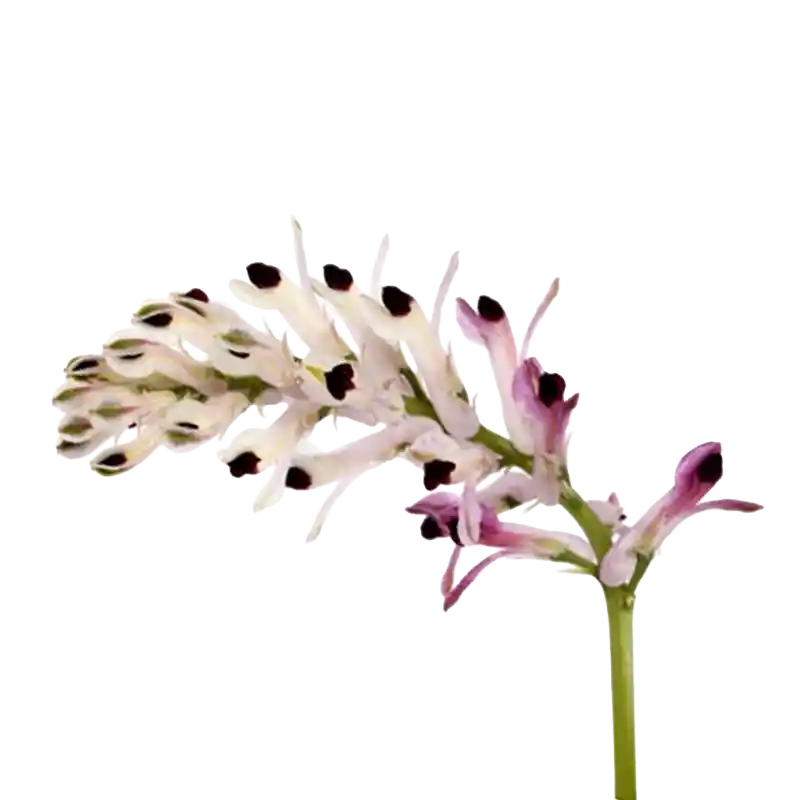
Fumaria parviflora (fine-leaved fumitory, shahtaraj) is a delicate annual long used in Unani and folk medicine as a blood and liver 'purifier' and for itchy skin conditions. Studies report hepatoprotective and antioxidant activity.الشاهترج (Fumaria parviflora، بقلة الملك) نبتةٌ حولية رقيقة استُعملت طويلاً في الطبّ اليوناني والشعبي «مُنقّياً» للدم والكبد ولأمراض الجلد الحاكّة. وتذكر الدراسات نشاطاً واقياً للكبد ومضاداً للأكسدة.
Categoryالفئة
• Blood & liver 'cleansing' herb
• Hepatoprotective (preclinical)
• Anti-itch / skin remedy
• Mild laxative / diuretic
• Antioxidant• عشبة «تنقية» الدم والكبد
• واقٍ للكبد (أوّلي)
• مضاد للحكّة/علاج جلدي
• مليّن/مُدرّ خفيف
• مضاد للأكسدة
Habitatالموطن
A weak-stemmed annual with feathery leaves and tiny pinkish flowers, common in fields and gardens across the Middle East and South Asia.نبتةٌ حولية ضعيفة الساق بأوراقٍ ريشية وأزهارٍ ورديّة صغيرة، شائعة في الحقول والحدائق عبر الشرق الأوسط وجنوب آسيا.
Parts usedالأجزاء المستخدمة
• Aerial parts (whole herb)• الأجزاء الهوائية (العشبة كاملة)
Key constituentsالمكوّنات الفعّالة
• Isoquinoline alkaloids (protopine, fumaric-type)
• Fumaric acid
• Flavonoids
• Phenolic acids• قلويدات آيزوكينولينية (بروتوبين، من نوع الفيوماريك)
• حمض الفيوماريك
• فلافونويدات
• أحماض فينولية
Researchالأبحاث
Animal studies show Fumaria parviflora and related species protect the liver against chemical injury (e.g. paracetamol) and have antioxidant activity, while alkaloids such as protopine help regulate bile flow — consistent with the traditional 'liver and blood' and skin uses. Human evidence is limited.تُظهِر دراسات الحيوان أن الشاهترج والأنواع القريبة تحمي الكبد من الأذى الكيميائي (كالباراسيتامول) ولها نشاطٌ مضاد للأكسدة، بينما تُنظّم قلويدات كالبروتوبين تدفّق الصفراء — بما يتّسق مع استعمالات «الكبد والدم» والجلد التقليدية. والأدلة البشرية محدودة.
Published researchأبحاث منشورة
Traditional useالاستخدام التقليدي
A classic Unani 'blood purifier' for skin eruptions, eczema and itching, and a bitter tonic for the liver and digestion; also used mildly to open the bowels.«مُنقّي دمٍ» يونانيّ كلاسيكي لطفح الجلد والأكزيما والحكّة، ومقوٍّ مُرّ للكبد والهضم؛ ويُستعمل خفيفاً لإطلاق الأمعاء.
Current useالاستخدام الحالي
Used in herbal 'blood-purifier' teas and skin formulas and in Unani liver tonics.يُستعمل في شاي «تنقية الدم» العشبي وتركيبات الجلد وفي مقوّيات الكبد اليونانية.
Preparationsالتحضيرات
Infusion, Tincture, Skin washنقيع، صبغة، غسول جلدي
Used for these conditionsيُستخدم لهذه الحالات
Adult dosageجرعة البالغين
Infusion of 2–4 g dried herb, up to 3 times daily; or per practitioner.نقيع 2–4 غ عشبة مجفّفة، حتى 3 مرات يومياً؛ أو بحسب المختصّ.
Child dosageجرعة الأطفال
Only under professional guidance.فقط بإشراف مختصّ.
Cautionتحذيرات
Generally low-risk in traditional amounts but contains active alkaloids, so avoid high or prolonged dosing. Its mild diuretic and blood-pressure-lowering effect can add to related medicines. People with gallstones or bile-duct blockage should avoid it.منخفض الخطورة بالكميات التقليدية عموماً لكنه يحوي قلويدات فعّالة، فتجنّب الجرعات العالية أو المطوّلة. وقد يُضاف أثره المُدرّ والخافض للضغط الخفيف إلى الأدوية المماثلة. وعلى أصحاب حصى المرارة أو انسداد القناة الصفراوية تجنّبه.
Pregnancy & nursingالحمل والرضاعة
Avoid in pregnancy — the alkaloids affect bile/uterine tone and it is a traditional emmenagogue.يُتجنَّب في الحمل — تؤثّر القلويدات في الصفراء/توتّر الرحم وهو مُدِرٌّ للطمث تقليدياً.